
Last updated November 16, 2026
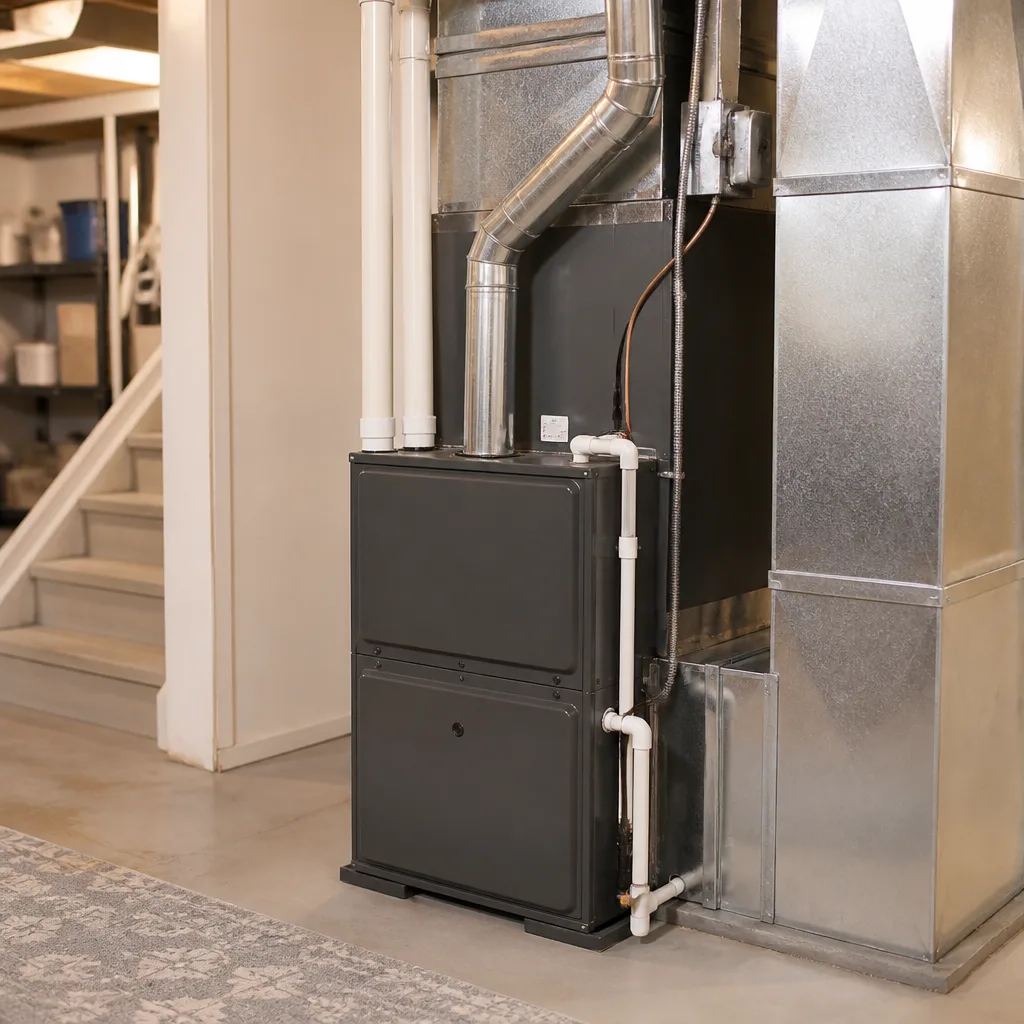 Furnace & heating
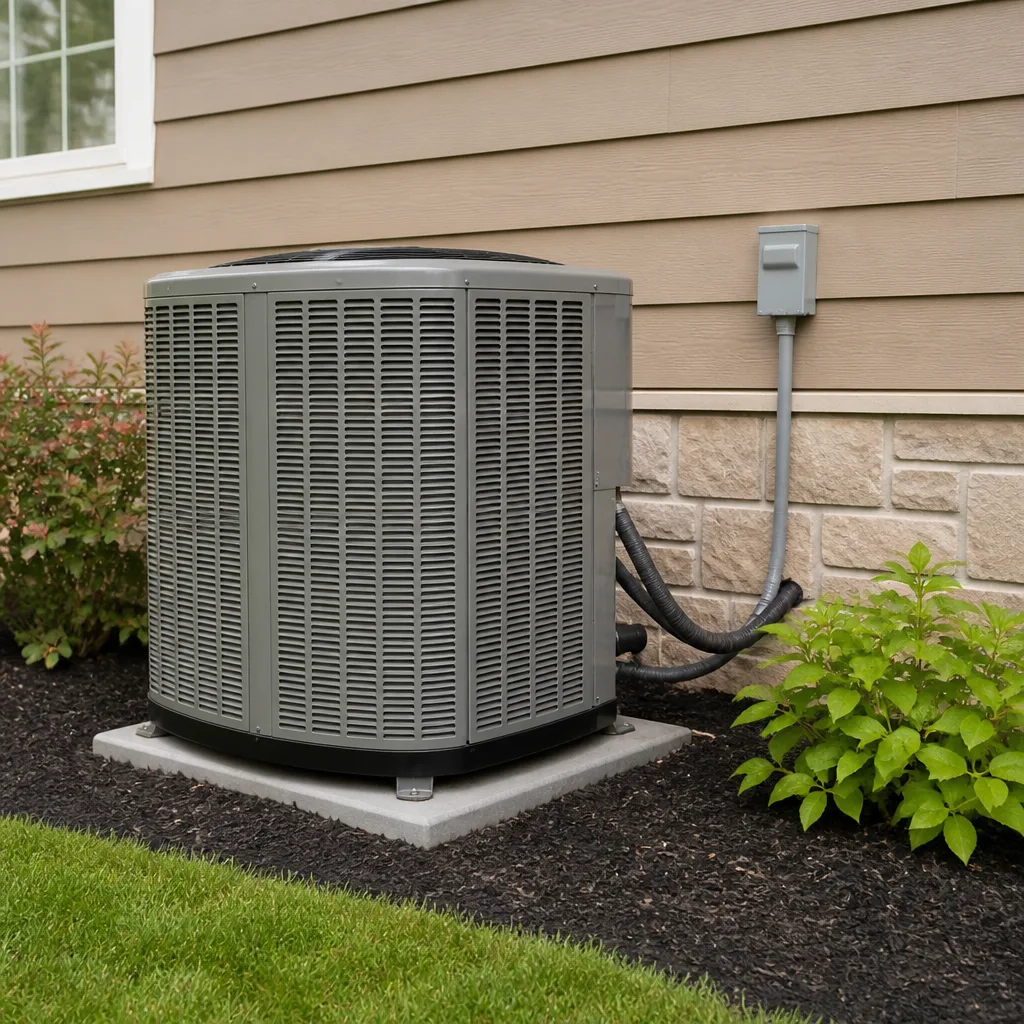 AC repair
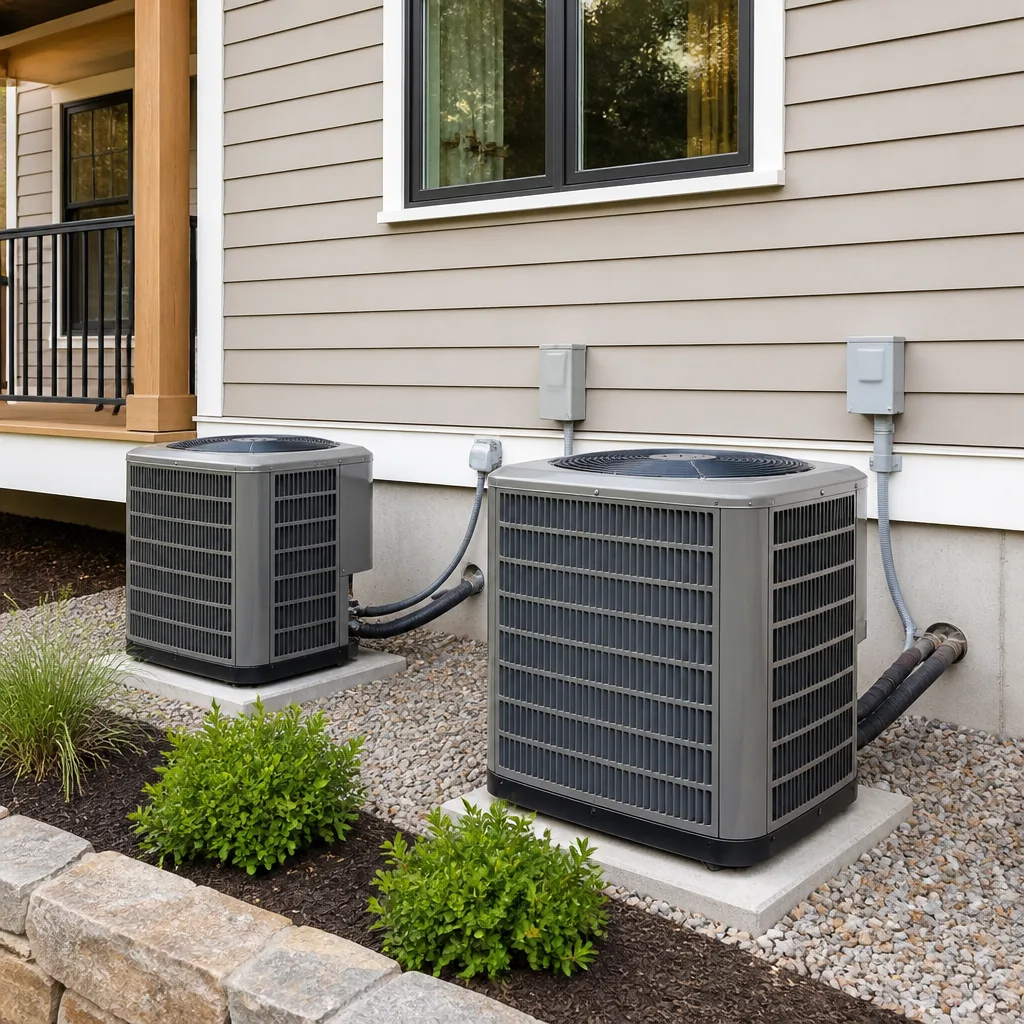 Heat pumps
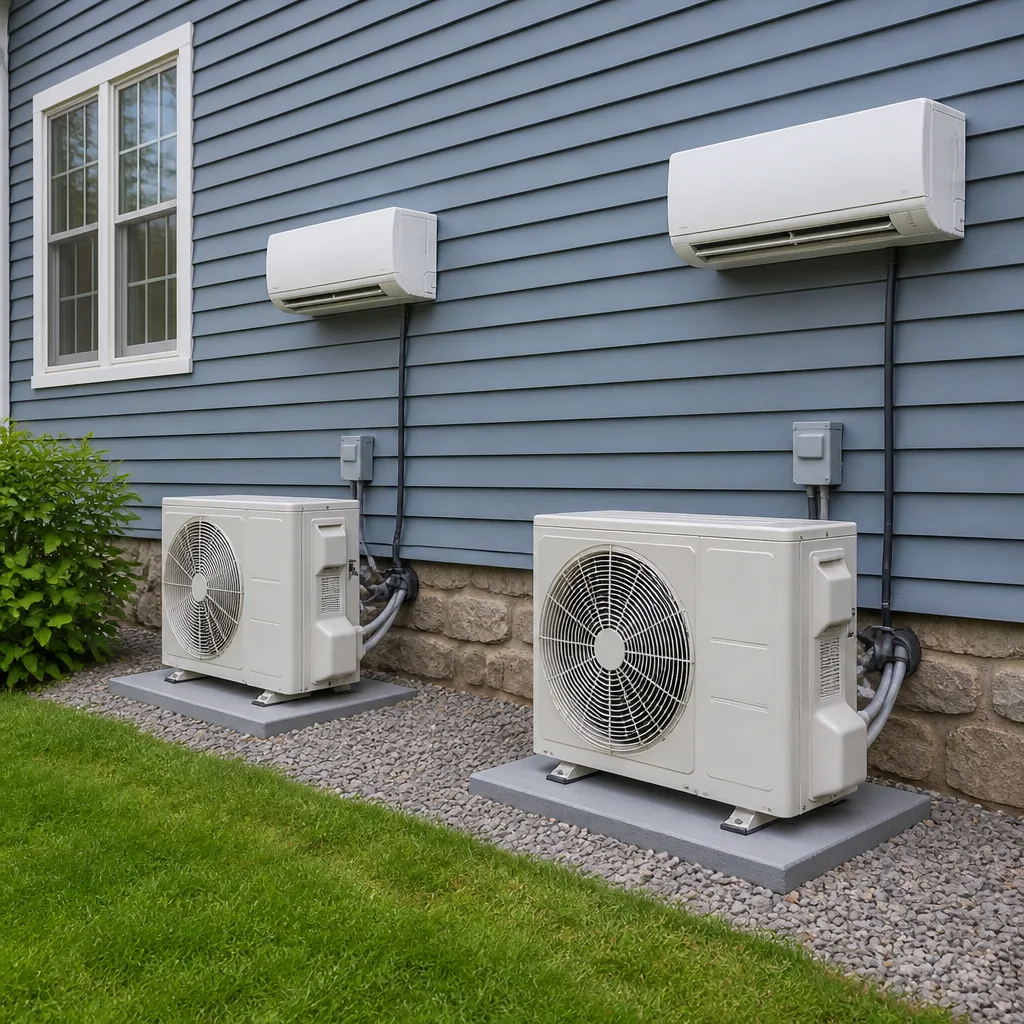 Ductless mini splits
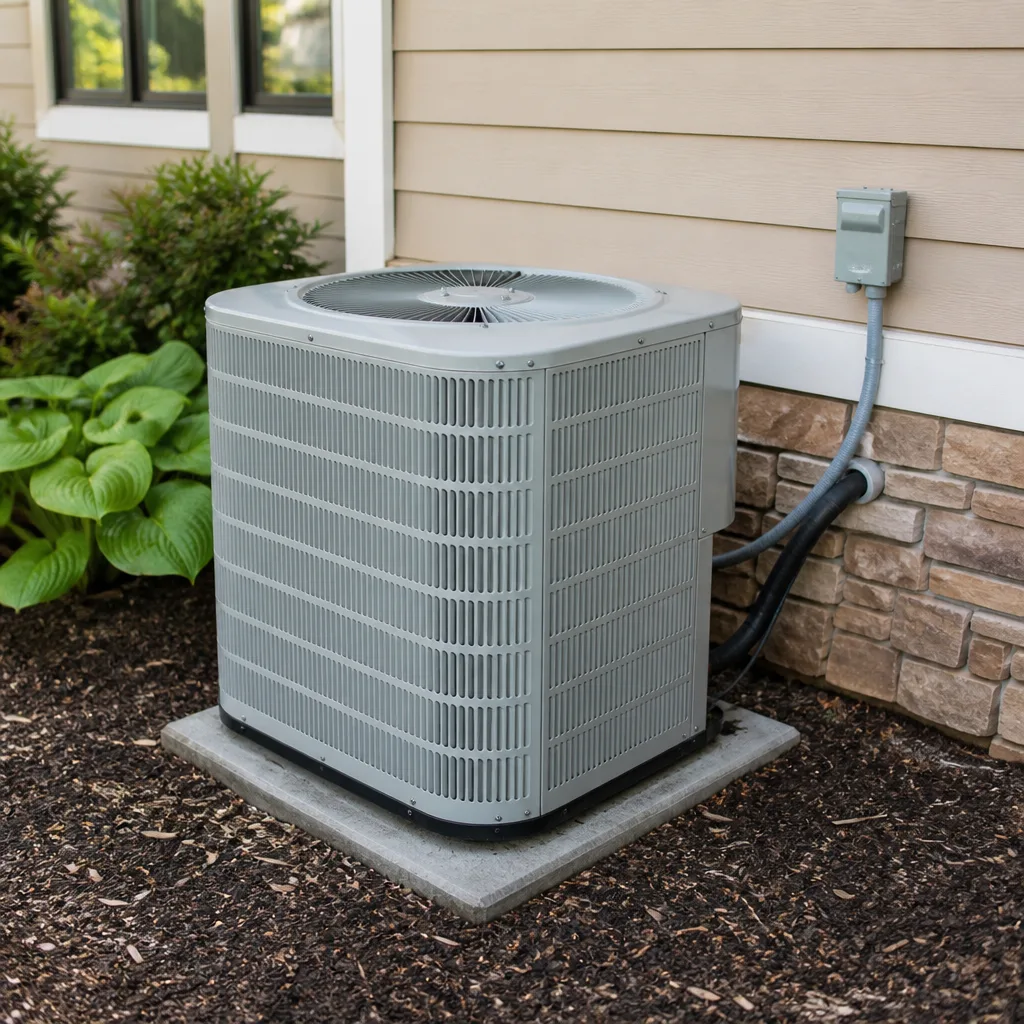 Carrier
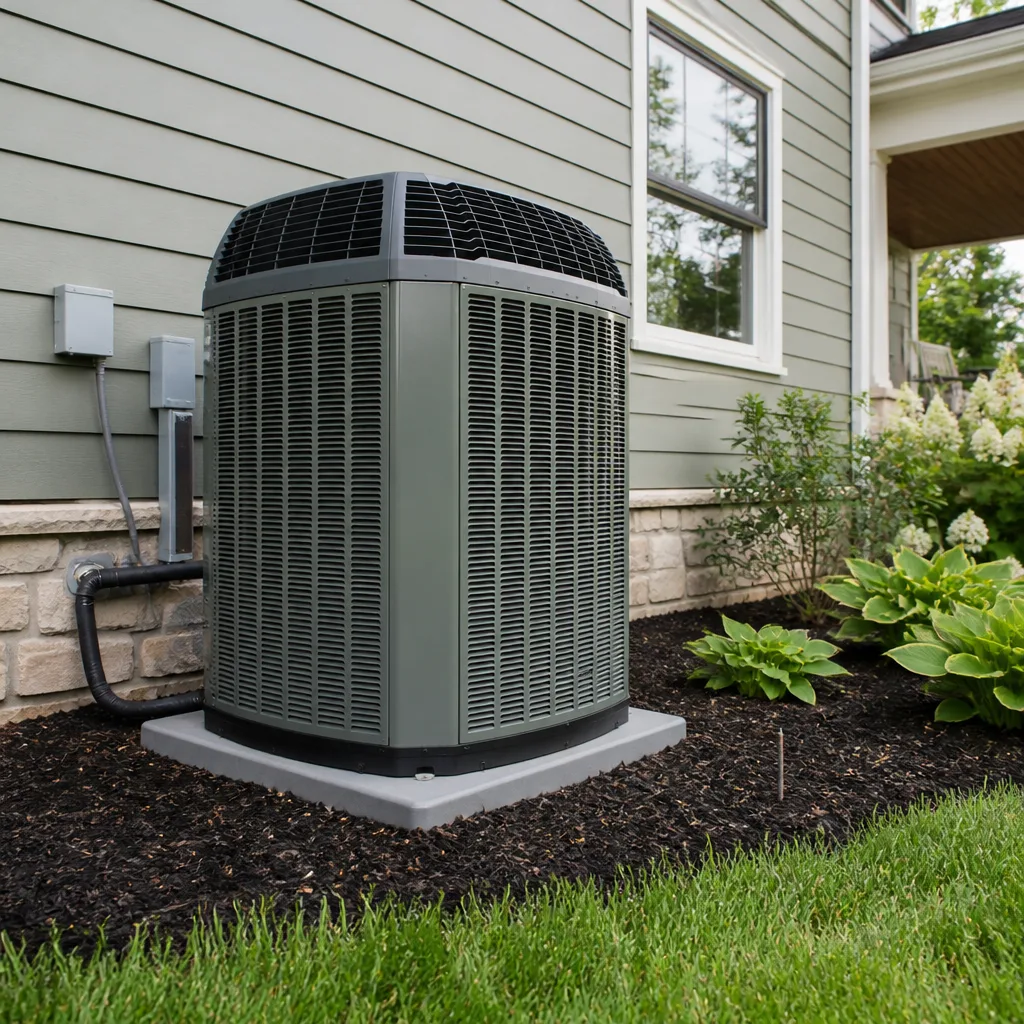 Trane
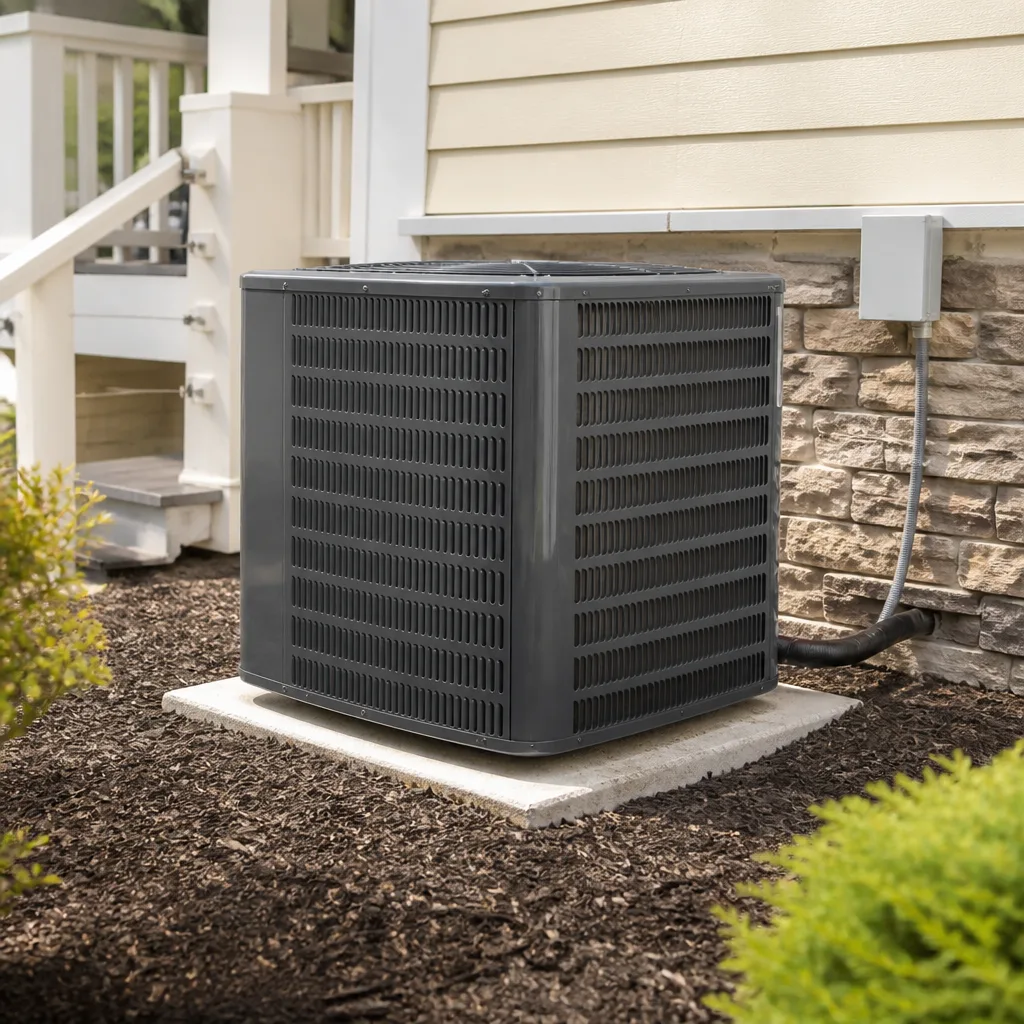 Goodman
Seasonal tune-up and full diagnostic on your Carrier, Trane, or Goodman system - readings shown to you before any repair is proposed
Diagnosis first, numbers second - you approve the repair price before a single part goes in.
Get your free estimateFurnace Replacement Maintenance Checklist for Grand Prairie Homeowners
A furnace replaced in a rush during a cold snap is three times more likely to be incorrectly sized than one selected during a planned off-season evaluation – and an oversized furnace in a Grand Prairie home will short-cycle, wear out early, and cost more to run every single winter. Most homeowners here don’t think about their furnace until the first hard freeze in November, and by then the decision gets made in a hurry. That’s exactly the moment when corners get cut. This checklist is built to reverse that pattern: what to check before the install, how to confirm the new unit is sized right, what to watch for on commissioning day, and how to keep it running through a North Texas heating season.
Quick Answer
A proper furnace replacement in Grand Prairie follows four phases: a pre-replacement audit of ducts, gas line, and flue clearance; a Manual J load calculation to confirm sizing; active commissioning that you witness or get documentation for; and a maintenance schedule tuned to the shorter but still demanding North Texas heating season. Skipping any one of those phases is how homeowners end up with a system that runs more and heats less.
Styles & brands we work with
- AC repair
- Furnace & heating
- Heat pumps
- Ductless mini splits
- Carrier
- Trane
- Goodman
Table of Contents
- The Pre-Replacement Audit
- Sizing the New Furnace with Manual J
- Commissioning Day: What to Watch For
- Maintenance Through the North Texas Heating Season
- What to Do With the Old System
- Matching Equipment to Your Home and Budget
- Building a Replacement Timeline
- Safety Checks That Are Not Optional
The Pre-Replacement Audit: What Gets Checked Before a Furnace Goes In
A furnace is only as good as the conditions it’s dropped into. In Grand Prairie, where the summer cooling load is heavy and the winter heating load is short and sharp, a replacement that doesn’t start with an audit of three systems – ducts, gas line, and flue – is a replacement built on assumptions. Installers running full schedules in November skip this phase because the audit takes time and the furnace itself installs in a few hours. Ask for it anyway.
Duct leakage. Ducts in older Grand Prairie homes leak. Every leak pushes heated air into the attic or crawl space instead of the room. A furnace that’s perfectly sized for the house will still short-cycle if it’s fighting leaky ducts because the system can’t move the air it was built to move. A duct leakage test, or at minimum a visual inspection of every accessible run and joint, should happen before the new furnace is selected. If the leakage is heavy, seal or repair becomes part of the project.
Gas line sizing. New furnaces sometimes need more gas volume than the old one did. The installer should confirm the incoming line size and written capacity against what the new unit draws. A line that was adequate for a mid-efficiency furnace may not be adequate for a high-efficiency model. If the sizing doesn’t match, the fix is a line upgrade – not a shrunken furnace.
Flue clearance and venting. The flue must clear combustible material by the required distance and meet the manufacturer’s venting requirements for the specific model being installed. High-efficiency furnaces in Grand Prairie often vent through a side wall with PVC rather than up a metal flue; that’s legitimate, but the route and the clearances still need to be planned and in the quote before the crew arrives, not improvised on install day.
Combustion air. A furnace in a tight closet or utility room needs a defined source of combustion air. Confirm the requirement against the new unit’s rating before the install, not after.
Return air path. Undersized returns are common in homes where a furnace has been replaced a time or two without checking. A return that’s too small for the new blower will raise static pressure and shorten the life of the blower motor.
If any of those items is never mentioned during the estimate, ask about it. Get it in writing. The pre-audit is the phase that separates a furnace replacement from a furnace swap, and the difference shows up in your first two winters.
Sizing the New Furnace with Manual J, Not Guesswork
The single most common mistake we see in furnace replacement is size-by-matching. The installer measures the old unit, writes down its capacity, and orders the same number. That’s not sizing. That’s guessing that the last person who sized the house got it right. In a house built in 1978, the original furnace may have been sized for single-pane windows, loose construction, and different insulation than the house has now. Matching the old unit perpetuates every error it contained.
What proper sizing looks like:
- The installer measures the conditioned square footage and ceiling height of every zone.
- Windows and doors are counted with orientation – south-facing glazing loads differently than north.
- Attic and wall insulation levels are checked or documented.
- Duct leakage and location are factored in.
- Local design temperatures for North Texas are applied to the calculation.
- The result is a Manual J heating and cooling load figure in BTUs, not a rounded tonnage or a rule of thumb.
That load calculation drives the model selection, not the other way around. A furnace sized to the load runs full, steady cycles that heat the house evenly and dehumidify properly in the shoulder seasons. An oversized furnace heats the house too fast, hits the thermostat setpoint, and shuts off – then the house cools and it fires again. That’s short-cycling. It wears out the heat exchanger and ignitor, uses more gas per heating degree day, and leaves cold rooms because the air never has time to circulate properly before the blower shuts off.
For Grand Prairie, the calculation has to account for a specific reality: heating days are fewer than in northern states, but the load is real. There are usually a few mornings each winter that push a furnace to its limit, and those are the days the sizing decision gets tested. A system sized correctly for a typical North Texas winter has headroom for the cold snaps without being oversized for the average day.
Ask for the Manual J calculation in writing. Ask for the BTUs in and BTUs out on the quoted equipment. If a company quotes a furnace without a load calc, the quote is missing the most important number on the page.
Commissioning Day: What to Watch For and What to Collect
Commissioning is the phase after the new furnace is physically in place. It’s the tests the installer runs to confirm the system is actually operating to spec. Busy installers sometimes treat this as a formality; a proper start-up takes longer than the removal and reinstall combined. You should either witness it or ask for documentation.
Witness or request the following:
- Gas pressure test. Manifold pressure is measured at the gas valve and compared to the manufacturer’s spec for your altitude. High or low pressure shortens equipment life and affects combustion.
- Temperature rise measurement. The installer measures return air temperature and supply air temperature, then compares the difference to the range printed on the furnace data plate. A temperature rise outside that range is a symptom: too much rise means restricted airflow, too little means the furnace is oversized for the ducts.
- Combustion analysis. A digital analyzer checks the flue gas for oxygen, carbon monoxide, and stack temperature. Any reading outside spec gets adjusted before the installer leaves. Ask for the printed or written results.
- Static pressure check. Total external static pressure is measured in the duct system. Elevated numbers point to duct restrictions or inadequate returns that need to be addressed.
- Thermostat configuration. Heating cycle rate, fan settings, and any program schedule should be set to match the new furnace’s control board. Default thermostat settings from a previous system often drive the wrong cycle rate.
- Flue or vent verification. The installer should confirm the venting is sealed, sloped, supported, and connected to the correct condensate management for high-efficiency models.
- Filter installation and recommendation. Confirm the filter size, the correct MERV rating for the new blower, and the recommended change interval for your household.
- Permit and inspection paperwork. Most Texas cities require a permit for furnace replacement and a final inspection. Confirm the permit was pulled and know when the inspection is scheduled.
Collect the equipment model and serial numbers, the installation date, and the commissioning results in one place. You’ll need the model number for warranty claims and for any future service call. You’ll need the commissioning data if the system ever underperforms and someone tries to say it was installed correctly.
Maintenance Through the North Texas Heating Season
The North Texas heating season is shorter than a northern state’s but no less critical. Grand Prairie furnaces typically run three to four months of meaningful heating, bookended by the shoulder seasons where HVAC systems do their most cycling. The maintenance that matters most is calibrated to that rhythm, not to a generic twelve-month checklist written for a colder market.
Before the first cold snap (roughly September or October):
- Replace the filter. A new furnace run on a dirty filter fights its own blower motor from day one.
- Schedule a pre-season tune-up. A technician should check ignition, flame sensor, blower motor amp draw, and the heat exchanger for signs of cracking.
- Test the thermostat in heat mode and confirm the setpoints match what you want for the season.
- Walk the vents in every room. Furniture, rugs, or stored items pushed against registers restrict airflow and cause hot and cold rooms.
Mid-season (December through February):
- Check the filter every thirty days. Homes with pets or heavy carpet traffic may need a swap sooner.
- Watch for short cycling. If the furnace fires for less than five minutes and shuts off repeatedly, the system is either oversized, restricted, or cycling for a sensor reason – all of which warrant a call.
- Listen for new noises. Rumbling on start, a rising whistle, or a rattle that wasn’t there last month are early indicators.
- Watch the gas bill against the same months in previous years. A sudden jump that isn’t tied to temperature usually traces back to a combustion or airflow problem.
End of season (March or April):
- Have the furnace serviced before it shuts down for cooling season. Small issues found now are cheaper than problems discovered in October.
- Replace the filter one last time and note the date. It’s a small habit that saves expensive blower repairs.
- Confirm the AC side of the system is ready to take over, because the same ducts and the same air handler typically serve both.
The system that gets maintained on this rhythm typically runs its full design life. A furnace that goes seasonal-maintenance-free for five years will show it in the sixth.
What to Do With the Old System: Rebates and Trade-In Options
Part of the checklist most homeowners never think about is the old equipment. The furnace comes out; what happens to it matters more than you might expect.
Oncor rebates. Oncor’s efficiency programs have historically offered rebates on qualifying high-efficiency gas furnaces and on related system upgrades, but rebate structure and eligibility change from year to year. In 2026, the correct move is to ask the installing contractor whether the specific model quoted qualifies for any current Oncor rebate, and to get the rebate documentation requirement – model numbers, efficiency ratings, installation receipts – specified in the quote. If the contractor can’t tell you which tier applies, ask them to confirm before the equipment is ordered.
Manufacturer trade-in and warranty options. Most manufacturers, including Goodman, Rheem, York, and Daikin, run periodic upgrade or trade-in programs through their dealer network. These are often tied to a specific efficiency tier and a registration deadline. Ask your installer which manufacturer promotions are active for the model you’re considering. If you have a manufacturer’s extended warranty or labor warranty on the outgoing unit, check whether any portion transfers or can be credited toward the new equipment.
Old-unit removal and disposal. Removal and disposal is normally part of the replacement scope, but confirm it explicitly. Left-behind equipment in a garage or driveway becomes your problem. Ask where the old unit will be staged during the install and who hauls it away.
Refrigerant handling if the system is a packaged or paired configuration. If the old system shares refrigerant lines with the AC, those lines should be inspected and, in some cases, opened and replaced during the project. Leaving aged lines connected to new equipment is a shortcut, not a real replacement.
Matching Equipment to Your Home and Budget
The equipment list matters less than the match between equipment, house, and duct system – but the list still matters. Premium-tier furnaces from Carrier, Trane, or Lennox tend to have more sophisticated controls and sometimes longer warranties. Value-tier equipment from Goodman, Rheem, York, or Daikin runs a wide range of efficiencies and offers real options at lower price points. A truck full of one brand cannot give you an honest choice. A full-spectrum contractor can.
What to compare on any quote, regardless of brand:
- AFUE rating. The efficiency number printed on the unit. Higher AFUE costs more upfront and saves on gas over time; the breakeven depends on your heating load and local gas rates.
- Single-stage vs. two-stage vs. modulating. Two-stage and modulating furnaces run at lower output on milder days, which is a better match to a North Texas winter where only a handful of days are near design temperature.
- Variable-speed blower vs. fixed-speed. Variable-speed blowers dehumidify better in cooling season and run quieter. They work well in Grand Prairie homes where the same duct system serves both heating and cooling.
- Warranty coverage. Heat exchanger years, parts years, and labor warranty are separate items. Ask for all three in writing.
- Physical fit. The unit has to fit the closet or platform with proper clearances, or the install becomes a cabinet remodel. Measure the space and check the dimensions on the quoted equipment before signing.
The right furnace for your home is not necessarily the one at the top of the efficiency ladder and not necessarily the one with the lowest tag. It’s the one sized to the load calculation, compatible with your ducts and gas line, and supported by a warranty you can actually use. If a quote doesn’t reflect the pre-audit findings, ask why.
Building a Replacement Timeline
The Grand Prairie furnace replacement window is not really a weekend. It’s a project. Start thinking about it by August, plan it by September, and have it done before the first serious cold front of November. When homeowners wait until the furnace fails in a cold snap, the entire checklist above typically collapses.
- Late summer: recognize and decide. If the furnace is past its design life, has had multiple repairs, or is asking for parts that are getting scarce, start the replacement conversation before it stops running.
- September: get two to three written estimates. Each estimate should include the pre-audit findings, the Manual J summary, the model numbers, and the written price. That’s the minimum standard.
- October: lock the install date and pull the permit. Confirm the date, the permit, and the equipment lead time. The right furnace for your home is sometimes an order-in, not something on a shelf.
- Install day: witness the commissioning or collect the documentation. Don’t let a crew pack up before the temperature rise and combustion analysis are complete.
- Two to four weeks after install: final inspection and follow-up. The city inspection should be complete. If anything about the heat feels different than you expected, call before the next cold snap.
The complete process, from first estimate to final inspection, usually spans four to six weeks when it’s driven by the calendar rather than by an emergency. The deadline is the point: build the timeline before the cold does it for you.
Safety Checks That Are Not Optional
Furnace work involves natural gas, electrical components, and combustion products. The safety checks below are the ones a trained technician runs during installation and maintenance, and none of them are homeowner DIY territory. Get a professional for anything on this list.
- Combustion analysis on every service. This is the only way to catch a heat exchanger problem or a carbon monoxide issue before it’s a health hazard. Make sure the technician runs one and gives you the numbers.
- Carbon monoxide detectors. Every floor of the home with a furnace or a fuel-burning appliance should have a working CO alarm. Test the units once a month during heating season.
- Heat exchanger inspection. A cracked heat exchanger can allow combustion gases into the supply air. It’s a visual and testing inspection, not something you can eyeball through a vent.
- Gas connection and leak check. Every gas joint in the new install is tested for leaks before the furnace is put into service. Never run a furnace with a smell of gas in the house; leave and call from outside if you smell gas.
- Flue integrity. The flue or PVC vent pipe should be fully sealed, properly sloped, and unobstructed. A disconnected or blocked flue is a serious defect.
- Electrical connections. The furnace draws significant current through its connections. Loose wiring in a new install is a fire risk and a failure risk at the same time.
If anything on that list wasn’t checked when your system was installed, get it checked now. The cost of a safety inspection is a fraction of the risk it addresses.
Common Mistakes to Avoid
- Sizing by matching. Writing down the old unit’s capacity and ordering the same number assumes the previous install was right. In older Grand Prairie homes, it often wasn’t.
- Skipping the duct audit. A new furnace connected to leaky ducts blows conditioned air into the attic. Ask for duct leakage inspection or a test before signing.
- Buying during the cold snap. Emergency purchases are priced for urgency and sized for what’s available, not for what’s correct. Make the decision in the shoulder season.
- Not confirming the permit. Texas cities require permits for furnace replacement, and an unpermitted install can complicate insurance and resale. Confirm the permit is pulled before the crew arrives.
- Ignoring the gas line. New high-efficiency furnaces sometimes need more gas volume than the old unit. If the line sizing isn’t checked, the new furnace can’t perform to spec.
- Letting the crew leave without commissioning data. Temperature rise, combustion analysis, and static pressure are diagnostic numbers you need on record. Get them in writing.
- Forgetting the rebate paperwork. Oncor rebate eligibility is tied to the specific model installed. Ask about qualifying equipment before the order is placed, not after.
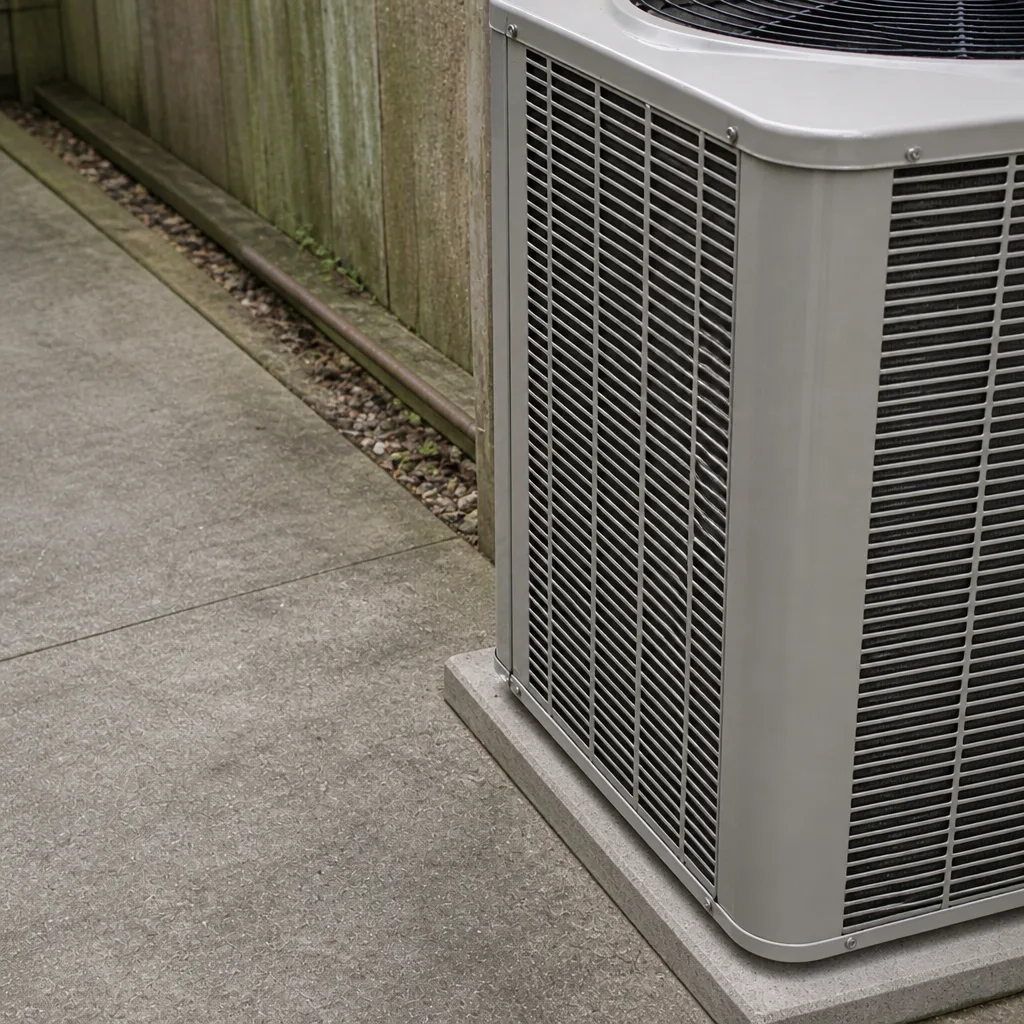
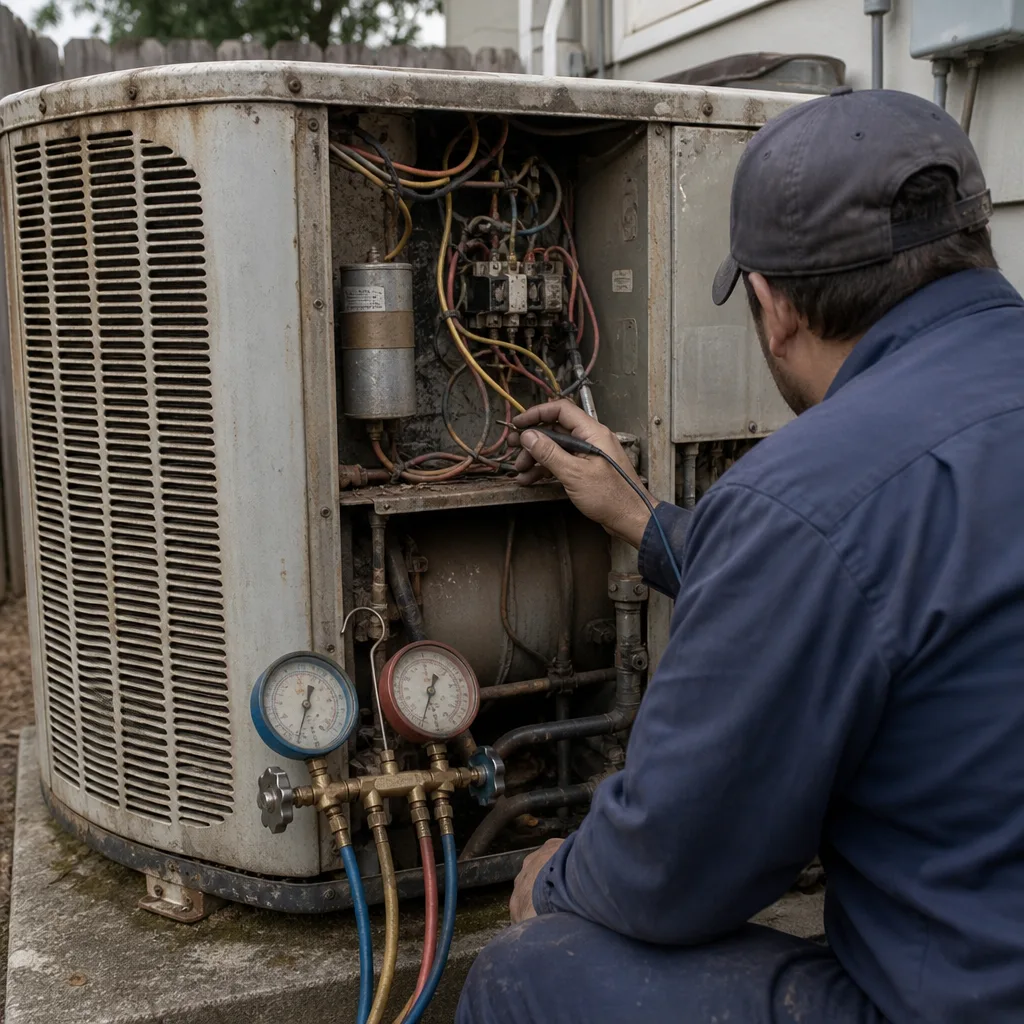
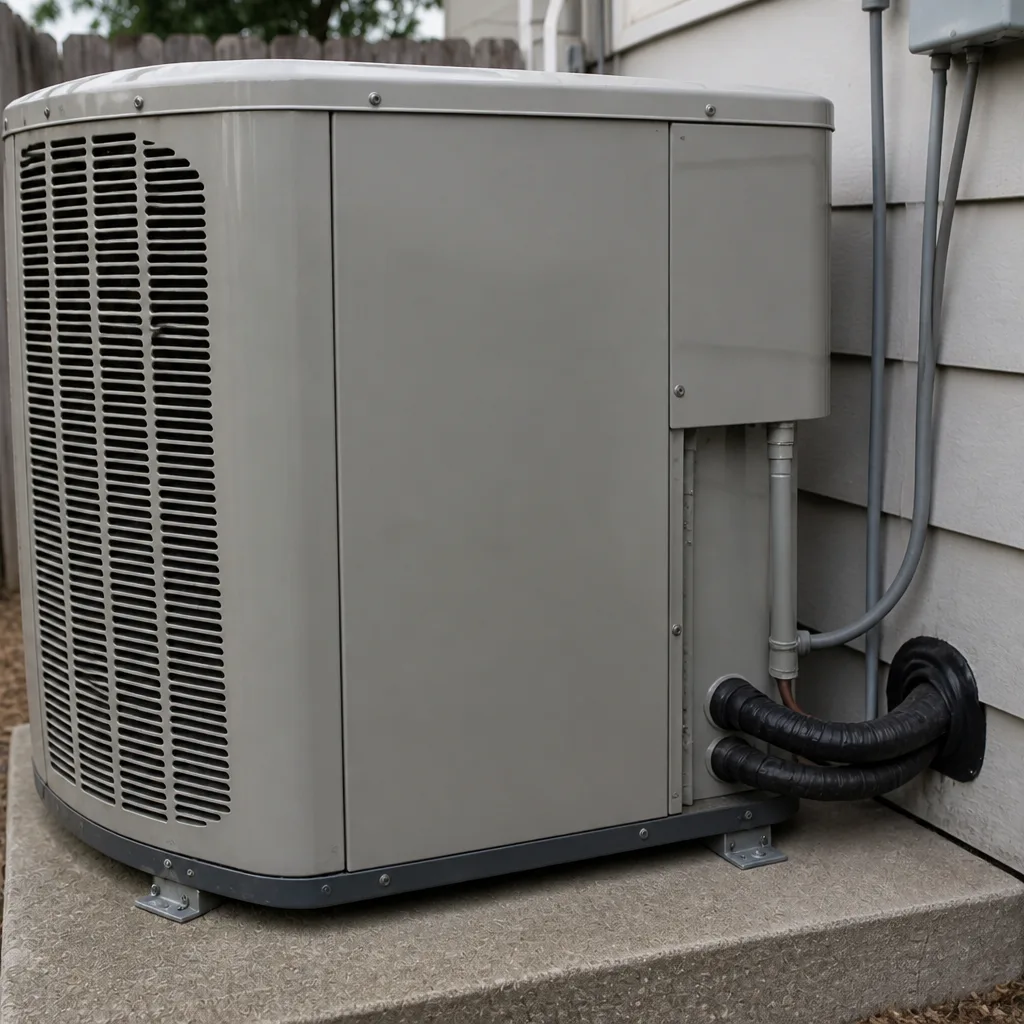
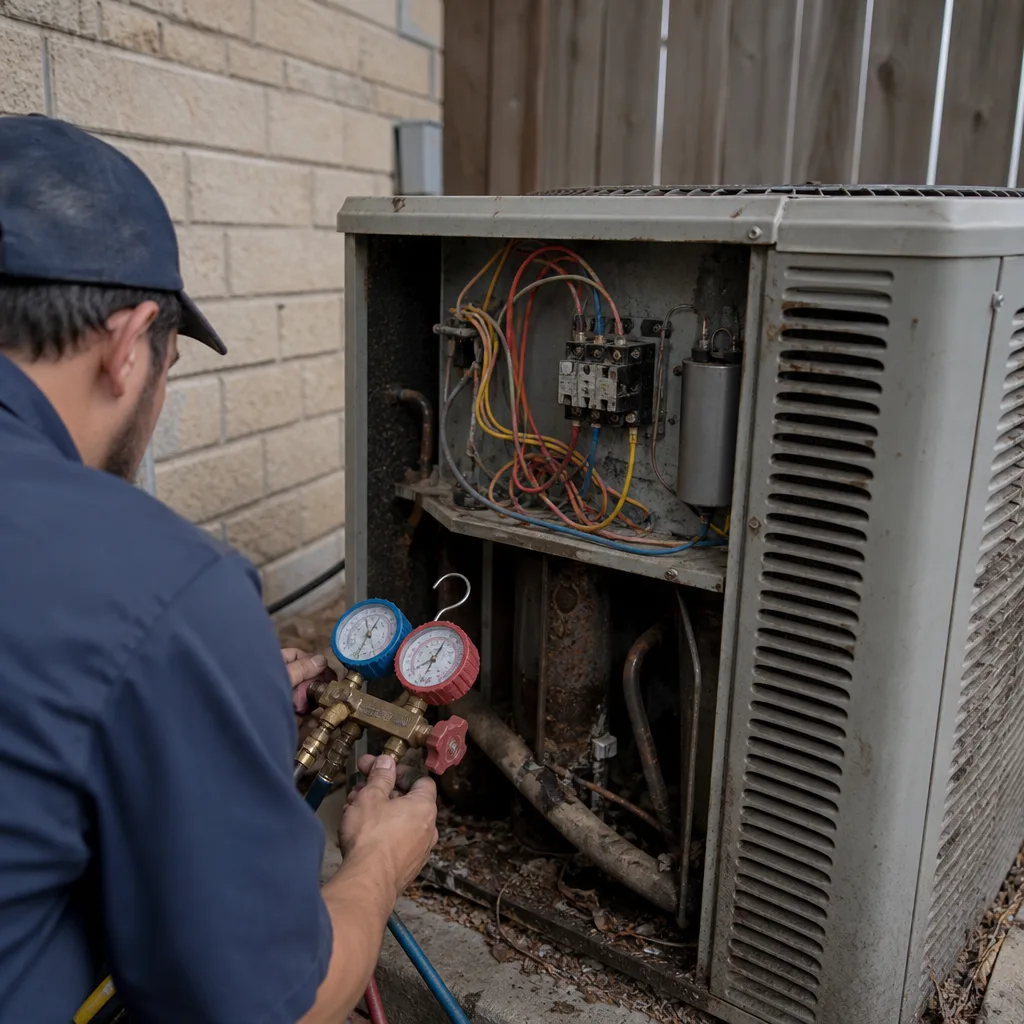
See the difference
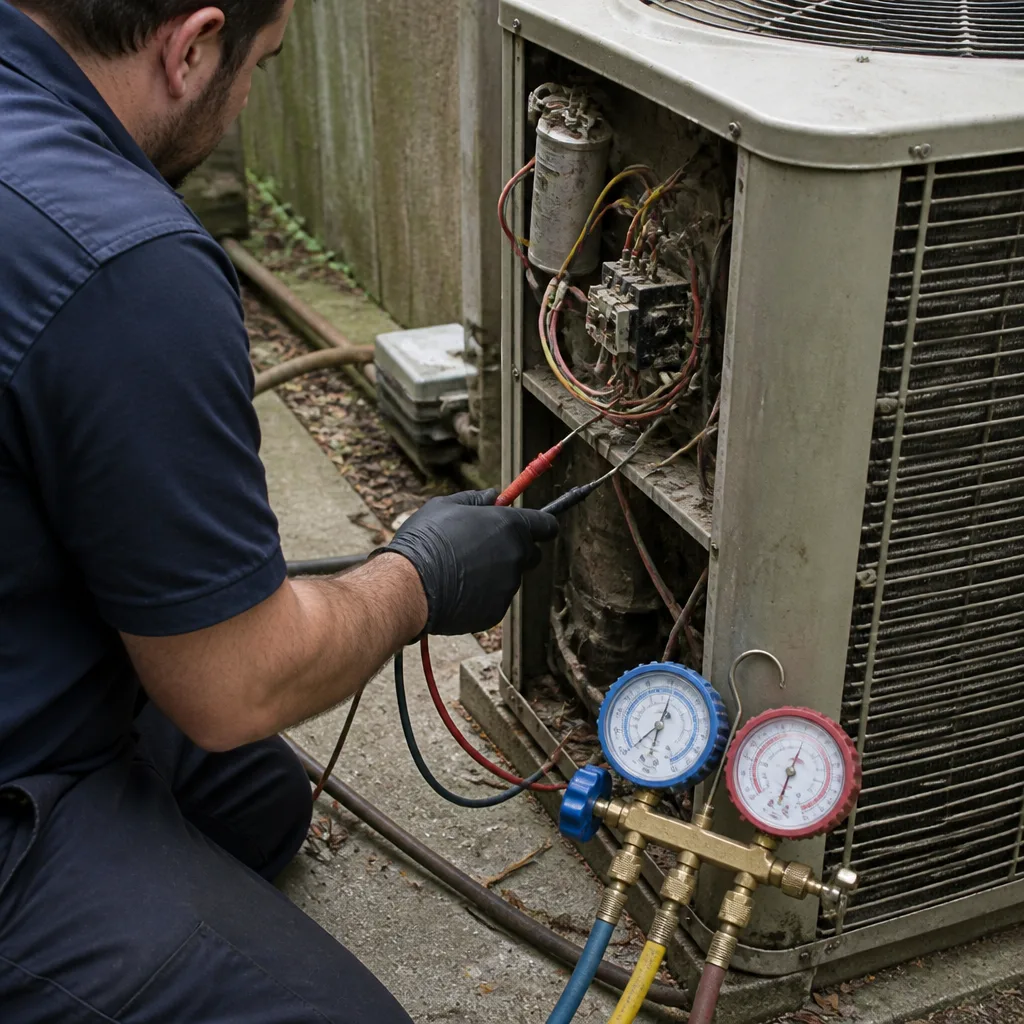 Before
 After
 Before
 After
 Before
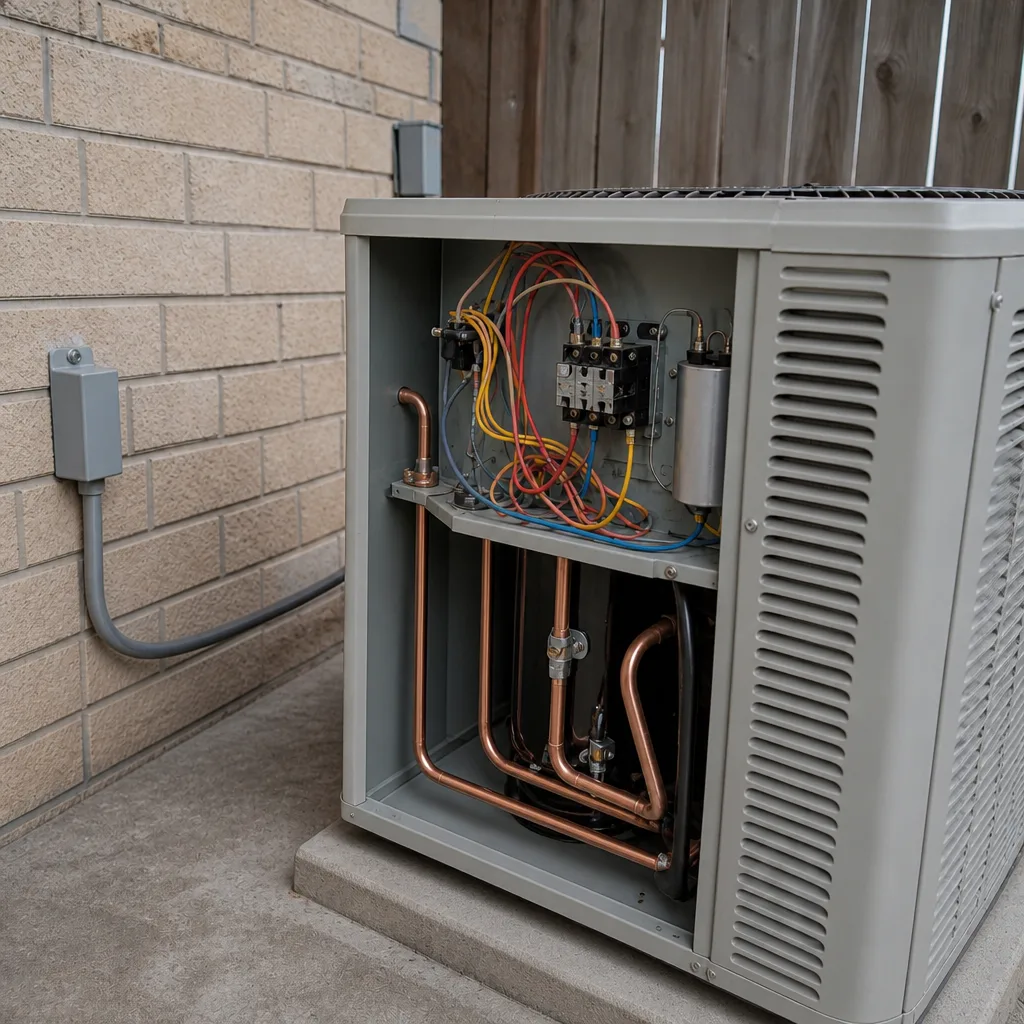 After
When to Call a Professional
Furnace replacement is not a homeowner task, but some situations call for a technician sooner than others. Call if you smell gas near the furnace, if the carbon monoxide alarm sounds, if you see soot, corrosion, or water inside the furnace cabinet, or if the heat exchanger shows any sign of cracked metal. If your furnace short-cycles, will not stay lit, or the flame is a different color than it used to be, that is also a professional call. Older equipment past its design life, or a furnace that has needed multiple repairs in a short stretch, warrants an evaluation before a cold snap forces the decision. We work on Carrier, Trane, Lennox, Goodman, Rheem, York, Daikin, Bryant, and American Standard – and we’ll give you a straight repair-or-replace answer rather than a canned sales pitch. Grand Prairie homeowners can call (866) 942-9965 for a free estimate. We answer 24/7. Fast dispatch from 7am to 7pm, Sunday through Friday.
Frequently Asked Questions
Most gas furnaces are designed for roughly fifteen to twenty years of service, and North Texas heating load means the run-time per heating season is lower than in colder states, which can extend the window slightly. In practice, once a furnace is past fifteen and repairs become more frequent, replacement is usually the better financial decision. The right time is the shoulder season, not a cold snap. For a free estimate on your specific system, call (866) 942-9965.
A standard replacement for a mid-efficiency gas furnace typically falls in a broad range, while high-efficiency and two-stage systems sit higher on the scale. The written estimate sets the final price, and the estimate should include the load calculation, the pre-audit findings, the equipment model, and the R-value of the equipment being installed. We don’t price off a range alone – the number you sign is what you pay. Call (866) 942-9965 for a free estimate.
Yes, and you should ask for it in writing. Manual J is the industry standard load calculation method that sizes a furnace to your specific house – square footage, windows, insulation, duct leakage, and North Texas design temperatures. Without it, the installer is matching the old unit’s size, which perpetuates whatever sizing errors were made previously. Call (866) 942-9965 to schedule an evaluation.
Oncor’s efficiency programs have historically covered qualifying high-efficiency gas furnaces, but eligibility and rebate amounts change each year. The right step is to ask the installing contractor whether the specific model quoted qualifies for a current Oncor rebate and to have the rebate documentation requirements written into the quote. Get the numbers in writing before the equipment is ordered. Call (866) 942-9965 for help checking eligibility on a specific model.
Not always, but often worth evaluating. The furnace and AC share a duct system and typically a blower. If the AC is more than ten years old and the furnace is being replaced, doing both in one project can reduce labor and give you a system designed as a matched pair. If the AC is younger and in good shape, replacing the furnace alone is usually fine. We’ll give you a straight answer either way. Call (866) 942-9965.
A new furnace should have a filter check every thirty days during heating season, a pre-season tune-up in September or October that covers ignition, combustion analysis, and heat exchanger inspection, and an end-of-season service in March or April before the system hands off to cooling. The season is shorter here than in northern states, but the maintenance schedule is not lighter – it’s just compressed into fewer months. Call (866) 942-9965 to book a maintenance visit.
The Bottom Line
The Grand Prairie homeowner who replaces a furnace well is not the one who picks the cheapest quote in a hurry. It’s the one who audits the ducts, gas line, and flue before signing; asks for the Manual J load calculation in writing; witnesses the commissioning on install day; and maintains the system through the North Texas heating season on a real schedule. Every item on this checklist costs nothing more than attention. Skip the phases and you’ll pay for it in short cycling, uneven heat, and a shorter system life. Do them and the furnace performs the way it was built to – through years of Texas winters.
For a straight answer on your system, whether that’s diagnostics, repair, or a full replacement quote backed by a Manual J load calculation and a written fixed price, call Stallion AC Repair at (866) 942-9965 for a free estimate. We work on furnace repair on equipment from nine leading brands, handle AC installation alongside furnace replacement so both halves of your system are accountable to one team, and have technicians with up to 12 years of experience. Our technicians have up to 12 years of experience across premium and value-tier equipment, so the recommendation is built around your home and budget, not what’s easiest to sell. Build the timeline before the cold builds it for you. Visit Stallion AC Repair to get started. We answer 24/7. Fast dispatch from 7am to 7pm, Sunday through Friday.
Written by the team at Stallion AC Repair.