
Last updated November 16, 2026
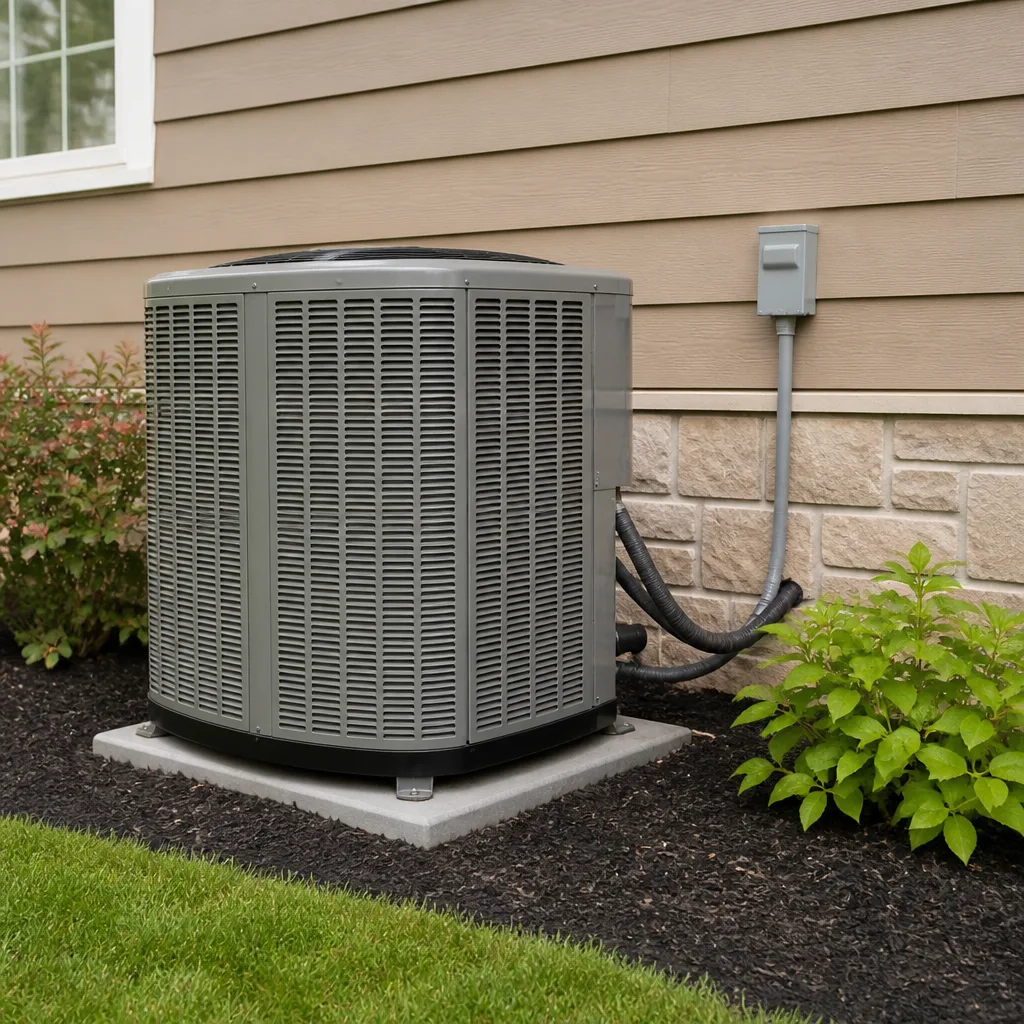 AC repair
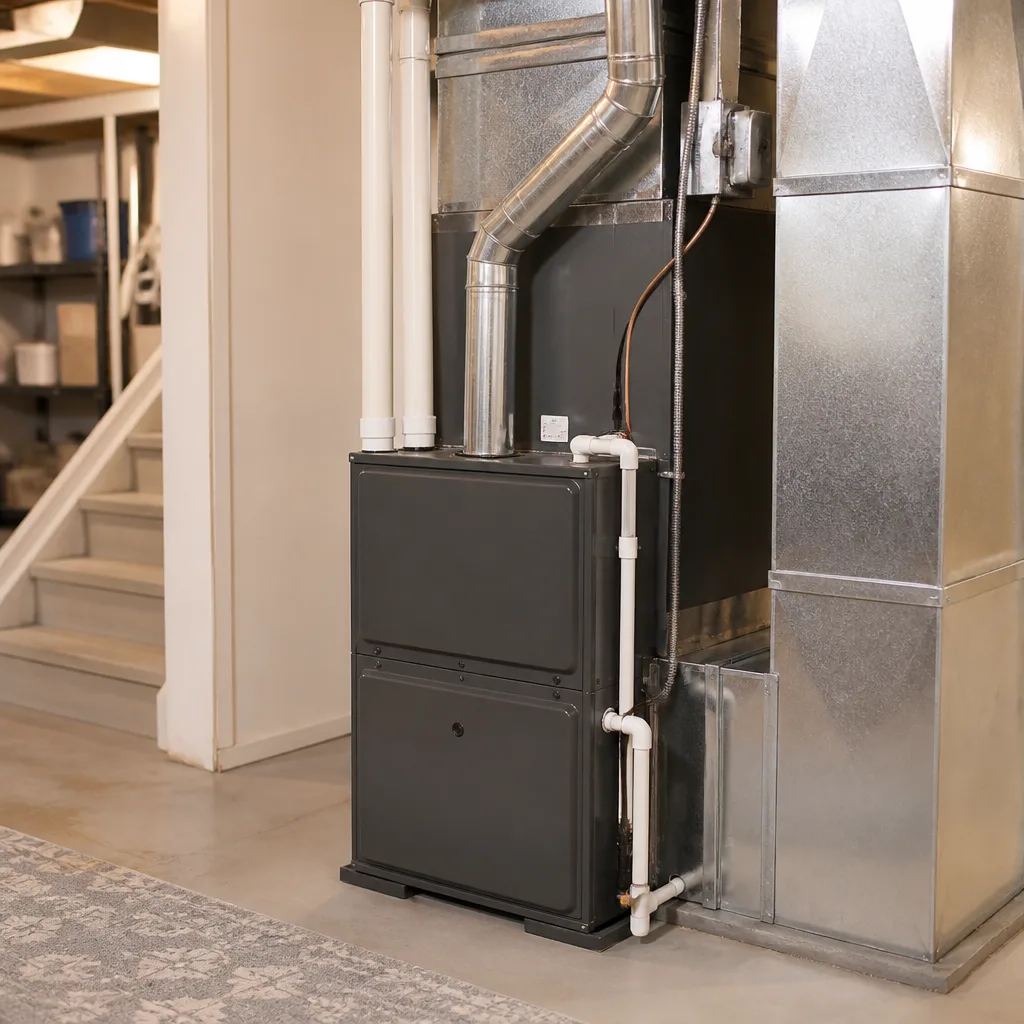 Furnace & heating
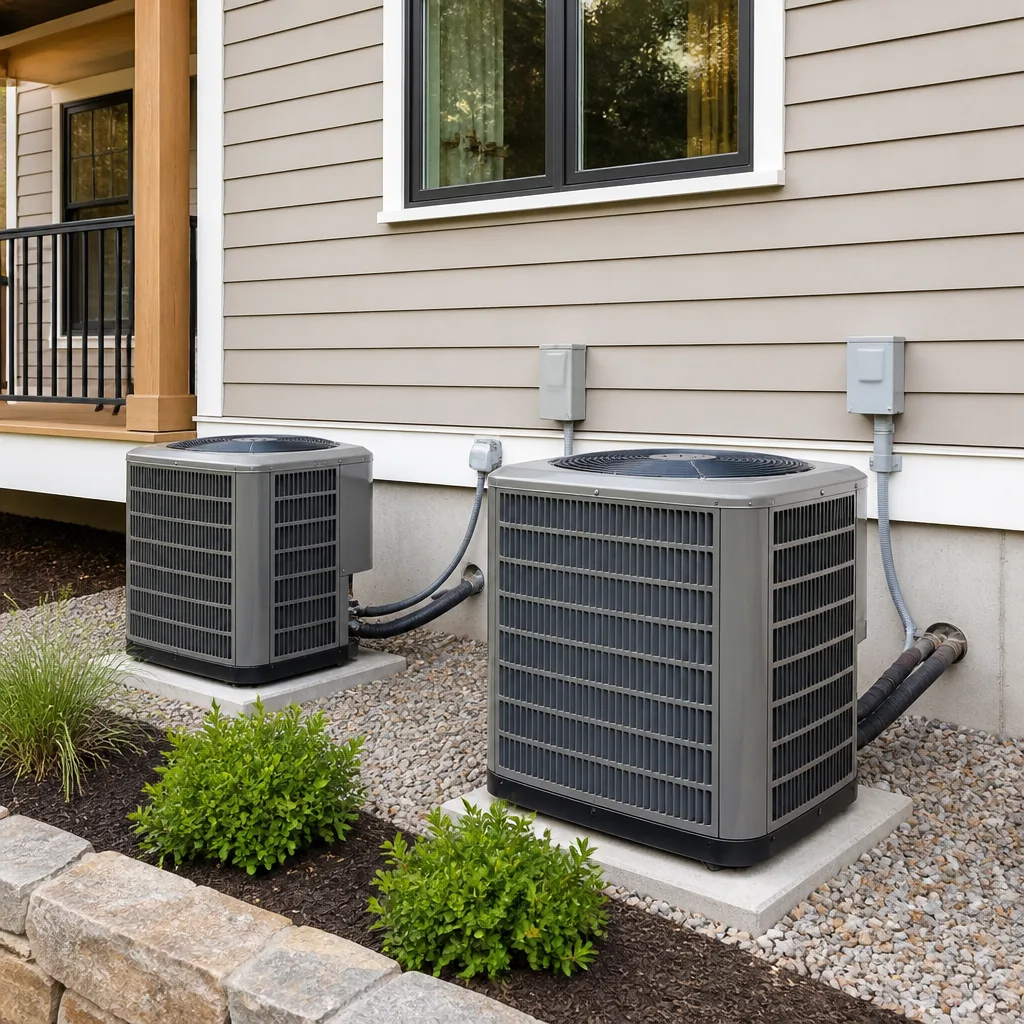 Heat pumps
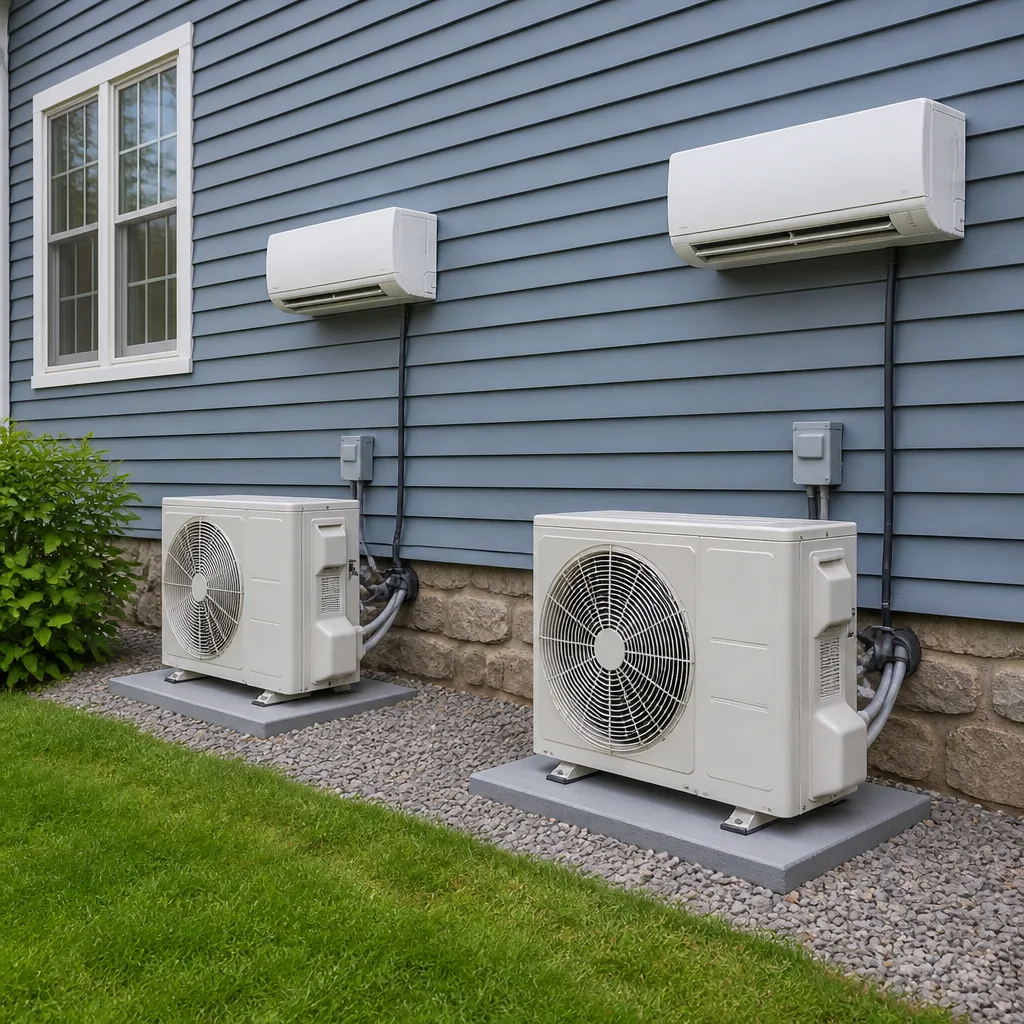 Ductless mini splits
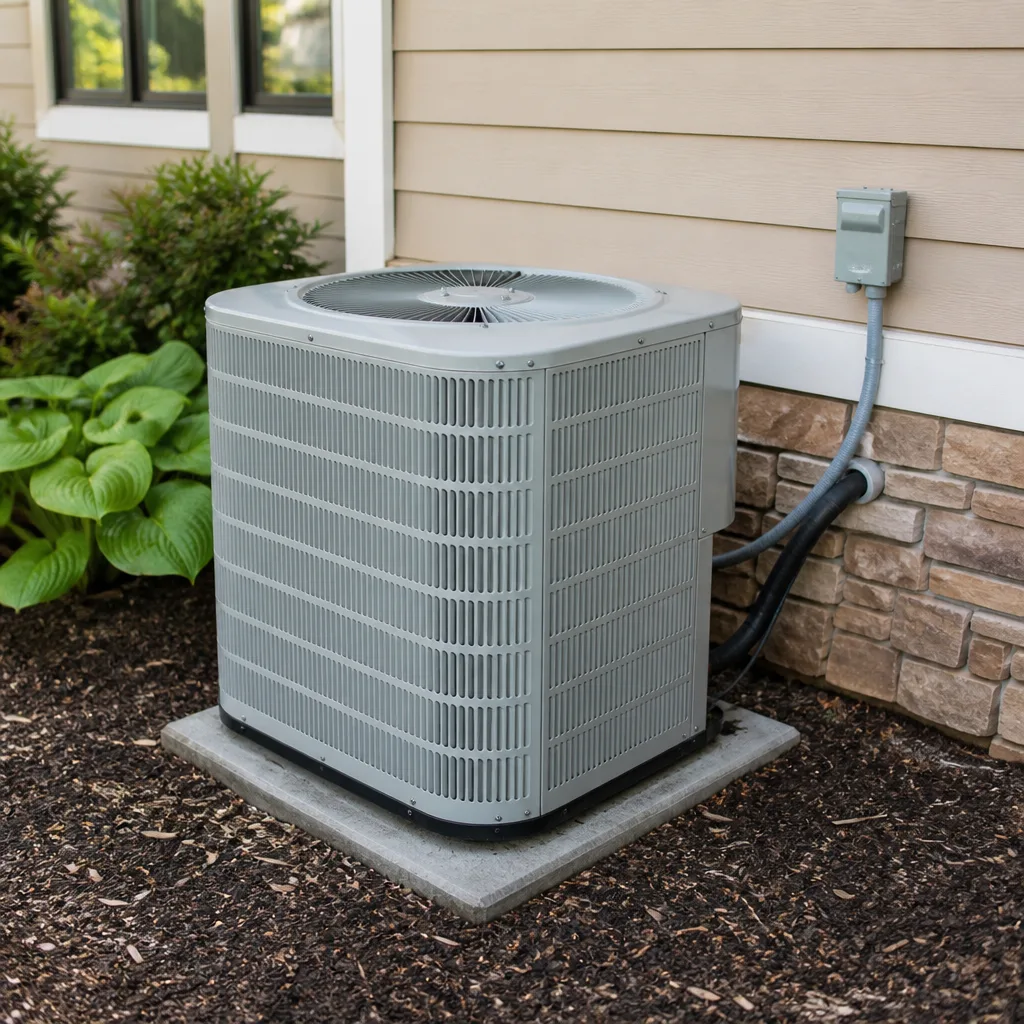 Carrier
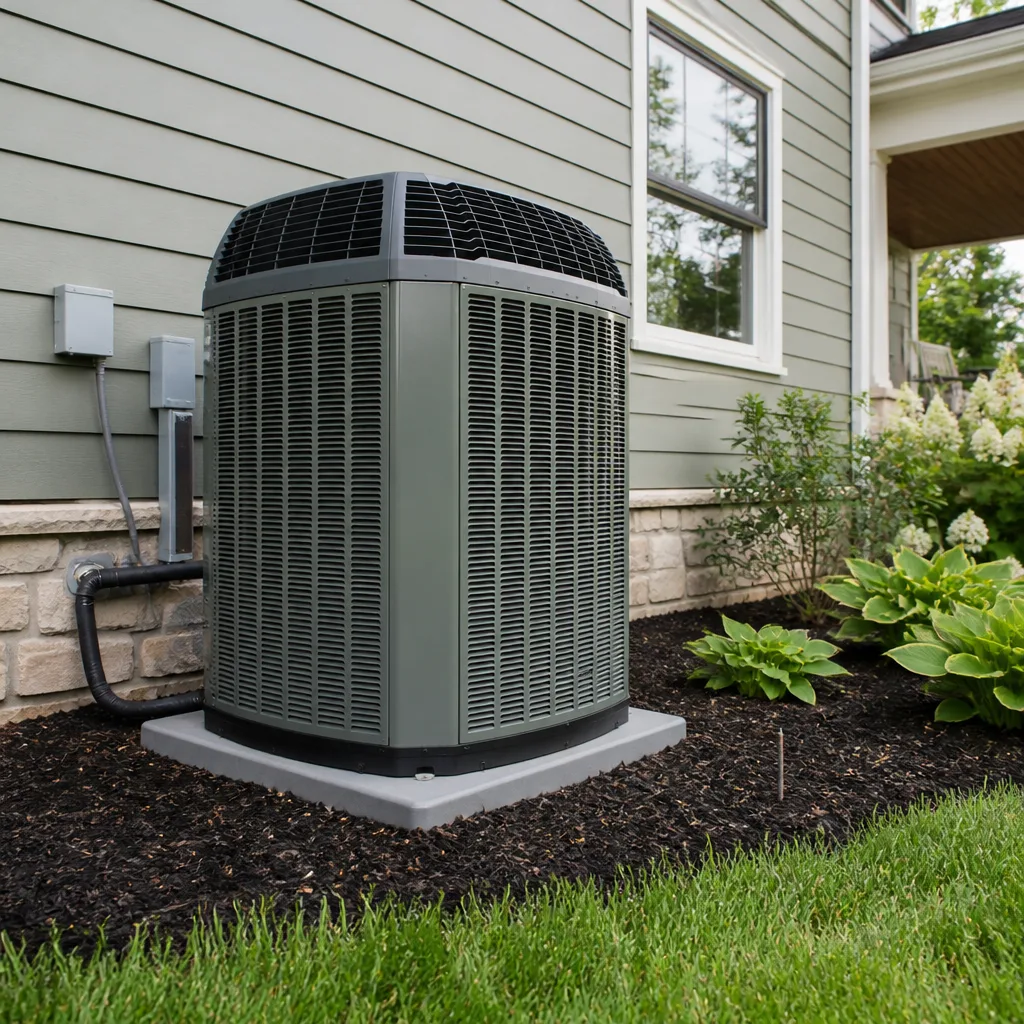 Trane
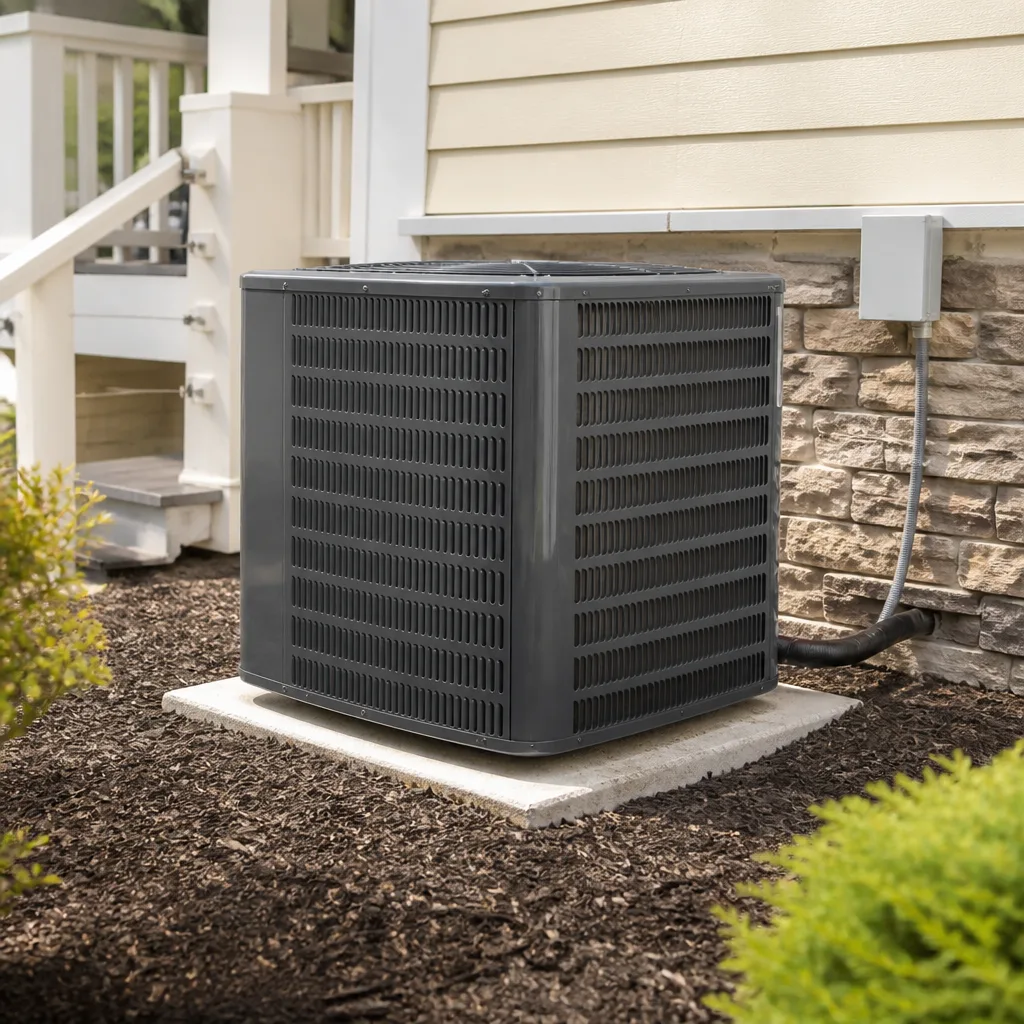 Goodman
Seasonal tune-up and full diagnostic on your Carrier, Trane, or Goodman system - readings shown to you before any repair is proposed
Diagnosis first, numbers second - you approve the repair price before a single part goes in.
Get your free estimateHVAC Permits, Codes & Inspections in Grand Prairie, TX: What You Need to Know
Most homeowners assume a permit is paperwork a contractor handles quietly in the background, and that skipping it saves everyone time. The opposite is true. An unpermitted HVAC installation follows the house, not the contractor. It can stall an appraisal, complicate an insurance claim after a fire or a failed compressor, and force a removal-and-redo years later when you’re trying to sell. Grand Prairie enforces its own permitting rules through its own building department, and the line between “permitted job” and “exempt job” is narrower than a lot of salespeople will tell you. This guide walks through what actually requires a permit, how the inspection process works, what changed with the 2023 SEER2 and refrigerant rules, and how to verify a permit was pulled in your name.
Quick Answer
In Grand Prairie, TX, any HVAC work that involves replacing or installing equipment, altering refrigerant lines, or modifying ductwork and electrical connections generally requires a permit and at least one inspection. Simple repairs that swap a part without touching the system’s refrigerant circuit or wiring often do not. Permit responsibility falls on the contractor you hire, and you have the right to ask for the permit number before work begins.
Styles & brands we work with
- AC repair
- Furnace & heating
- Heat pumps
- Ductless mini splits
- Carrier
- Trane
- Goodman
Table of Contents
- Which HVAC jobs require a permit in Grand Prairie?
- How the City of Grand Prairie permit and inspection process works
- The 2023 SEER2 and refrigerant updates and what they mean for replacements
- What happens during a failed inspection
- How to verify that a contractor pulled a permit
- When a repair becomes a permit job
- Why an unpermitted system can cost you at resale or on a claim
- Common mistakes to avoid
- When to call a professional
- Frequently asked questions
Which HVAC jobs require a permit in Grand Prairie?
The dividing line isn’t “big job versus small job.” It’s whether the work changes the equipment, the refrigerant circuit, the electrical supply, or the duct system serving the home. A compressor swap on an existing condenser? Usually no permit. A new condenser on that same pad? Almost always yes.
Here’s the practical breakdown we use when talking with homeowners in neighborhoods like Dalworth, Seguin, and the newer subdivisions off Belt Line Road:
Work that generally requires a permit in Grand Prairie
- AC installation or full system replacement, including changing from a single-stage to a two-stage or variable-speed unit
- Furnace replacement or a change of fuel source
- New ductwork or significant duct modification that changes airflow rates or pressure balance
- Any work that alters the electrical circuit feeding the equipment, including adding a disconnect or upsizing a breaker
- Adding a mini-split or zoning to a home that didn’t have one
- Relocating indoor or outdoor equipment
Work that is usually exempt
- Replacing a failed capacitor, contactor, blower motor, or control board with a like-for-like part
- Recharging refrigerant to a manufacturer’s specified charge
- Thermostat replacement
- Cleaning coils and drains
- Replacing a rusted condensate pump
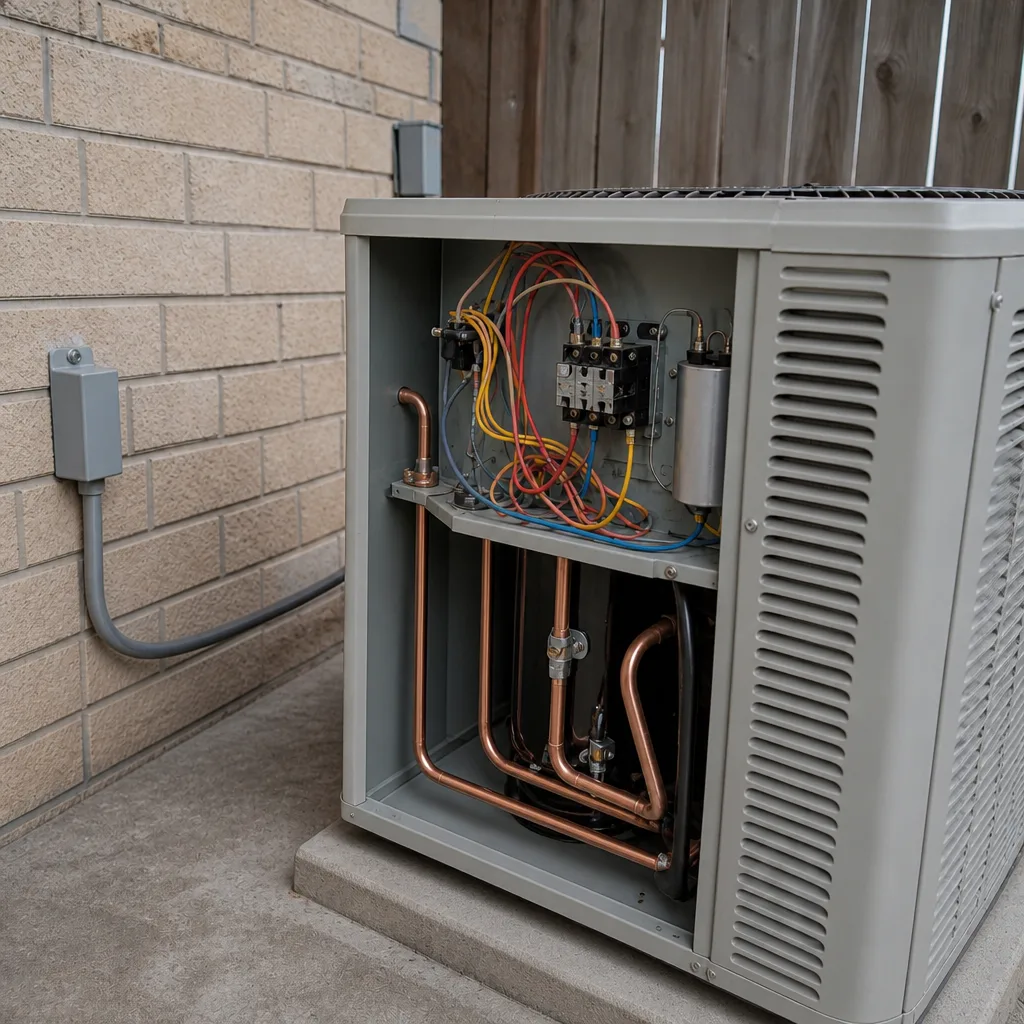
Notice what isn’t on the exempt list: refrigerant line modifications. Any time the sealed circuit is opened and rebuilt, the work falls under permitting. If a contractor claims that swapping a whole condenser “doesn’t need a permit,” that’s a flag worth pressing. We work on Goodman, Rheem, York, and Daikin equipment regularly, and the brand doesn’t change the permitting rules; the scope of work does.
One more Grand Prairie note: some homeowners’ associations in the newer developments on the city’s south and west sides require separate architectural approval for outdoor unit placement, setbacks from the property line, and fence screening. That’s an HOA layer on top of the city permit, and it’s not something the city inspector enforces.
How the City of Grand Prairie permit and inspection process works
The homeowner or the contractor can file the permit, but the responsibility to close it out sits with whoever filed. In practice, a licensed HVAC contractor files, because the permit requires a licensed professional’s information and because the inspection is tied to that contractor’s work.
The typical sequence
- Application and submittal. The contractor files with the City of Grand Prairie building department, usually electronically, including equipment specifications and the scope of work.
- Review. Simple residential replacements often move quickly. Anything that changes load calculations, adds new circuits, or involves a system that isn’t a like-for-like swap can take longer.
- Permit issuance. Once issued, you have a permit number. Ask for it. It should exist on the city’s record before a technician shows up with a condenser.
- Installation. Work proceeds against the permitted scope.
- Rough-in inspection (where applicable). For ductwork and electrical, an inspector may want to see the work before it’s sealed behind drywall or buried in the attic.
- Final inspection. The inspector checks the installation against the approved scope, the electrical connections, the condensate routing, the equipment placement, and the refrigerant documentation.
- Permit closure. Only then is the job officially done, and that closed permit is what shows up in public records at resale.
Timelines in Grand Prairie depend on the inspector’s schedule and on whether the submission was accurate the first time. A well-prepared submittal with the right equipment data and scope moves faster than one that has to be corrected and resubmitted. That’s a real reason to choose a contractor who’s done this in Grand Prairie before.
What an inspector actually looks at, in our experience, comes down to a narrow list: is the equipment what was permitted, is the electrical connection done to code, is the condensate line routed and trapped correctly, is the refrigerant charge documented, are clearances to the structure and property line respected, and does the system perform as specified. An inspector isn’t there to grade craftsmanship. They’re checking that the code-minimum and life-safety items are correct.
The 2023 SEER2 and refrigerant updates and what they mean for replacements
In 2023, federal efficiency standards changed. The metric moved from SEER to SEER2, which uses a different testing methodology and generally results in lower-looking numbers on the label for equipment with the same real-world performance. Alongside that, refrigerant standards shifted, phasing down high-GWP refrigerants in favor of newer formulations.
The practical consequence for a Grand Prairie homeowner replacing equipment today:
- You can’t just match the old unit’s spec sheet. A replacement permitted under current code has to meet the current efficiency minimum for its size and type, which may be different from what was installed a decade ago.
- Refrigerant handling matters. New equipment uses the newer refrigerants, and mixing refrigerants or using reclaimed material outside the permitted standard creates documentation problems at inspection.
- Indoor and outdoor match. A new outdoor unit on an old indoor coil can fail the code check even if the outdoor unit itself is compliant. The system has to be evaluated as a matched set, and sometimes that means replacing the coil too.
- Load calculations still matter. Code doesn’t just dictate efficiency; it asks whether the equipment size is right for the house. Oversized units short-cycle and dehumidify poorly, a real issue in a North Texas summer.
What this means for your wallet is honestly: the efficiency floor is higher than it was, so a code-compliant replacement may cost more than the sticker on the old spec. That’s not a contractor upselling. It’s the code. Ask for the written scope and the equipment model numbers before you sign, and if the numbers don’t line up with what’s being installed, ask why.
When it’s time for a replacement, our AC installation service includes the permit paperwork as part of the job. If you’re weighing equipment from Goodman, Rheem, or Daikin, the brand choice is yours to make; the code requirement is not.
What happens during a failed inspection
A failed inspection isn’t a catastrophe. It’s a punch list. The inspector documents what doesn’t meet code, the contractor corrects it, and a re-inspection is scheduled. Most failures fall into a handful of categories, and most are correctable without removing the whole system.
The most common failure points
- Electrical connection not to code. Missing disconnect, wrong breaker size, or an improper whip. Correctable on the spot.
- Condensate drainage. No trap, wrong slope, or discharge into an inaccessible location. Usually a same-day fix.
- Refrigerant documentation missing. No record of the charge and the equipment match. This can require a technician to return and verify.
- Equipment not matching the permitted scope. This is the most serious. If the installed model isn’t what was permitted, that can require a permit amendment or, in a bad case, replacement.
- Clearances. Outdoor unit too close to a wall, a fence, or the property line. Often fixed by relocation, which is real work but not a full redo.
What you should ask for if a failure happens: the inspector’s written comments, the contractor’s proposed correction, and confirmation of when the re-inspection is scheduled. Don’t let the job get “closed out” informally. The permit stays open until it’s signed off.
How to verify that a contractor pulled a permit
This is the single most useful thing you can do as a homeowner, and almost nobody does it. Some contractors will file the permit because it’s standard practice. Some will skip it because it costs them a fee and a few hours of paperwork. Neither outcome changes your exposure if the inspection never happens.
Verification steps
- Ask for the permit number in writing before any equipment arrives at the house. An email or text counts. A verbal “we pulled it” doesn’t.
- Look it up on the City of Grand Prairie’s permit search using your address. The permit should appear with a scope of work matching what you were quoted.
- Confirm the contractor’s name on the permit matches who’s doing the work. A permit filed under a different company’s name is a red flag.
- Track the inspection date. If the installation was completed weeks ago and no inspection has been scheduled, ask why.
- Get the final inspection result in writing. You want documentation that the permit was closed, not just that it was opened.
If a contractor resists any of this, treat it as your answer. The right contractor isn’t annoyed by the question. They’ll send the permit number before you ask, because they know it protects the homeowner and them.
Grand Prairie has thousands of homes spread from the older neighborhoods near Main Street out to the newer builds along 360 and I-20. Permit records don’t care where you live. What changes is how long the process takes and which inspector covers your area.
When a repair becomes a permit job
The gray zone is the middle: a repair that starts small and grows. A pinhole leak in the evaporator coil that becomes a coil replacement. A failed compressor that ends up as a “since we’re here, the condenser should be replaced too” conversation. The code rule of thumb: once you’re replacing the equipment or opening the sealed refrigerant circuit, you’ve crossed into permit territory.
That distinction matters to your wallet, because repair and replacement choices land in very different cost brackets. A simple repair on existing equipment sits near the low end. A permitted replacement is a much larger number, and that number should come from a written estimate that spells out what’s being installed, what code it meets, and how the inspection will be scheduled. When we recommend a furnace repair over replacement, it’s usually because the unit still has useful life left and the repair restores safe operation. When we recommend replacement, it’s because the unit can’t get there economically or because a repair would leave you with a system that no longer meets code.
If you’re not sure whether your situation crosses the line, ask directly: “Will this specific repair require a permit?” The answer should be a clear yes or no, with a reason. If it’s a shrug, keep asking.
Why an unpermitted system can cost you at resale or on a claim
Homeowner’s insurance policies vary widely, but the common thread is that unpermitted work is a known issue at claim time. If a fire or a water loss is tied to an installation that wasn’t permitted or inspected, the insurer can investigate whether the work met code. Whether they pay, partially pay, or deny depends on the policy and the facts, but it’s a question you never want to be answering from a hotel room.
The resale angle is more common and more predictable. Lenders and buyers’ agents increasingly pull permit records during a transaction. An unpermitted HVAC install shows up as a gap. Depending on how the buyer’s lender treats it, the options range from “request documentation” to “require the work be inspected and brought to current code before closing.” That second path is where the seller pays for work they thought was done correctly years earlier.
Grand Prairie’s real estate market moves with the rest of the Metroplex, and buyers have learned to ask. A clean permit record on your HVAC systems is a small piece of leverage that costs you nothing to have.
Common Mistakes to Avoid
- Assuming a repair quote is a permit quote. A verbal price for a compressor swap and a price for a permitted replacement are different things. Ask which one you’re looking at in writing.
- Trusting “we don’t need a permit for this.” Sometimes that’s true and the contractor is right. Sometimes it’s a shortcut. Ask for the reasoning and, if needed, verify with the city.
- Skipping the final inspection. A permit that was opened but never closed shows up the same way as a permit that was never pulled. Follow through until the inspection is signed off.
- Matching old equipment specs instead of current code. Since 2023, the efficiency and refrigerant standards have shifted. A replacement sized and specified to the old unit’s label may not pass.
- Forgetting the HOA layer. A city permit doesn’t satisfy an HOA’s architectural review. Outdoor unit placement, screening, and noise all come up in some Grand Prairie neighborhoods.
- Assuming brand loyalty is a substitute for code compliance. Whether your equipment is Carrier, Trane, or Lennox, the permitting requirement is about the work, not the nameplate.
- Waiting until closing to check. The cheapest time to find and fix a permit gap is the day after installation, not the week before a sale.
When to Call a Professional
Some things a homeowner can handle. HVAC permitting and code review is not one of them. Call a licensed professional when the job involves replacing equipment, changing refrigerant lines, adding a circuit, or modifying ductwork. Call if your equipment is over ten years old and a repair bill is climbing toward replacement territory. Call if you’re buying or selling a house in Grand Prairie and permit records aren’t clean. Call if an inspector has flagged work and the original installer isn’t responding.
Our technicians have up to 12 years of experience, and we work across nine leading brands so the system in your home gets diagnosed on the right specs, not generic ones. Our team at Stallion AC Repair offers free estimates in Grand Prairie. Call (866) 942-9965. We answer 24/7. Fast dispatch from 7am to 7pm, Sunday through Friday.
Frequently Asked Questions
Yes. Replacing a complete AC unit, air handler, or furnace in Grand Prairie generally requires a permit and at least a final inspection, because the work involves new equipment, electrical connections, and refrigerant. Simple part replacement on the existing unit usually does not. If your contractor is vague on the permit, ask for the number before the equipment arrives. Call (866) 942-9965 for a free estimate on a permitted replacement.
The licensed contractor doing the work is responsible for pulling and closing the permit, though the homeowner can also apply. In practice, the contractor files because the permit is tied to their license and their work. The homeowner’s job is to verify the permit exists. Ask for the permit number in writing before installation begins. Call (866) 942-9965 if you want a contractor who handles this as part of the job.
A failed inspection results in a written punch list, and the contractor corrects the items before a re-inspection. Most failures involve electrical connections, condensate routing, refrigerant documentation, or clearances, and most are fixable without a full system removal. If the installed equipment doesn’t match the permitted scope, that’s more serious and may require a permit amendment. Call (866) 942-9965 for a free assessment if you’re inheriting someone else’s failed job.
The 2023 standards introduced the SEER2 testing methodology and shifted refrigerant requirements, raising the efficiency floor for new equipment. Any HVAC replacement permitted today must meet the current minimum, which may not match the spec of a unit installed a decade ago. That often means a matched indoor and outdoor set rather than a new outdoor unit on an old coil. Call (866) 942-9965 for a written estimate on code-compliant equipment.
You can list it, but the buyer’s lender and inspector will likely find the gap in the permit record and require it be resolved before closing. That resolution can mean buying a new permit, having the work inspected, or correcting items the inspector flags, all at the seller’s expense. The cheapest fix is preventing the gap in the first place by verifying permits at installation. Call (866) 942-9965 if you need to sort out permit issues before a sale.
Usually not, if the repair is a like-for-like part swap that doesn’t alter the refrigerant circuit or the electrical supply. Once the repair expands into replacing the whole outdoor unit or opening the sealed refrigerant lines, the work crosses into permit territory. Ask your technician which side of the line your specific job falls on, and get the answer in writing. Call (866) 942-9965 for a straight, no-pressure answer on repair versus permitted replacement.
The Bottom Line
An HVAC permit in Grand Prairie is not red tape designed to slow a job down. It’s a paper trail that follows the house, protects you at insurance-claim time, and stays clean at resale. The dividing line between permitted and exempt work is narrower than most people assume, the code minimums shifted in 2023, and verification of a pulled permit is something you can do yourself in a few minutes. Choose contractors who file permits as standard practice, ask for the number before the equipment shows up, and follow through until the final inspection is closed. A system built right and inspected clean is a system that holds season after season. We work across Grand Prairie, and we’re glad to walk you through the permit picture for your specific job.
Call (866) 942-9965 for a free estimate. We answer 24/7. Fast dispatch from 7am to 7pm, Sunday through Friday.
Written by the team at Stallion AC Repair.
See the difference
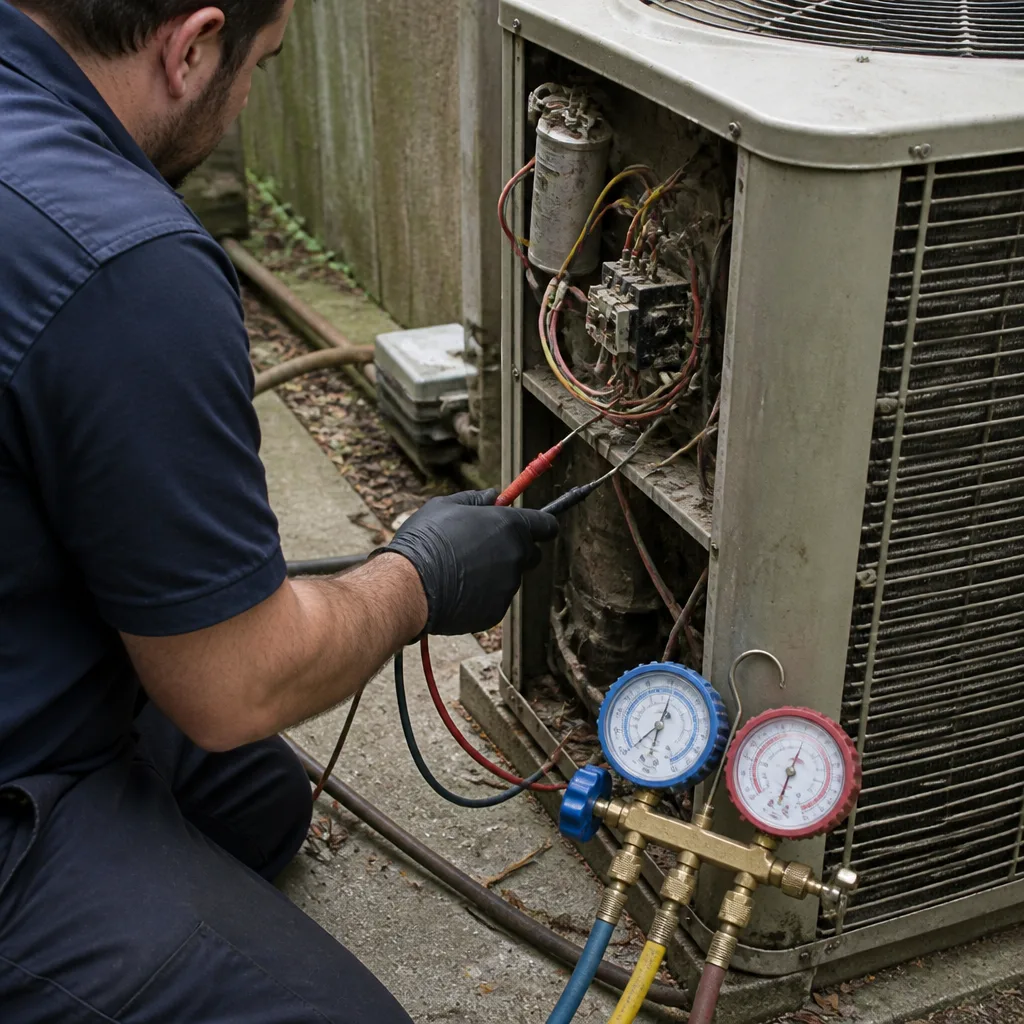 Before
 After
 Before
 After
 Before
 After