
Last updated November 16, 2026
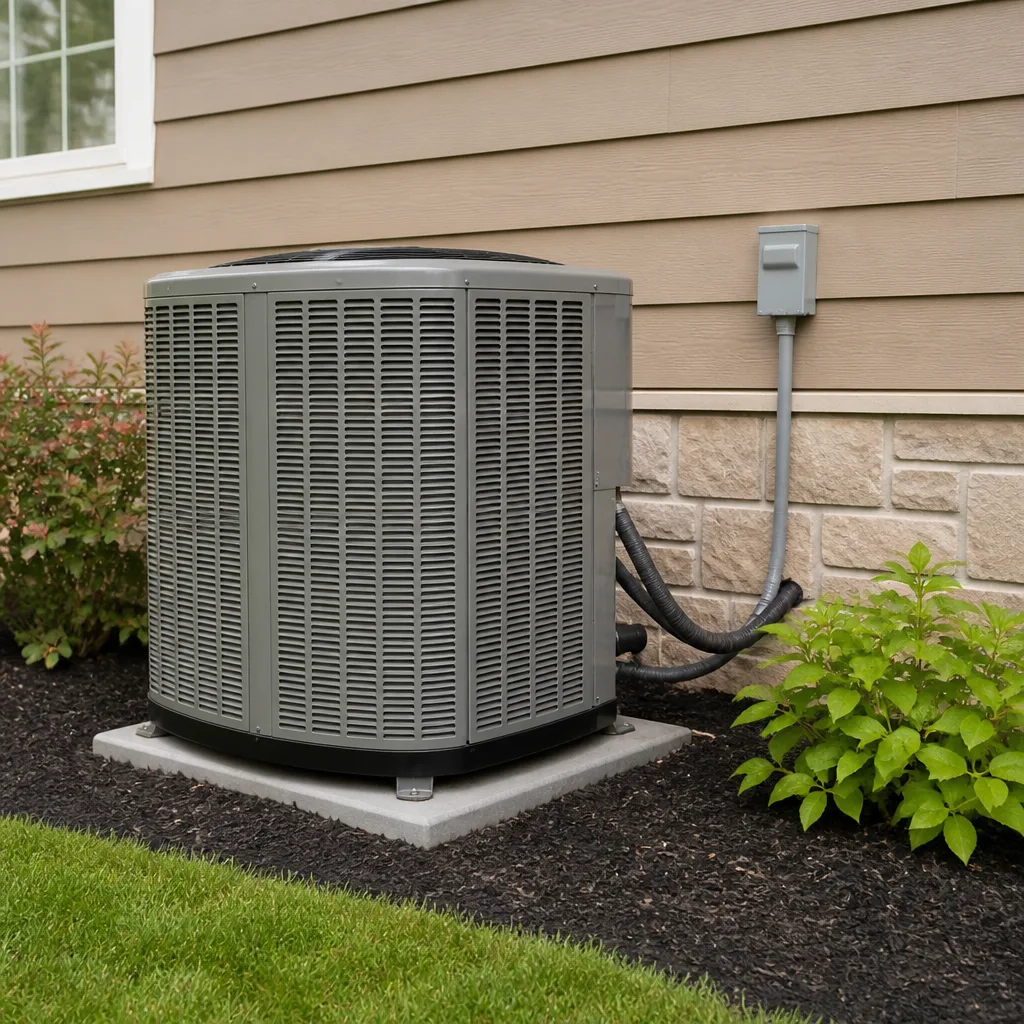 AC repair
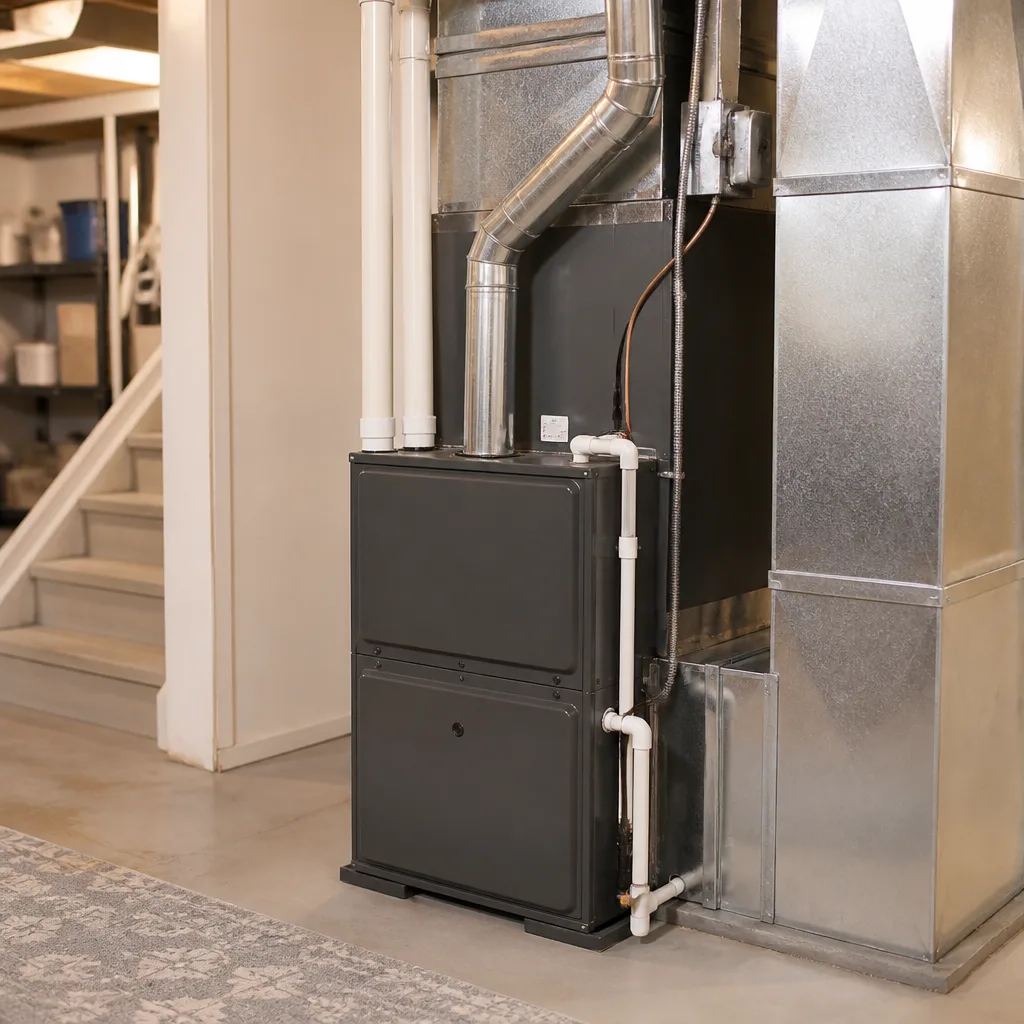 Furnace & heating
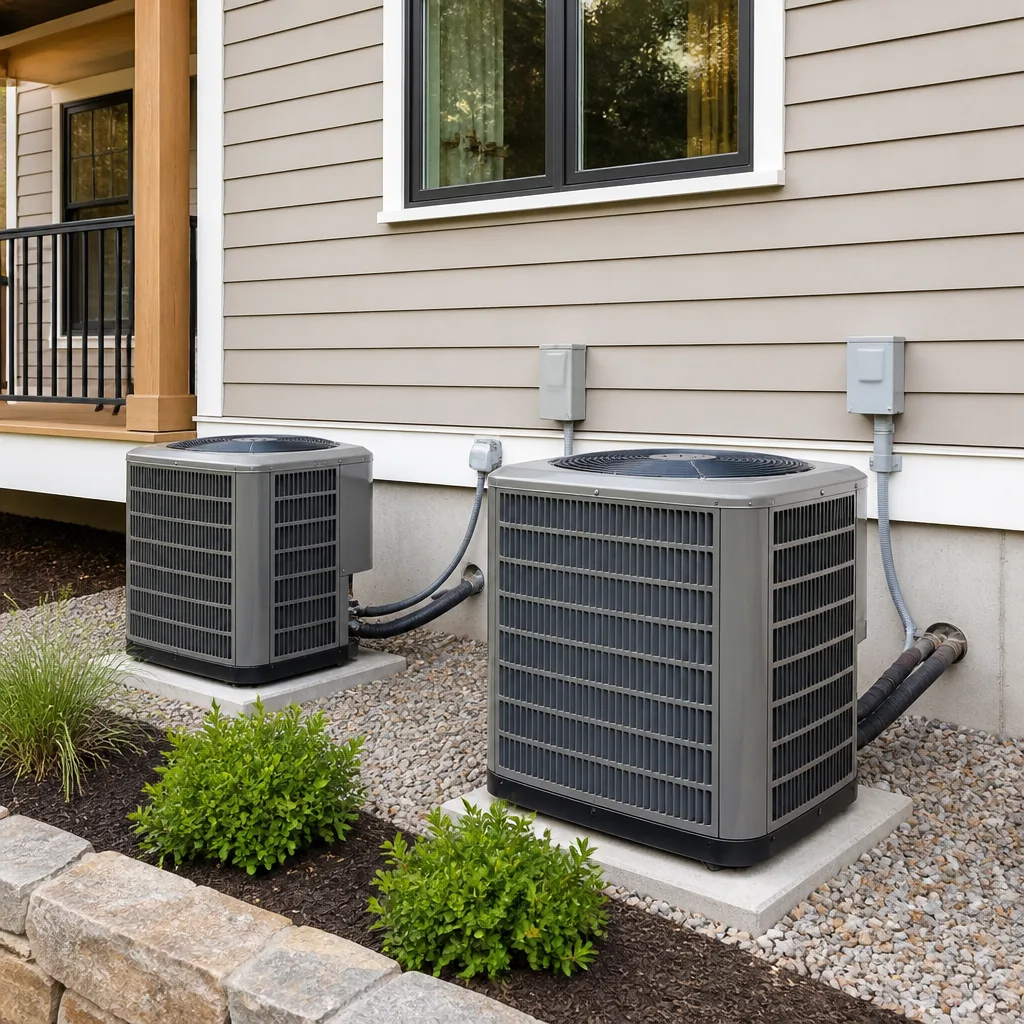 Heat pumps
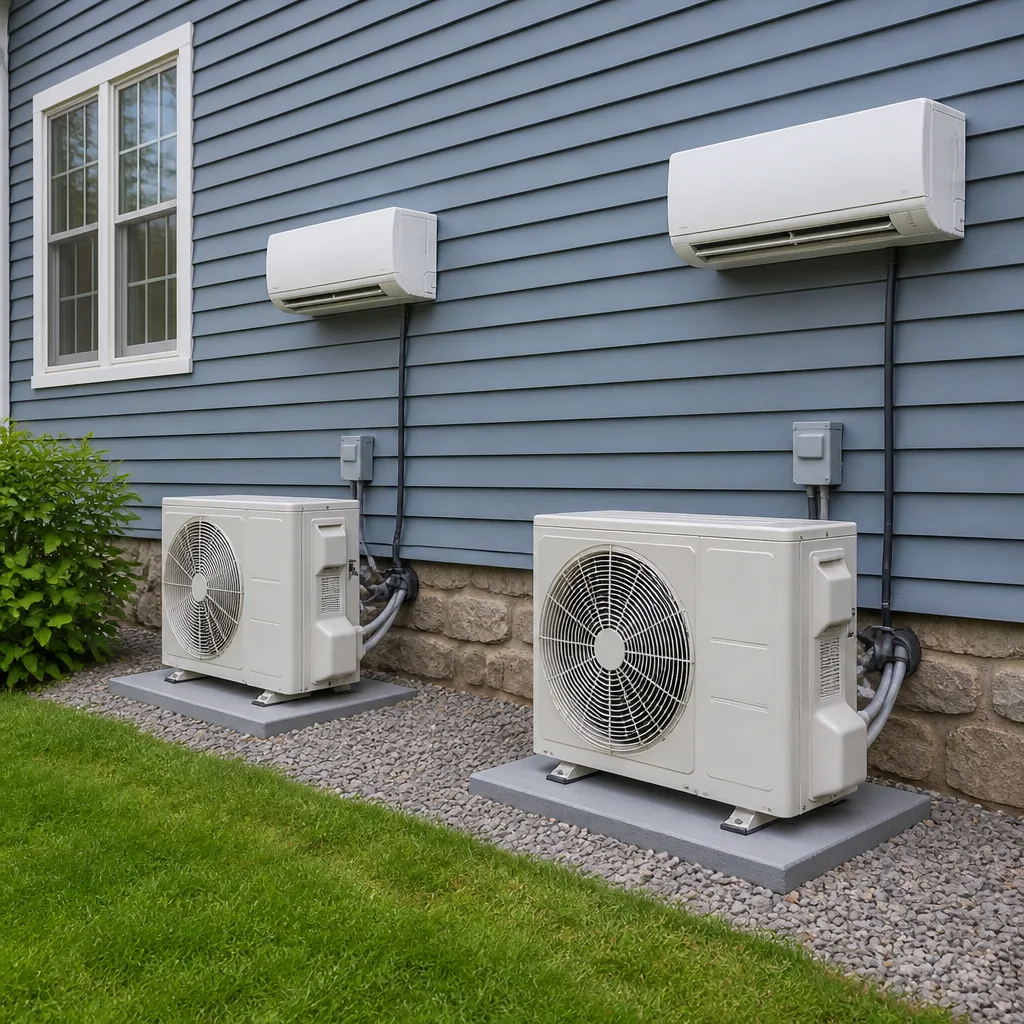 Ductless mini splits
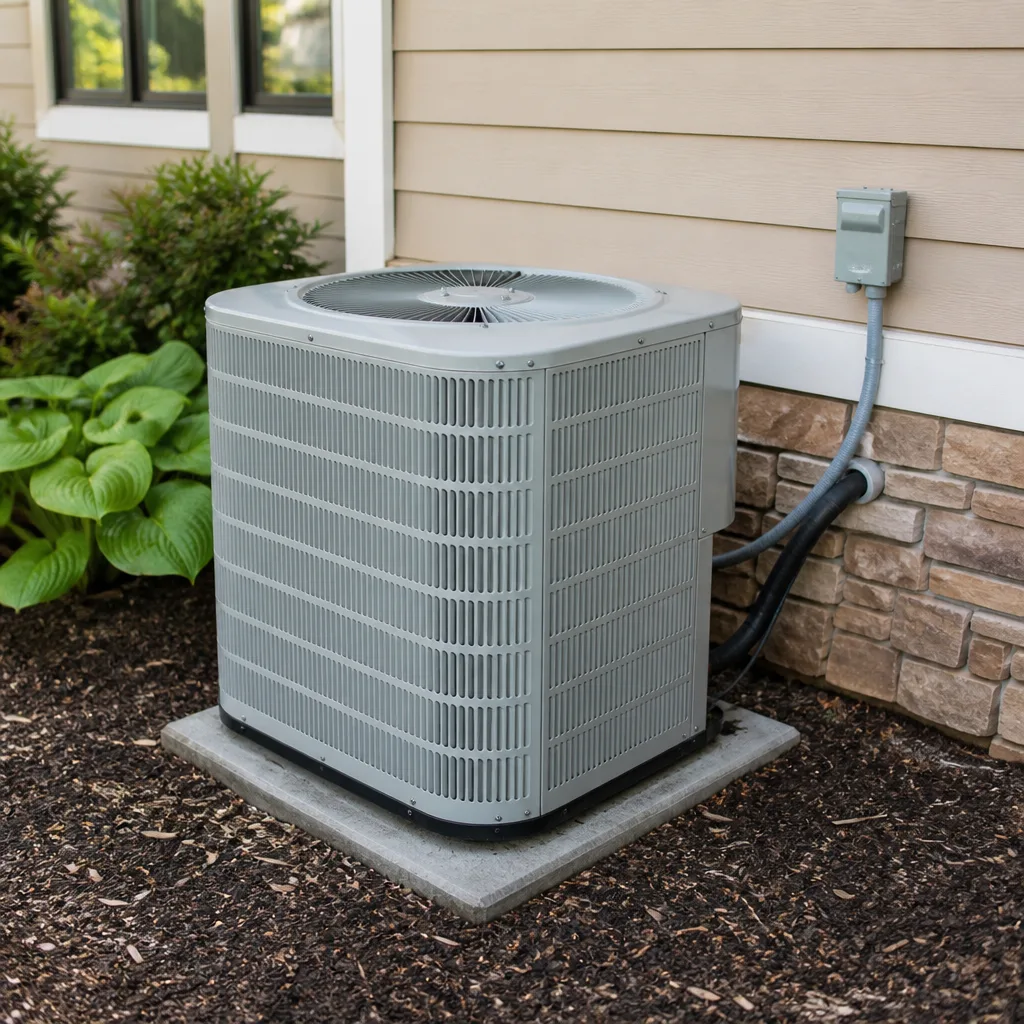 Carrier
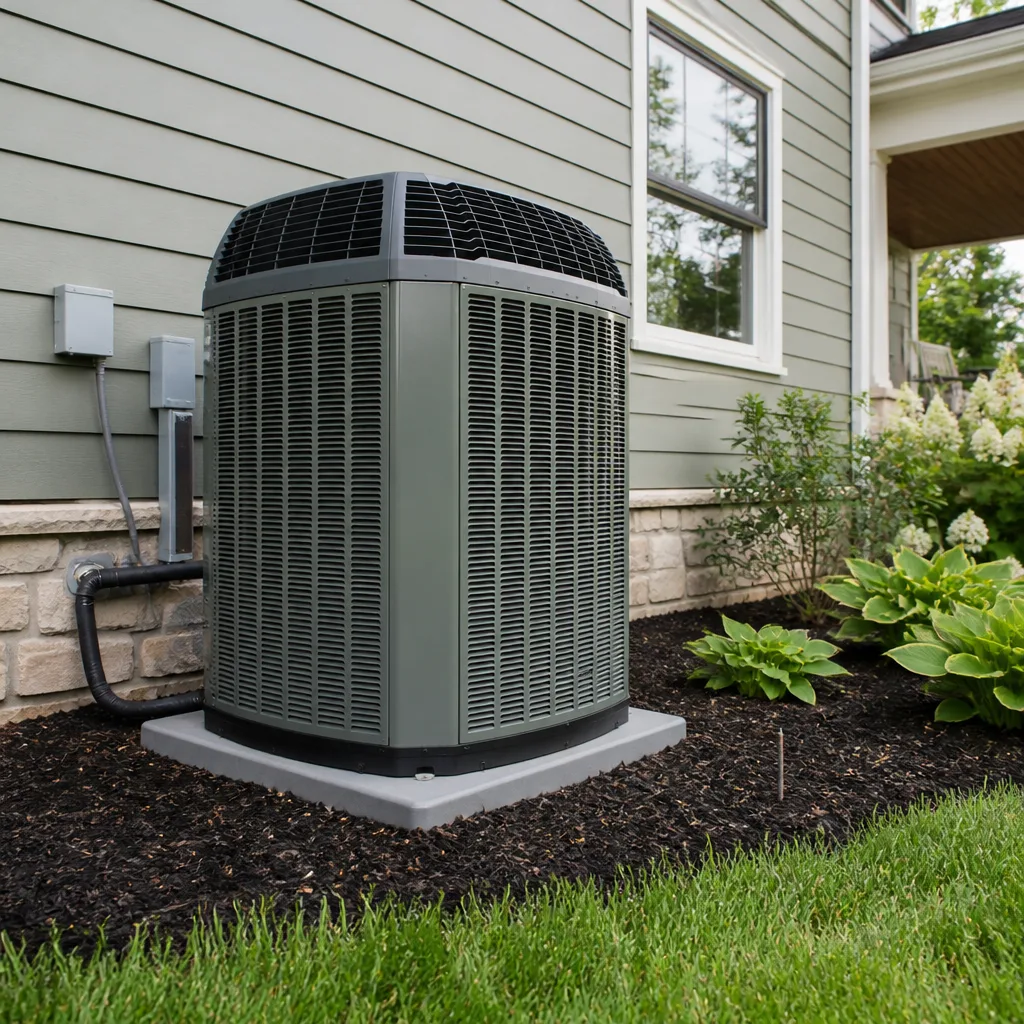 Trane
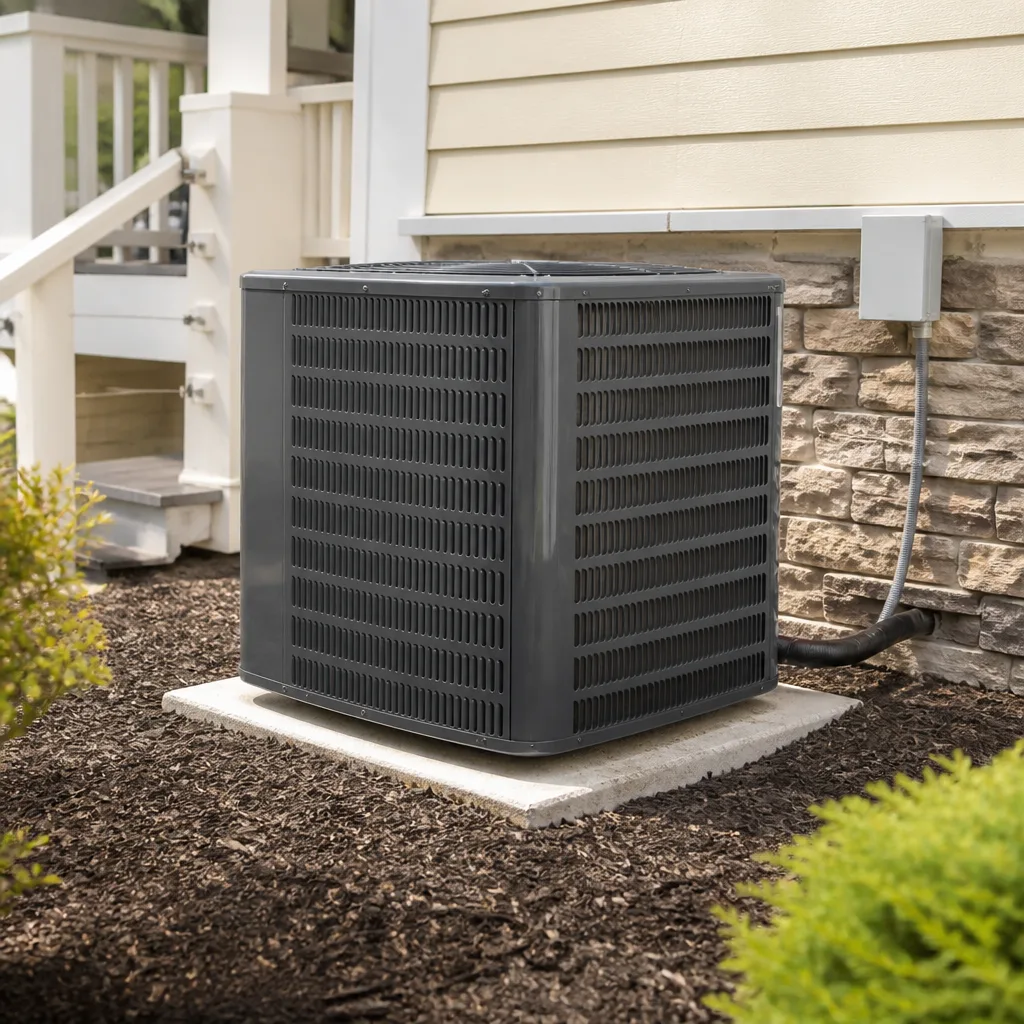 Goodman
Seasonal tune-up and full diagnostic on your Carrier, Trane, or Goodman system - readings shown to you before any repair is proposed
Diagnosis first, numbers second - you approve the repair price before a single part goes in.
Get your free estimateSeasonal HVAC Care for Grand Prairie: Year-Round Homeowner’s Guide
Most HVAC maintenance advice you’ll find online is written for a place that has four tidy seasons. Grand Prairie doesn’t. We get a long, punishing cooling season, a short heating season that sneaks up on people, and two narrow shoulder windows in spring and fall where the real work has to happen. Homeowners here tend to think of maintenance as a spring-and-fall checklist copied from a national article. It isn’t. An AC system that rolls into May without a pre-season check runs its hardest miles from June through September carrying dirty coils, low refrigerant, and a clogged drain line, and that’s how compressors fail early. This guide lays out a maintenance calendar built around Grand Prairie’s actual temperature curve, month by month, so you know what to check, what to leave alone, and when to call someone.
Quick Answer
In Grand Prairie, the highest-value HVAC maintenance happens in March (before the summer cooling marathon) and October (before the short heating season), with lighter checks in between. The single most important pre-summer tasks are cleaning the outdoor condenser coil, verifying refrigerant charge, and flushing the condensate drain line, because these three failures account for most mid-summer breakdowns in this climate. A short heating check in fall catches furnace problems before the first cold snap, when demand spikes and wait times grow.
Styles & brands we work with
- AC repair
- Furnace & heating
- Heat pumps
- Ductless mini splits
- Carrier
- Trane
- Goodman
Table of Contents
- Why Grand Prairie’s Climate Breaks a Generic Maintenance Schedule
- March: The Pre-Season AC Check That Actually Matters
- June Through September: Living With a System That Runs Ten-Hour Days
- Drain Lines and Condensate Pans: The Summer Failure Nobody Plans For
- October: Transitioning From Cooling to Heating Safely
- Dust, Allergens, and Highway Corridors: Why Filters Load Faster Here
- December Through February: The Short Heating Season
- Month-by-Month Task List for Grand Prairie Homeowners
Why Grand Prairie’s Climate Breaks a Generic Maintenance Schedule
Grand Prairie sits in a stretch of North Texas where summer heat arrives early and stays late. The cooling season here is long enough that your AC is often the hardest-working appliance in the house for a third of the year or more. The heating season, by contrast, is short and mild. That imbalance shapes everything about how you should maintain equipment in Grand Prairie.
A national maintenance article tells you to “service your AC in spring and your furnace in fall” and leaves it there. That advice assumes both systems share the load evenly. Here they don’t. Your AC will run far more hours per year than your furnace, which means the AC deserves more attention, more frequent filter changes, and a pre-season inspection that’s genuinely thorough rather than a quick glance.
Grand Prairie’s location along major highway corridors also matters. Traffic and the dust and particulate it kicks up settle on condenser coils and load up air filters faster than they would in a quieter suburb. That dust profile is part of why a maintenance calendar here has to be tighter than a generic one.
There’s a third factor: the shoulder windows. In spring and fall, there’s a stretch of days when you barely run either system. Those windows are your best chance to get maintenance done before demand spikes. When the first hot week hits, every HVAC company in the region gets busy at once. Booking your pre-season check in March, before the rush, means the work gets done on your schedule rather than in the middle of a heat wave.
If you’re new to the area or buying your first home here, get a baseline inspection first. Our Grand Prairie page explains how we approach a first visit and what we look at.
March: The Pre-Season AC Check That Actually Matters
March is the most important month on the Grand Prairie HVAC calendar. It’s the last reliable window before the cooling season locks in. A proper pre-season AC check is more than a filter swap, and it’s worth understanding what a technician should actually be doing versus what you can handle yourself.
What a technician should do during a March pre-season check:
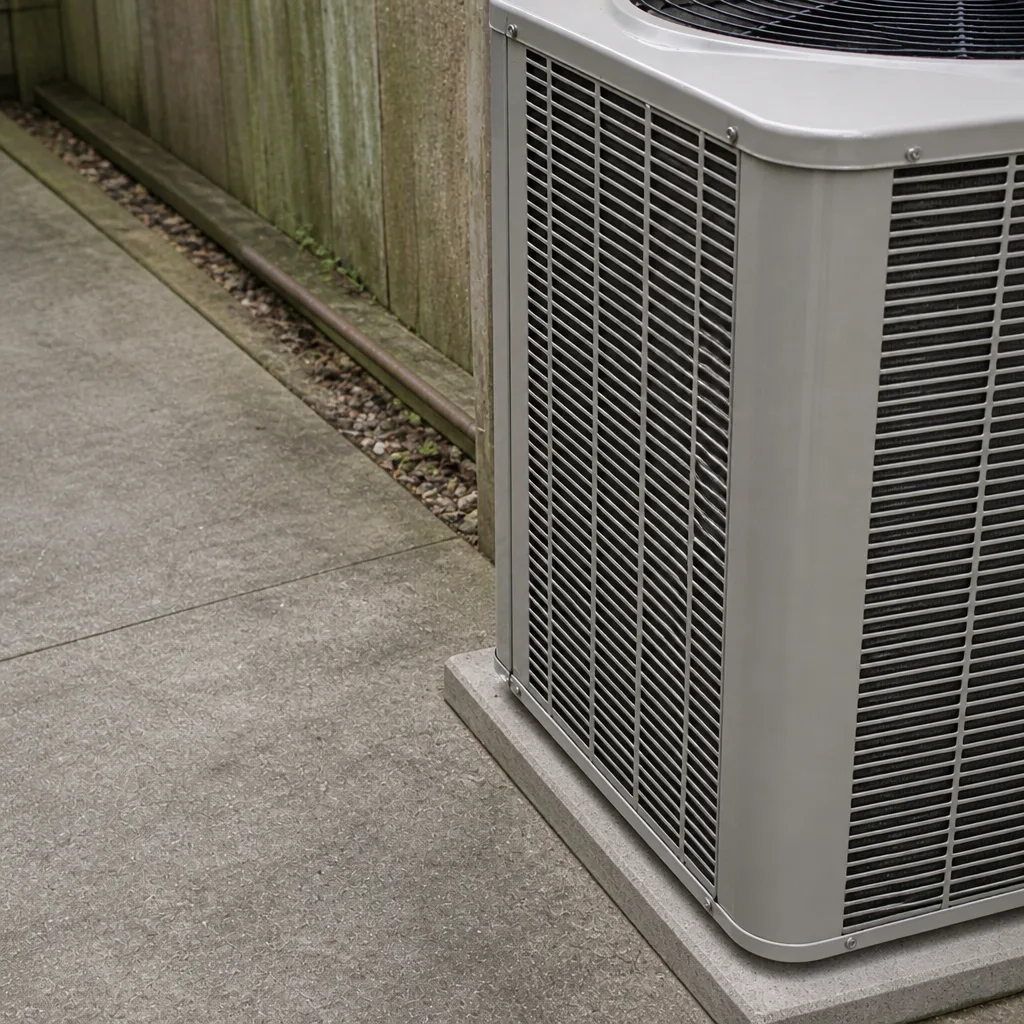
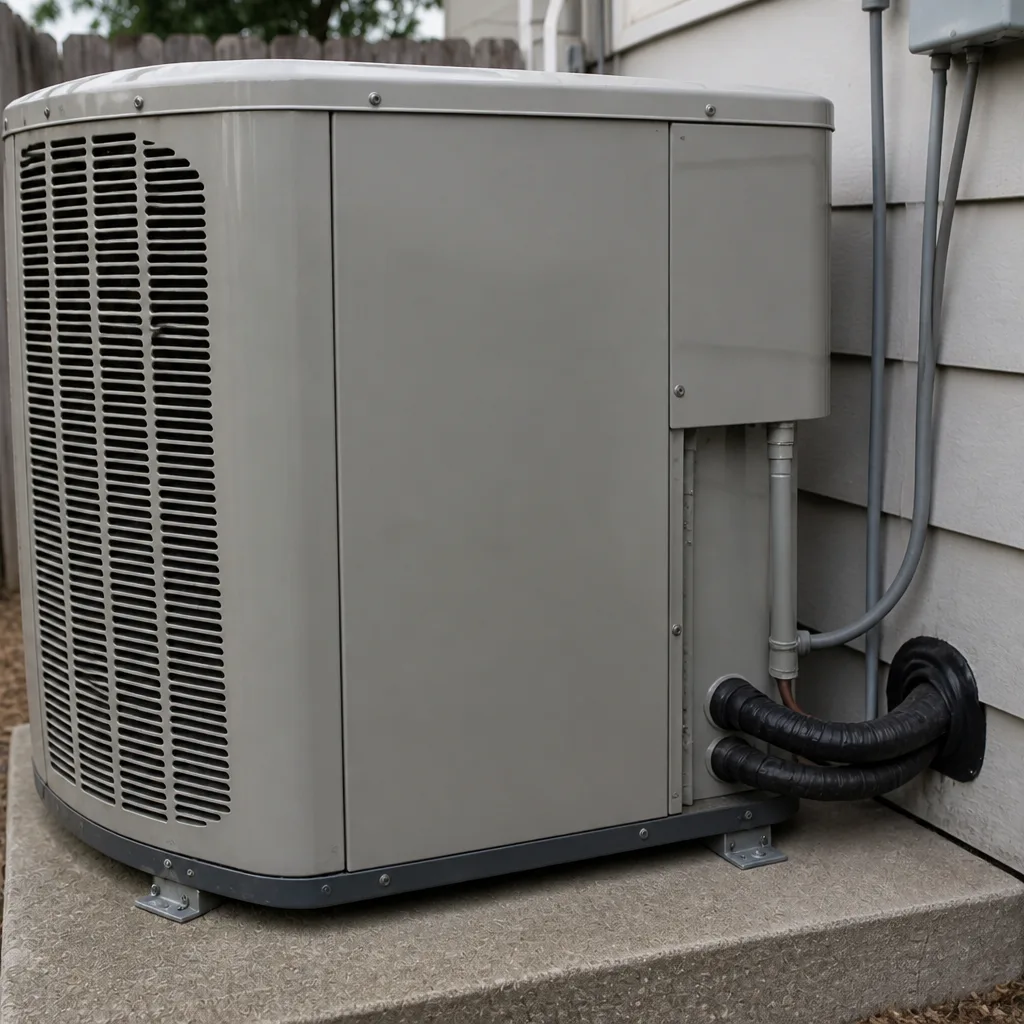
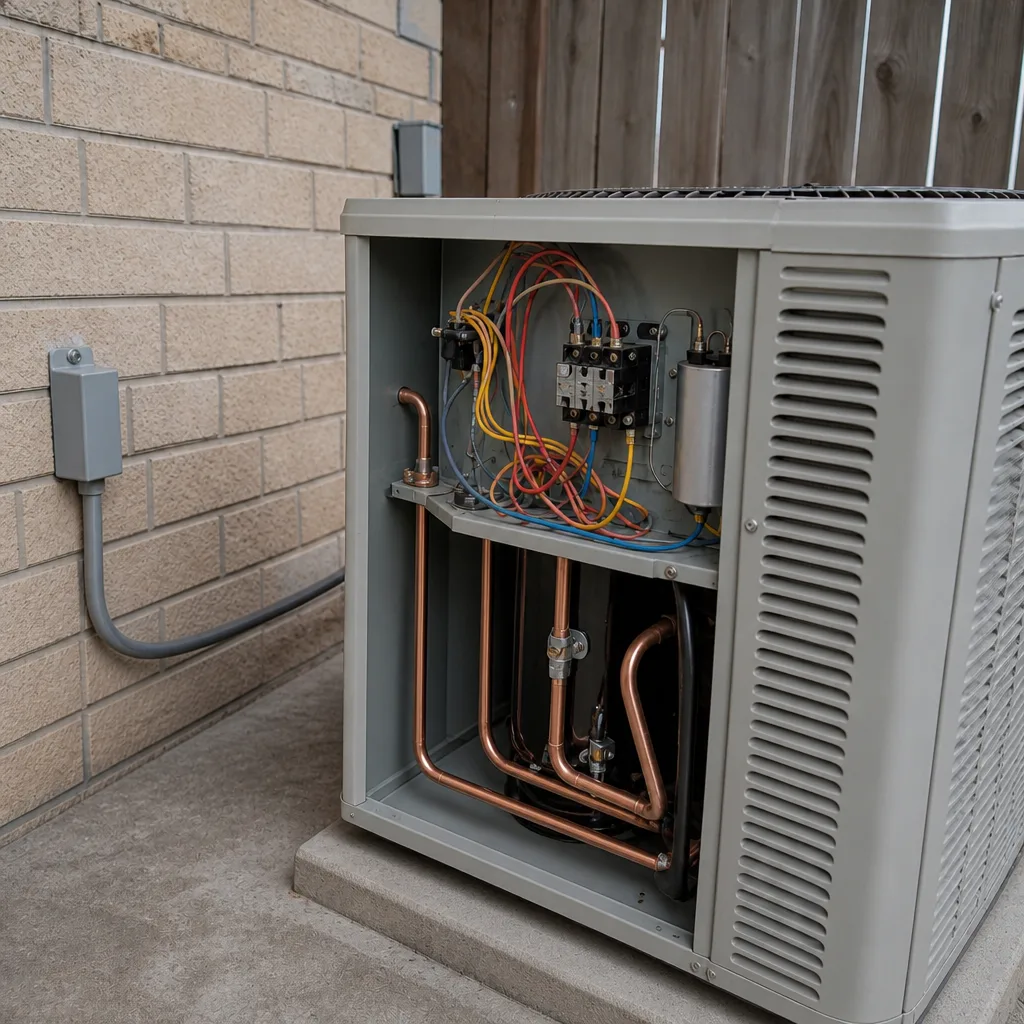
- Clean the outdoor condenser coil. Dust and debris from the surrounding months pack into the fins and force the compressor to work harder all summer. This is a coil wash, not a rinse.
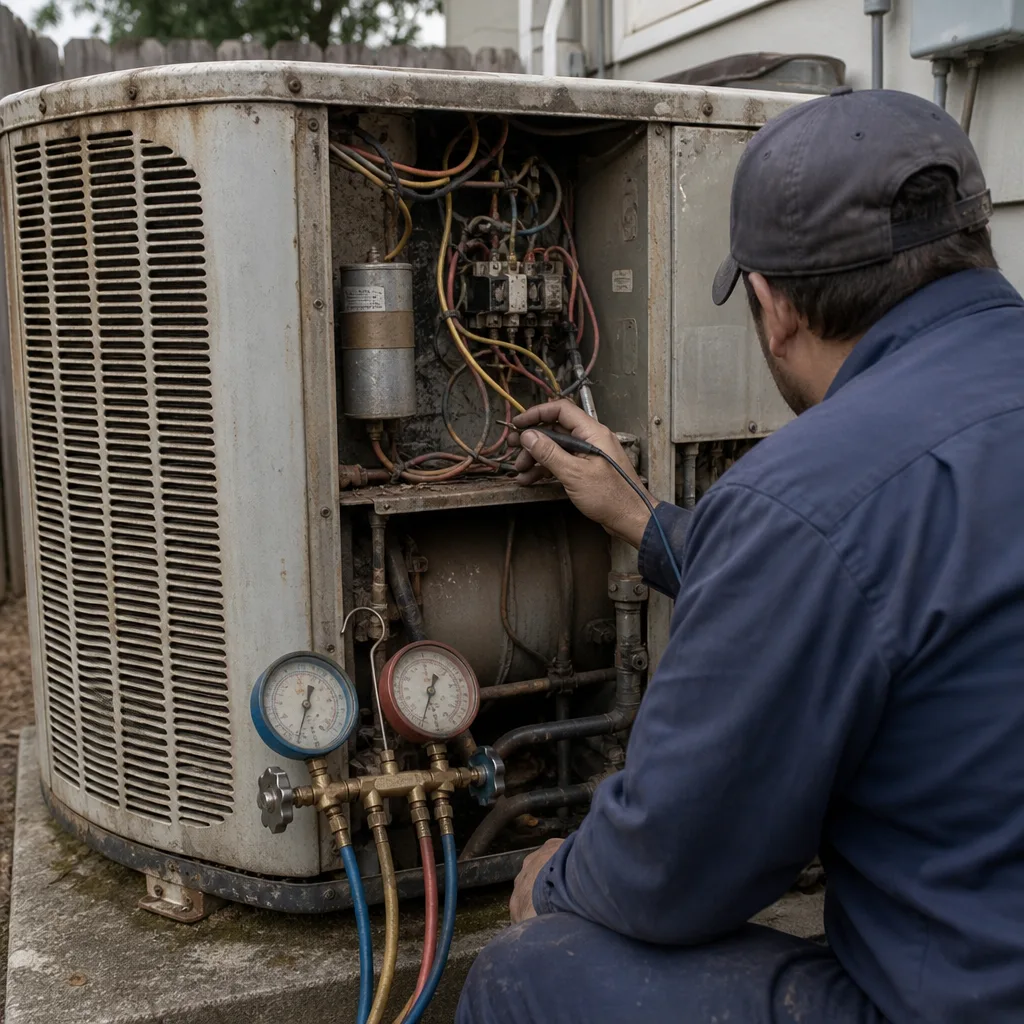
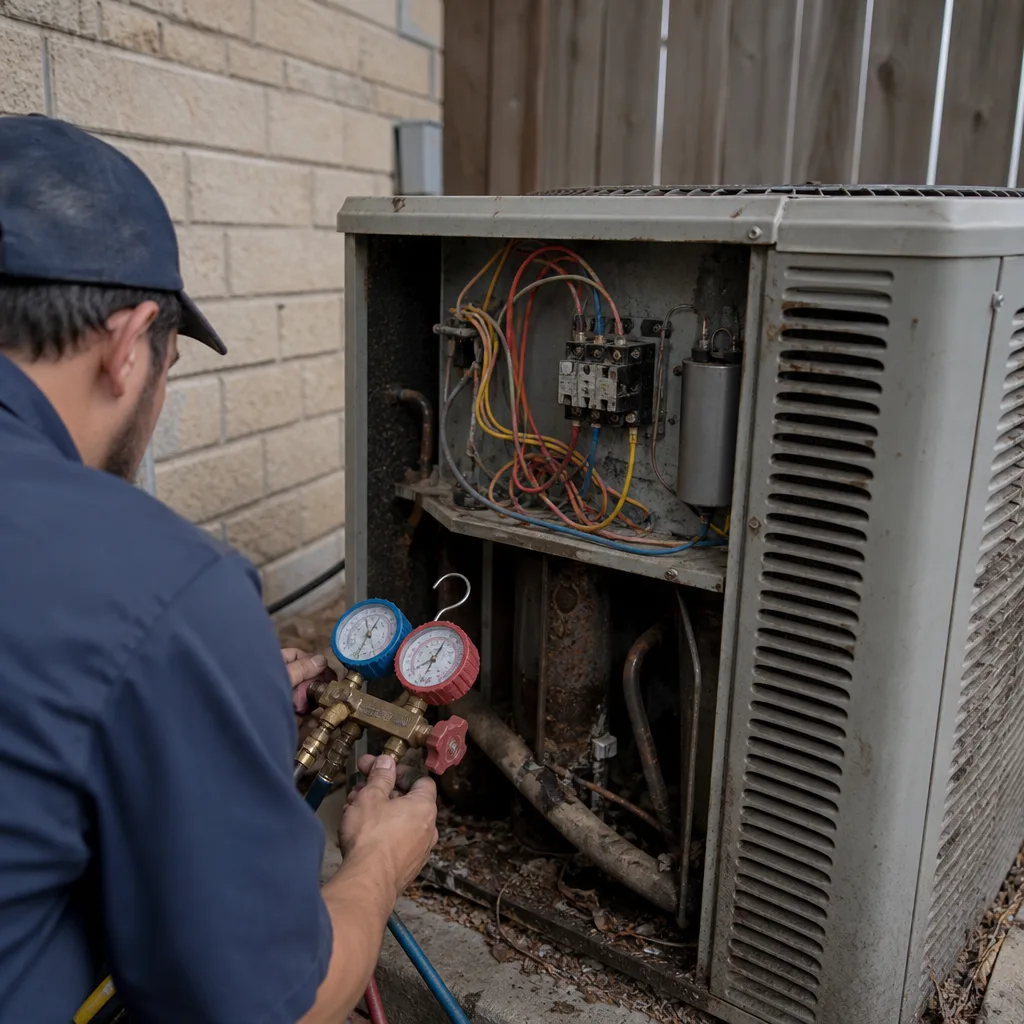
- Check refrigerant charge and pressures. A system that’s undercharged or overcharged runs inefficiently and stresses the compressor. This requires gauges and training; it isn’t a homeowner task.
- Inspect and flush the condensate drain line and pan. We’ll cover this in depth further down, but this is the check that prevents the most common summer emergency.
- Test the capacitor and contactor. These are the two electrical components that most often fail at the start of the cooling season, especially after a system has sat idle.
- Check the blower motor, belt (if applicable), and indoor coil for buildup.
- Verify thermostat calibration and confirm the system cycles properly through a full call for cooling.
What a homeowner can handle at the curb:
- Clear leaves, grass clippings, and debris from around the outdoor unit and give it at least a couple of feet of breathing room.
- Rinse the outdoor coil gently with a garden hose (low pressure, top down) if it’s visibly dusty. Don’t use a pressure washer; you’ll bend the fins.
- Replace the air filter. This one is yours to own, and in Grand Prairie during pollen season, that means checking it more often than the packaging suggests.
- Check that the condensate drain outlet outside is dripping freely and isn’t clogged or buried.
Anything involving refrigerant, electrical components, or opening up the equipment belongs to a technician. If you’re not sure when your system was last looked at, spring is the time to find out. We’re trained on nine major HVAC brands including Rheem, York, Daikin, and Bryant, so we know what a given system needs before we arrive. If a pre-season check turns into a decision about a system that’s near the end of its life, we’ll give you a straight answer rather than a default push toward the pricier option. Learn more about AC installation if you’re weighing that decision.
June Through September: Living With a System That Runs Ten-Hour Days
Once summer settles in, your AC in Grand Prairie is running long, hard days. This is not a period for major maintenance work; it’s a period for monitoring and quick response. The goal from June through September is to catch problems before they become breakdowns and to avoid stressing a system that has no margin left.
A few habits matter a lot in this window:
- Change the filter more often. In peak summer with high runtime, a filter that would last a month in a milder climate can load up in three weeks. Check it, don’t just swap it on a fixed schedule.
- Keep the outdoor unit clear. Grass grows, kids play, and debris accumulates. A blocked condenser coil in July is a much bigger problem than a blocked one in March.
- Watch for short cycling. If the system turns on and off every few minutes instead of running in longer, steadier cycles, something’s wrong. That’s a technician call, not a wait-and-see.
- Note any odd noises early. A grinding, screeching, or humming sound from the outdoor unit is a warning, not background noise.
- Don’t set the thermostat dramatically lower to cool faster. It won’t cool faster; it just runs longer at full load, which in extreme heat isn’t what you want.
If your system does fail in the middle of a Grand Prairie summer, that’s a health issue, not just an inconvenience. Extended heat exposure in a home without working AC is genuinely dangerous, especially for older adults and young children. When that happens, call us. We answer 24/7, and fast dispatch runs from 7am to 7pm, Sunday through Friday. If a system is struggling and you’re not sure whether it’s a repair or a replacement situation, we’ll evaluate it honestly. Our furnace repair page explains how we approach heating-side diagnostics for the same reason: straight answers before anything else.
Drain Lines and Condensate Pans: The Summer Failure Nobody Plans For
The condensate drain line is the single most overlooked component in a Grand Prairie AC system, and it’s the cause of a huge share of summer calls. Here’s why. When your AC runs ten-hour days in the heat, it’s pulling a lot of moisture out of the air, and that moisture has to go somewhere. It goes into the drain pan and out through the drain line. A line that handles a few hours of condensate a day in spring gets pushed hard in summer, and the accumulated dust, algae, and debris in the line can clog it.
When the drain clogs, the pan fills. Depending on your system, that triggers a float switch that shuts the system down (the good outcome, because it prevents water damage) or the pan overflows (the bad outcome, because it damages ceilings, walls, and flooring).
The standard advice is to check the drain line monthly. In Grand Prairie summer, monthly isn’t enough. During peak cooling season, we recommend checking the drain pan and line every couple of weeks. Here’s what to look for:
- Visible standing water in the pan means the line is restricted. Don’t run the system until it’s cleared.
- Water staining or soft spots around the indoor unit signal a slow overflow you may have missed.
- The outdoor drain outlet should be actively dripping during cooling. If it isn’t, the line may be blocked upstream.
- A musty smell near the indoor unit often means moisture is sitting where it shouldn’t be.
Flushing the line at the start of summer and again mid-season is worth doing, and a technician will do it during a pre-season check. But the two-week visual inspection through summer is something only you can do. It takes a minute and it prevents a class of water-damage repair that’s far more expensive than any maintenance call.
October: Transitioning From Cooling to Heating Safely
October in Grand Prairie is the shoulder season, and it’s where the climate here differs most from a four-season guide. It’s entirely possible your AC is still running in early October and your furnace doesn’t get real use until November. That transitional window is your chance to prepare the heating side before it’s needed, and it’s also where people make mistakes.
The biggest mistake is turning on a furnace that hasn’t run since last winter without a check, on the assumption that a short heating season means a short checklist. A furnace that’s been idle for months can have a cracked heat exchanger, a clogged burner, or a failing igniter, and none of that announces itself until you need heat.
A proper fall transition involves:
- Test the heat early in October. Turn the thermostat to heat for a few minutes on a mild day. If it doesn’t fire, you have weeks to address it rather than hours.
- Get a cooling-to-heating inspection. A technician will check the heat exchanger, burners, igniter, and flue on the heating side. Because we cover both cooling and heating under one roof, the same visit can confirm your cooling side is fully shut down for the season. On a Rheem or York system, the specific components and check sequence differ, and knowing the equipment matters.
- Replace the filter. If you’ve been running the same filter through summer, swap it. A dirty filter that was borderline in cooling becomes a real problem in heating.
- Check the flue and combustion air intake. A blocked flue is a serious safety issue. This is a technician check, not a homeowner one.
- Test carbon monoxide detectors. This is a simple, non-negotiable task on the fall list. If you don’t have detectors near the furnace and on each sleeping level, add them.
Safety note: the heat exchanger and combustion components of a furnace are genuinely dangerous to inspect or service without training. A cracked heat exchanger can allow carbon monoxide into your home’s air. Don’t attempt to open a furnace cabinet or clean burners yourself. Have a trained technician check the heating system before you rely on it.
Dust, Allergens, and Highway Corridors: Why Filters Load Faster Here
Grand Prairie’s dust and allergen profile is heavier than a generic maintenance schedule accounts for. Between the highway traffic that runs through and near the city and the seasonal pollen that North Texas produces, both your air filter and your indoor coil take on more load per month than the box on the filter suggests.
The practical consequences are concrete. A filter that would give you a comfortable month in a lower-traffic environment can clog in two to three weeks during heavy pollen season or in high-runtime summer. The indoor coil, if the filter is consistently dirty, collects the particulate that gets past it, and a fouled indoor coil is far harder to clean than a filter is to replace.
What to do about it in Grand Prairie:
- Check the filter, don’t just schedule the swap. Look at it. If it’s visibly loaded, replace it regardless of how recently you changed it.
- Expect a heavier filter load in spring pollen season and again in summer high-runtime months. Those are the two periods to check most often.
- Keep windows closed during high-pollen days. It reduces both the indoor dust load and how fast your filter fouls.
- Have the indoor coil inspected at pre-season. By the time a fouled coil shows up as poor cooling, the buildup has been there a while.
For homeowners with allergies, the pattern matters as much as the filter. A well-maintained system keeps the filter doing its job by not forcing the coil to absorb what the filter can’t catch. That single habit does more for indoor air quality than any aftermarket gadget. If your system has been running on dirty filters for a while, an inspection is worth it. Our team at Stallion AC Repair can tell you whether the coil needs cleaning or the equipment is simply due for attention.
December Through February: The Short Heating Season
The heating season in Grand Prairie is short, and that’s precisely why homeowners ignore it. The thinking goes: it’s mild, it’s brief, what could go wrong? The answer is that a brief season still includes the occasional hard freeze, and a furnace that fails in January is a real problem with real wait times, because everyone else’s furnace is struggling at the same moment.
The winter maintenance tasks here are light, but they matter:
- Watch the forecast. A short heating season means the coldest nights come without much warning. Know how to run your system before you need it.
- Check the filter once more. If you’ve kept up with it through summer and fall, one more check mid-winter closes the loop.
- Listen for the furnace. A short heating season compresses a year of wear into fewer months. Any new noise, smell, or short circuit should be noted and addressed rather than shrugged off.
- Keep an eye on any exterior pipe insulation near the system, if your setup has it. Mild winters aren’t zero-risk winters.
If your furnace does need service in the middle of a winter night, call and we’ll book it into the next opening, Sunday through Friday, 7am to 7pm. We answer 24/7. The important thing is to notice problems during the mild stretches so that the few genuinely cold days don’t catch you with a non-functioning system.
Month-by-Month Task List for Grand Prairie Homeowners
Here’s the calendar compressed into one reference list, calibrated to what Grand Prairie actually experiences rather than a national schedule.
- January: Filter check mid-season; furnace listen-and-inspect; note any odd behavior to address in the next mild window.
- February: Start thinking about spring. If last summer was rough on the AC, book a pre-season check early.
- March: Pre-season AC check. Coil clean, refrigerant check, capacitor and contactor check, drain line flush, first filter change of the season.
- April: First heavy pollen window. Check the filter more often than the box says. Clear debris from around the outdoor unit.
- May: Final check before the cooling season locks in. Confirm the outdoor unit is clear and the drain line is flowing freely.
- June: Cooling season in full swing. Filter checks every couple of weeks; drain pan and line visual check every two weeks; watch for short cycling.
- July: Peak demand. Filter checks every two weeks. Any odd noise or cooling shortfall is a call now, not a wait.
- August: Same discipline as July. This is the month where deferred maintenance shows up as a breakdown.
- September: Late cooling season. Keep filters up; watch for the first signs of heating-side issues as the shoulder approaches.
- October: Cooling-to-heating transition. Test the furnace early; schedule the heating inspection; replace the filter; test carbon monoxide detectors.
- November: Heating season begins in earnest. Filter check; monitor the furnace; address any fall inspection findings while they’re small.
- December: Winter maintenance. Filter check; furnace watch; note any behavior that should be addressed before the next cold snap.
That’s the whole calendar. The pattern is simple: front-load the heavy work in March and October, tighten the filter and drain habits in the two high-runtime stretches, and keep the winter light. It’s not complicated, but it’s not a generic checklist either.
Common Mistakes to Avoid
- Treating spring and fall as interchangeable. In Grand Prairie, spring is the AC’s most critical pre-season window and fall is the heating-side window. Doing them backward, or skipping one, leaves a system underprepared for the season it’s actually about to face.
- Waiting for the first hot week to book service. The pre-season check works because it happens before demand spikes. Booking in March gets you scheduled; booking in June gets you in line behind every system in Grand Prairie that failed on the same day.
- Checking the drain line monthly in summer. Once the AC is running ten-hour days, monthly isn’t enough. The two-week visual check is what catches a clog before it becomes a water-damage repair.
- Ignoring the filter schedule because the packaging says a month. In Grand Prairie’s dust and pollen profile, the right answer is to look at the filter rather than trust the box. Heavy pollen and high-runtime months demand more frequent checks.
- Skipping the furnace check because winters are short. A short heating season doesn’t mean a safe one. A furnace that fails during the first cold snap has the same consequence as one that fails anywhere.
- Turning on the furnace in October without a test on a mild day. Test the heat when the weather is forgiving, and you have weeks to fix a problem. Test it when you need it, and you have hours.
- Assuming a pre-season check is a filter swap. A real check involves coil cleaning, refrigerant verification, electrical component tests, and a drain flush. If a service doesn’t include those, it isn’t doing the job the season actually demands.
See the difference
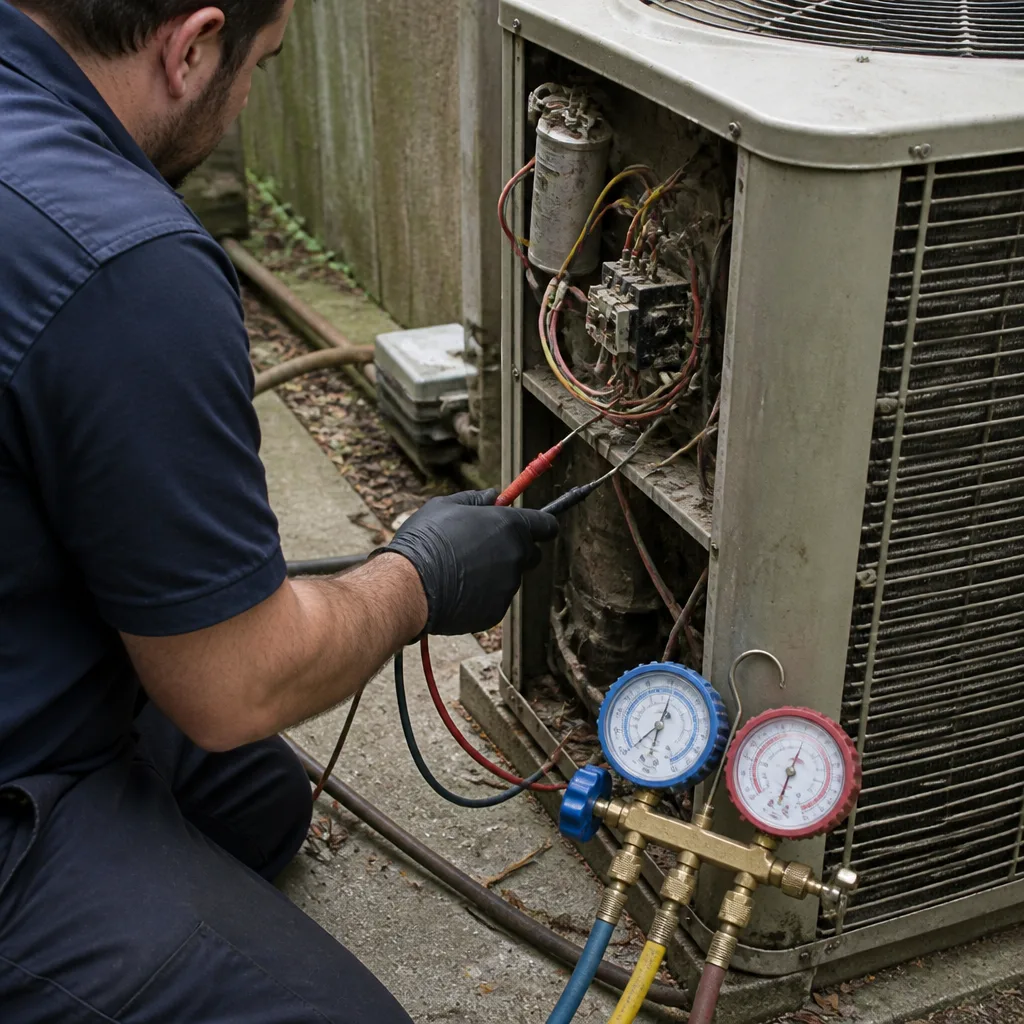 Before
 After
 Before
 After
 Before
 After
When to Call a Professional
Some maintenance tasks are yours. Some are not. Call a professional when the work involves refrigerant, electrical components inside the equipment, the heat exchanger, combustion parts, or the indoor coil. Call us the moment your system short cycles, blows warm air, makes grinding or screeching noises, or leaves water in the drain pan. Call before the cooling season ramps if your system has never had a pre-season check, and call before the heating season if you’ve never had a heating-side inspection. Call if the filter is dirtier than expected on a short interval, because that can indicate a coil problem upstream. If a system is old and you’re not sure whether it needs repair or replacement, call for an evaluation rather than guess. Stallion AC Repair offers free estimates in Grand Prairie. Call (866) 942-9965.
Frequently Asked Questions
Once a year for a full pre-season check in March, plus homeowner-level filter and drain checks throughout the summer. Grand Prairie’s long cooling season means the AC works harder per year than equipment in a milder climate, so the pre-season check isn’t optional. It’s the thing that prevents the breakdown the summer would otherwise cause. Call (866) 942-9965 if you’re ready to schedule yours.
Yes, and the reason is timing. A short heating season still includes the occasional cold snap, and a furnace that fails then is a problem with real wait times, because demand spikes at the same moment. An October heating-side inspection catches issues in the mild window when they’re small. Call us to schedule a heating check before you need the heat.
Because heavy summer runtime pulls a lot of moisture out of the air, and that moisture carries dust and debris that can accumulate in the line. The fix is simpler than the problem: flush the line before the season and inspect the pan every couple of weeks during the high-runtime months. If the line clogs repeatedly, a technician should clear it properly rather than you working at it yourself.
Check it more often than the packaging says, because Grand Prairie’s dust and pollen load is heavier than in lower-traffic areas. In pollen season and high-runtime summer months, expect to check every couple of weeks and replace based on what you actually see. Call (866) 942-9965 if you’re not sure what a loaded filter should look like.
The March pre-season AC check. Coil cleaning, refrigerant verification, capacitor and contactor checks, and a drain flush all in one visit. Doing that before the cooling season begins is what makes the difference between a system that gets through summer and one that fails in August. Call (866) 942-9965 to book it before the spring rush.
Yes, if you schedule at the right times. The March check covers cooling, and the October check covers heating. Because we work on both sides of the system, you’re not juggling two contractors. Call (866) 942-9965 to schedule both, and we’ll get you on the calendar for the right window.
The Bottom Line
Grand Prairie doesn’t run on four seasons. It runs on a long cooling season, two narrow shoulder windows, and a short heating season that catches people unprepared. A maintenance calendar built around that actual pattern protects equipment better than any generic spring/fall checklist, because it puts the heavy work where the seasons demand it. Front-load the AC check in March and the heating check in October, tighten your filter and drain checks through the summer, and keep the winter light. If you do those four things, you’ll get years more life out of your system than a homeowner following a national article ever will. When you want the specialized checks done by someone who knows the brand, call us.
Ready to get ahead of the season? Call (866) 942-9965 for a free estimate. We answer 24/7. Fast dispatch, 7am-7pm, Sunday through Friday. If you’d like more detail about our services in the area, visit our Grand Prairie page.
Written by the team at Stallion AC Repair.