
Last updated November 16, 2026
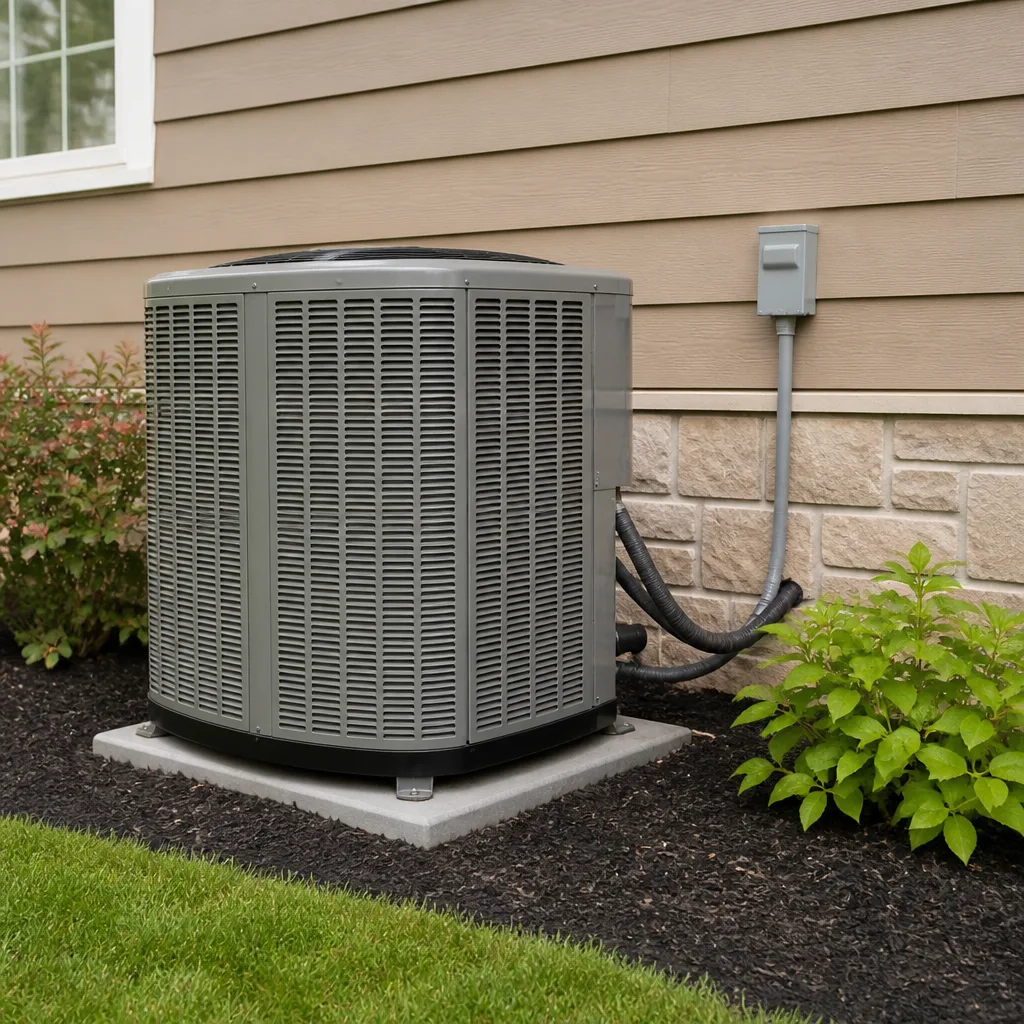 AC repair
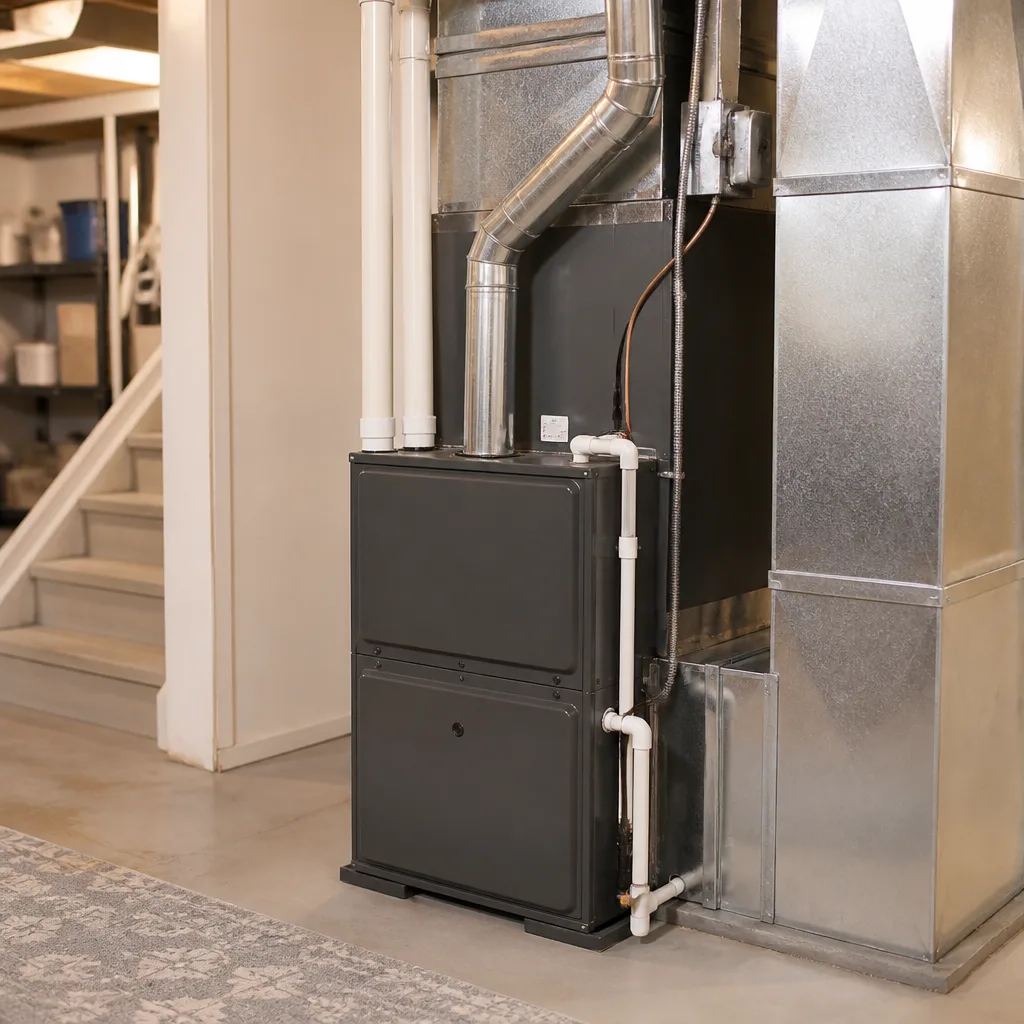 Furnace & heating
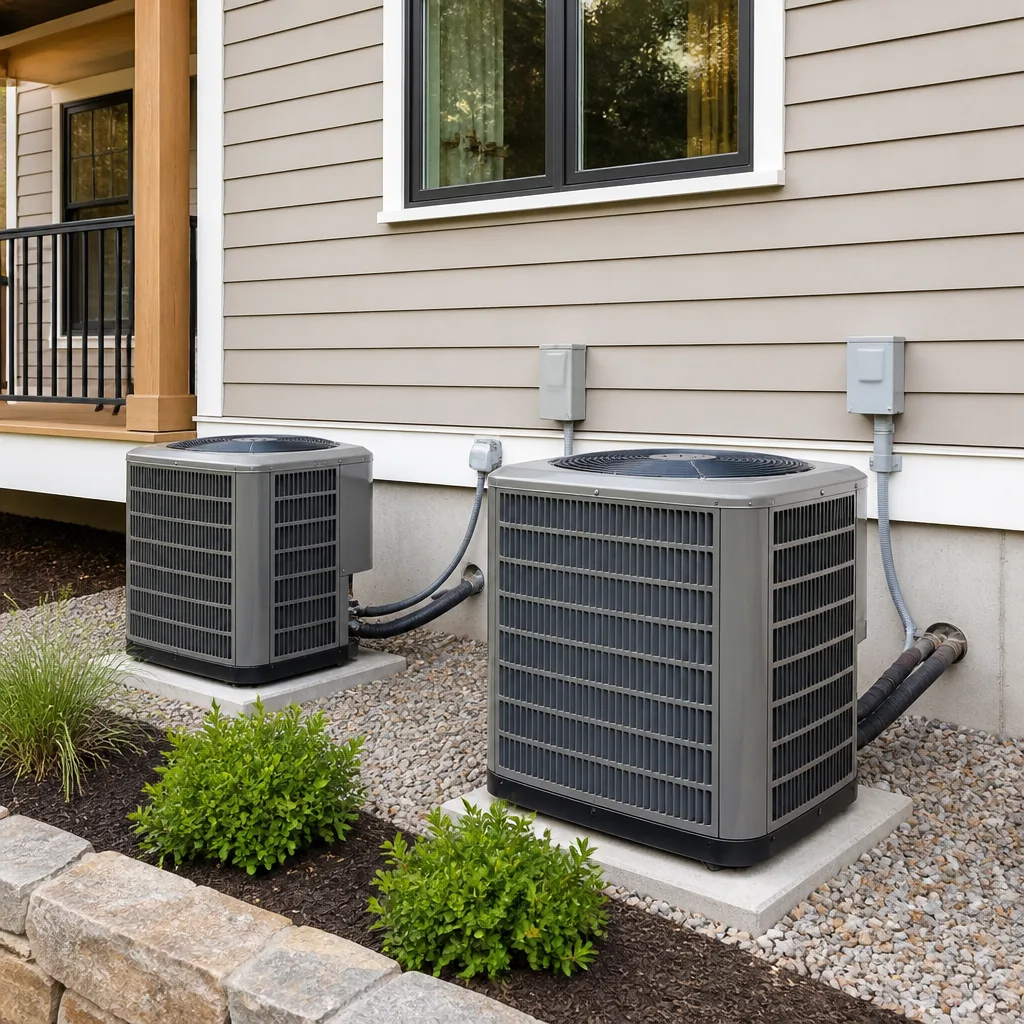 Heat pumps
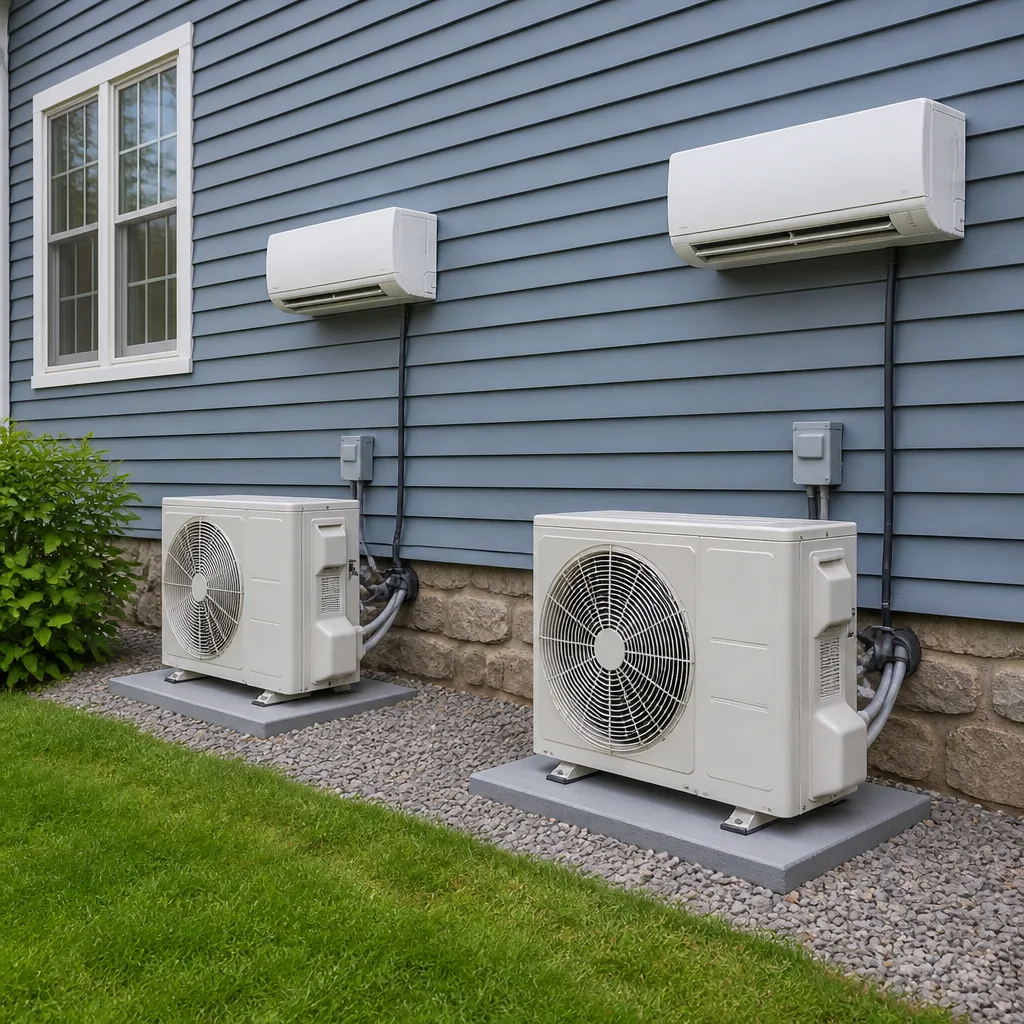 Ductless mini splits
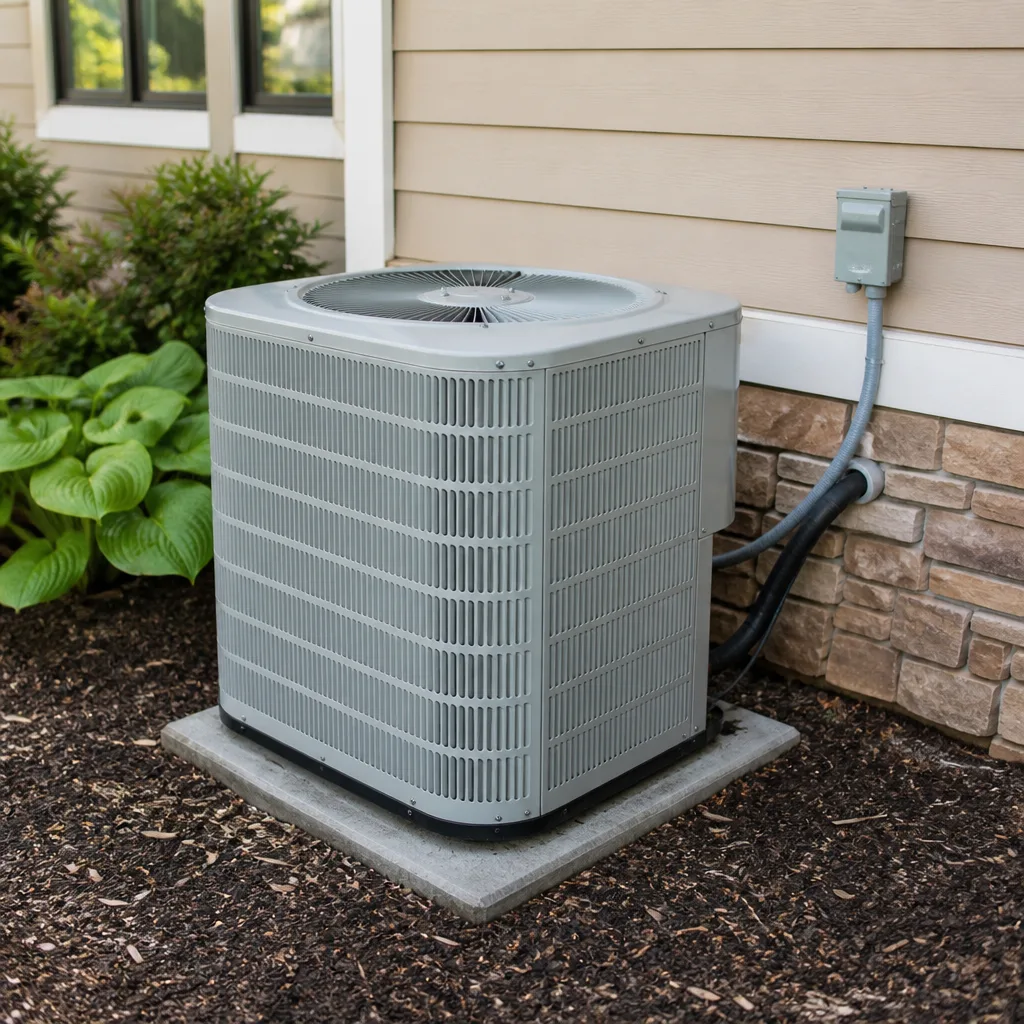 Carrier
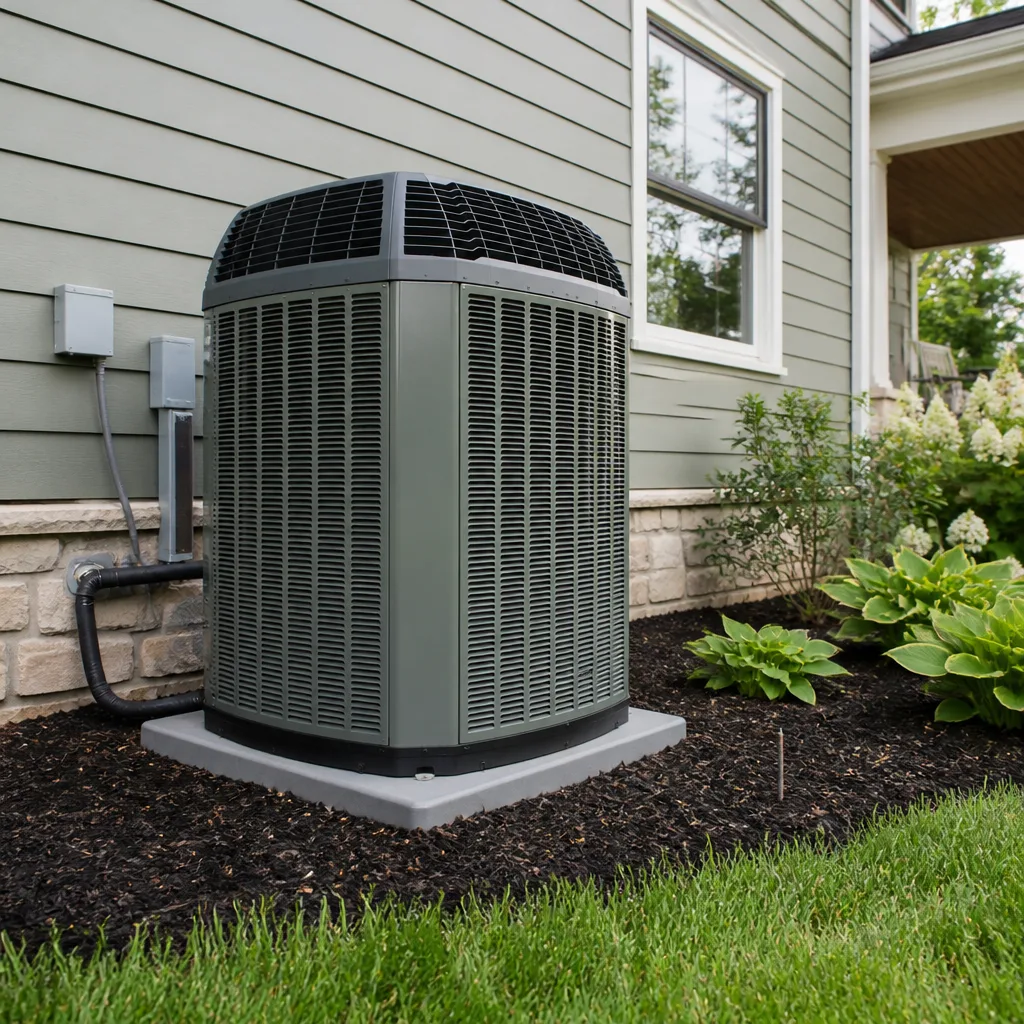 Trane
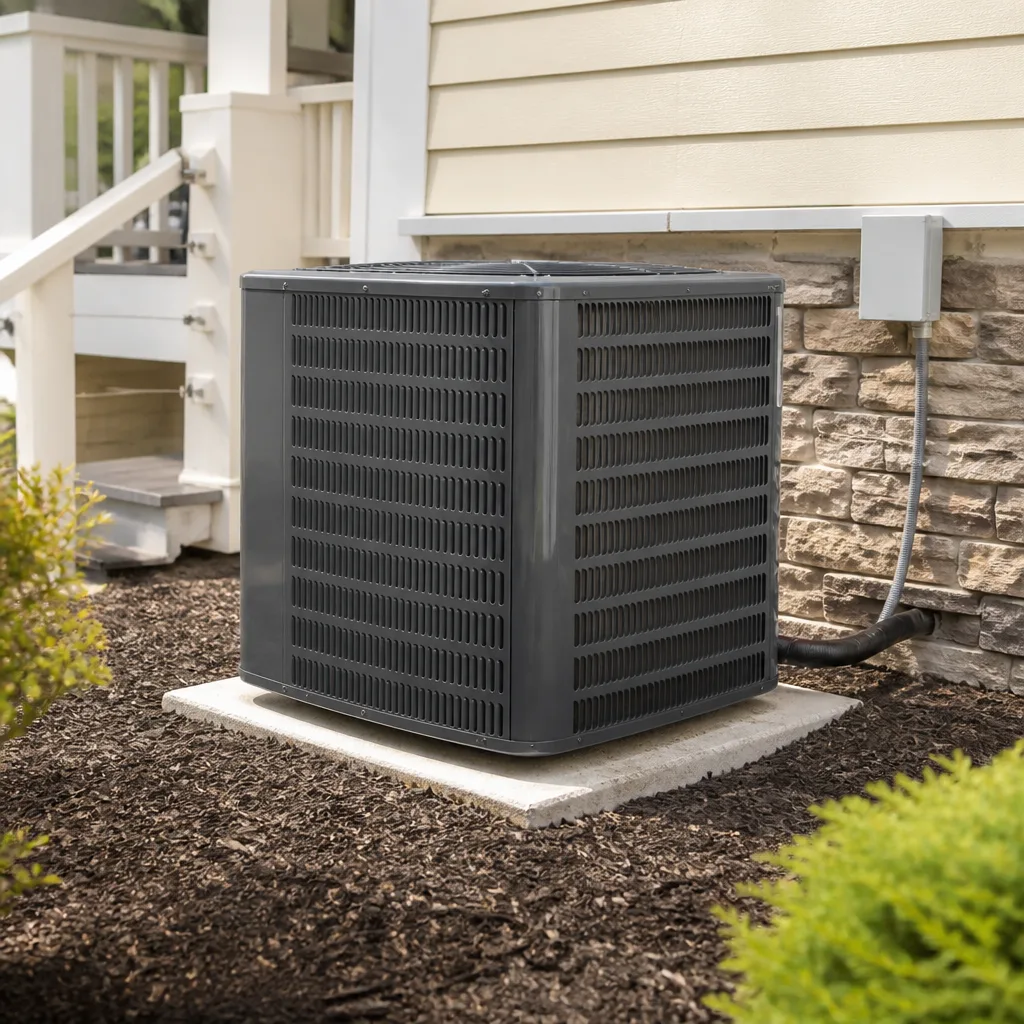 Goodman
Seasonal tune-up and full diagnostic on your Carrier, Trane, or Goodman system - readings shown to you before any repair is proposed
Diagnosis first, numbers second - you approve the repair price before a single part goes in.
Get your free estimateChoosing the Right HVAC Brand: A Buyer’s Guide for Grand Prairie
The brand that tops national consumer surveys is often the same brand whose replacement parts sit in a DFW distributor’s warehouse for a week or more before they reach your driveway. That gap between reputation and reality is the whole ballgame when your system dies in August. A failed control board doesn’t care about a magazine ranking. It cares whether a technician can put hands on the part today. This guide is about how to pick equipment for how it will actually live in Grand Prairie – how it handles the long cooling season, whether your ducts can feed it, who trains on it, and what the warranty quietly leaves out.
Quick Answer
There’s no single best HVAC brand for Grand Prairie. The right pick depends on three things that actually drive long-term cost: how fast local distributors can supply parts for that brand, whether local technicians are trained on it, and whether the product line fits your home’s size and duct layout. A mid-tier single-stage unit on properly sized ducts will outperform a premium variable-speed system strangled by undersized ductwork every time. Brand names matter less than those three factors.
Styles & brands we work with
- AC repair
- Furnace & heating
- Heat pumps
- Ductless mini splits
- Carrier
- Trane
- Goodman
Table of Contents
- Why Brand Reputation Isn’t the Same as Brand Performance
- The Five-Minute Parts Availability Check
- An Honest Look at the Nine Brands We Service
- Matching Brand to Home Size and Duct Configuration
- What Manufacturer Warranties Actually Cover
- Avoiding the Multi-Brand Trap
- A Step-by-Step Decision Process
- Common Mistakes to Avoid
Why Brand Reputation Isn’t the Same as Brand Performance
A brand’s national reputation is built on manufacturing quality, marketing, and the survey responses of homeowners who mostly live somewhere else. That’s not useless information, but it doesn’t tell you what happens when a component fails in Grand Prairie on a 105-degree afternoon. What matters at that moment is whether a replacement part is sitting on a shelf within driving distance, and whether the technician standing in your hallway has worked on that exact model before.
Here’s the disconnect most homeowners miss. A brand can build excellent equipment and still be a poor choice for your specific home if its distribution network in North Texas is thin. Parts for some popular brands ship to DFW-area distributors on lead times measured in many days, not hours. Meanwhile, a brand that ranks lower in surveys might have a denser local parts footprint simply because more of its equipment has been installed in the region and distributors stock accordingly.
The equipment lifecycle matters just as much. A system that runs well in year one can become a headache in year eight if service parts dry up or a brand shifts its product line in ways that make older components scarce. In our experience, the brands that hold up best over a long ownership cycle are the ones with steady local parts support and a wide technician familiarity base, not necessarily the ones with the flashiest marketing.
If you’re weighing this decision as part of a bigger project, our team at Stallion AC Repair handles installation, repair, and replacement so you’re not stuck coordinating between contractors as the system ages.
The Five-Minute Parts Availability Check
Before you commit to any brand, ask the contractor one question: if my control board fails, how long until you can get the part? The answer tells you more than any spec sheet. Then run this simple check yourself.
- Ask who distributes the brand locally. Every brand is sold through regional distributors. If your contractor can name the distributor and confirm they stock common components, that’s a good sign.
- Ask about common failure parts. Control boards, capacitors, igniters, and blower motors are the usual suspects. Whether they’re locally stocked or shipped in makes the difference between a same-day fix and a week of waiting.
- Check whether the brand has a strong DFW install base. The more of a brand’s equipment runs in the area, the more likely distributors carry its parts. Ask how often the contractor installs and services that brand.
- Confirm the contractor has serviced that brand before. Familiarity with a specific product line cuts diagnostic time. A tech who has seen that model a hundred times knows where to look first.
- Ask what happens if a part is back-ordered. A brand with alternative sourcing or compatible components keeps you cool; one that doesn’t leaves you waiting.
This check takes about five minutes and almost nobody does it. Do it anyway. It’s the single best predictor of how painful the next breakdown will be, and it’s exactly the kind of ground-level reality that rarely shows up in a national ranking.
An Honest Look at the Nine Brands We Service
We work on Carrier, Trane, Lennox, Goodman, Rheem, York, Daikin, Bryant, and American Standard. Rather than crown a winner, here’s where each genuinely earns its keep and where it has known weak spots in Texas heat.
Carrier and Bryant sit in the premium-to-mid tier and share engineering. They’re generally solid and well-supported, with broad parts networks. Their main weakness is cost of repair when premium electronics fail, which can sting on older high-end models.
Trane has a reputation for durable compressors and strong cooling performance. It’s a dependable choice for the long cooling season. The downside is that parts and service can cost more, and some product lines have thinner local parts stock than the brand’s popularity would suggest. Confirm distribution before you buy.
Lennox builds efficient, well-engineered equipment, especially in its higher tiers. It tends to be at its best on systems that are properly matched to ductwork. On undersized ducts, its variable-speed premium models underperform their price tag, which is a duct problem, not a brand problem, but you’ll feel it.
Goodman is the value-tier workhorse. It’s widely installed, widely serviced, and widely stocked, which makes parts availability genuinely strong. It won’t win an efficiency contest, but for a straightforward, budget-conscious replacement it’s hard to argue with, and a solid compressor on good ducts beats a fancy unit on bad ones.
Rheem and York fill out the practical mid-range with dependable performance and reasonable parts support. Daikin has grown fast and offers strong value, though its service network is still filling out in some areas, so ask about local support. American Standard shares much with Trane and leans on durable construction.
The honest takeaway: premium brands reward you when paired with correct ductwork and local parts support; value brands reward you with availability and lower repair costs. Neither is universally “best.”
Matching Brand to Home Size and Duct Configuration
Here’s where more money gets wasted than on brand choice. A high-efficiency variable-speed system installed on undersized or leaky ductwork will cost more upfront and perform worse than a basic single-stage unit on properly sized ducts. The equipment can’t push more air than the ducts can deliver.
Grand Prairie homes range from older, modest-footprint houses with original ductwork to newer builds with tighter construction and different load profiles. That spread means the same brand and model can be a great fit for one house and a poor fit for the next. What determines performance is whether the system is sized to the home’s actual heating and cooling load and whether the ducts can move that much air without excessive static pressure.
Before you pick a brand, get these answers:
- What’s my home’s actual load? A proper installer calculates this rather than guessing by square footage.
- Can my ducts carry the airflow the equipment needs? Undersized return ducts are a common weak spot.
- Is a single-stage, two-stage, or variable-speed system the right match? A premium variable-speed unit only makes sense if the ducts can support it and the home’s load varies enough to benefit.
- Does the equipment fit the space? Physical constraints on the indoor unit and line sets matter, especially in older construction.
In short, match the equipment to the house first, then pick the brand that fits your budget within that match. The right system for your home – not just what’s available on a truck – is the goal. When it’s time to size and install, our AC installation team works through this sequence with you.
What Manufacturer Warranties Actually Cover
Warranties differ meaningfully between brands, and the differences show up in exclusions, not the headline coverage. Most include a parts warranty on the compressor and other components, but what gets denied is what costs real money.
Watch these exclusions across brands:
- Labor. Manufacturer warranties typically cover parts, not the labor to install them. That’s why labor coverage on a repair is where your cost lands.
- Proper registration. Many brands tie the full warranty term to timely product registration by the installer. If it’s never registered, coverage can drop dramatically.
- Installation quality. A warranty can be voided by poor installation – incorrect refrigerant charge, undersized ducts, or improper line set work. The brand doesn’t owe you a part if the install caused the failure.
- Maintenance requirements. Some brands require documented maintenance to keep coverage intact. Skip it and a claim can be denied.
- Consumables and wear items. Filters, belts, and similar parts are generally excluded across the board.
The practical move is to ask your installer which brand’s warranty terms are the most forgiving on labor and registration, and to get confirmation in writing that registration will be handled. The differences between brands on these points are real and worth weighing.
Avoiding the Multi-Brand Trap
Plenty of homes end up with mismatched equipment over time: a furnace from one brand, an AC from another, a coil that’s a third. Usually it’s because a prior owner took whatever the last contractor offered or replaced one piece at a time. The trap is that when the systems span incompatible brands, a single-brand contractor can only help with part of your home, and you end up juggling multiple contractors for what should be one service relationship.
There’s a better path. A contractor trained across multiple brands can service your whole house no matter what’s installed, which means one point of contact for cooling in summer and heat in winter. We work across nine leading brands specifically so a homeowner isn’t stuck hunting for a different specialist per system.
When you’re replacing equipment, think about the whole house, not just the failing component. If your furnace is aging and your AC is new, match the new equipment where you can and keep a multi-brand relationship for what you can’t. That single relationship follows the equipment through its whole life – new install, mid-life repair, end-of-life replacement – so you’re not re-explaining your home to a new contractor every few years. For the heating side, our furnace repair team can service units of any of the brands above.
A Step-by-Step Decision Process
Here’s how to move from “I need a new system” to a confident brand choice without getting sold on reputation alone.
- Get your load calculated. Ask for the sizing calculation, not a square-footage guess. This is the foundation everything else rests on.
- Have your ducts assessed. Airflow capacity determines what tier of equipment can actually perform in your home.
- Run the parts availability check. Use the five-minute test above for any brand you’re seriously considering.
- Ask who services that brand nearby. A brand with local technician familiarity makes future repairs faster and cheaper.
- Compare warranty terms side by side. Look at labor coverage, registration requirements, and maintenance conditions.
- Match tier to budget. If your ducts and load support it, premium equipment pays off; if not, a solid value-tier unit on good ducts is the smarter buy.
- Get a written fixed price. A set install date and a fixed-price estimate beats a vague range every time.
If you’re in Grand Prairie and want to talk through this for your specific home, we offer free estimates. Call (866) 942-9965. We answer 24/7, with fast dispatch from 7am to 7pm, Sunday through Friday.
Common Mistakes to Avoid
- Picking by national ranking alone. A brand with a great survey score but slow local parts supply can leave you waiting days for a repair. Check local availability before you commit.
- Buying premium equipment for undersized ducts. A variable-speed high-efficiency unit on ducts that can’t move the air will underperform a basic unit on proper ducts. Size the ducts first.
- Ignoring warranty registration. Many brands cut coverage if the installer never registers the equipment. Confirm it gets done and get it in writing.
- Skipping the load calculation. Guessing by square footage leads to systems that are too big or too small, which hurts comfort and efficiency alike.
- Replacing one piece of a mismatched system blindly. If your home spans incompatible brands, think about the whole house so you don’t end up with separate contractors per system.
- Assuming all repairs cost the same. Premium electronics can cost more to repair than value-tier components. Factor repair cost into your long-term ownership math.
- Not asking who services the brand nearby. Technician familiarity cuts diagnostic time and mistakes. A brand everyone knows beats a brand nobody local has touched.
See the difference
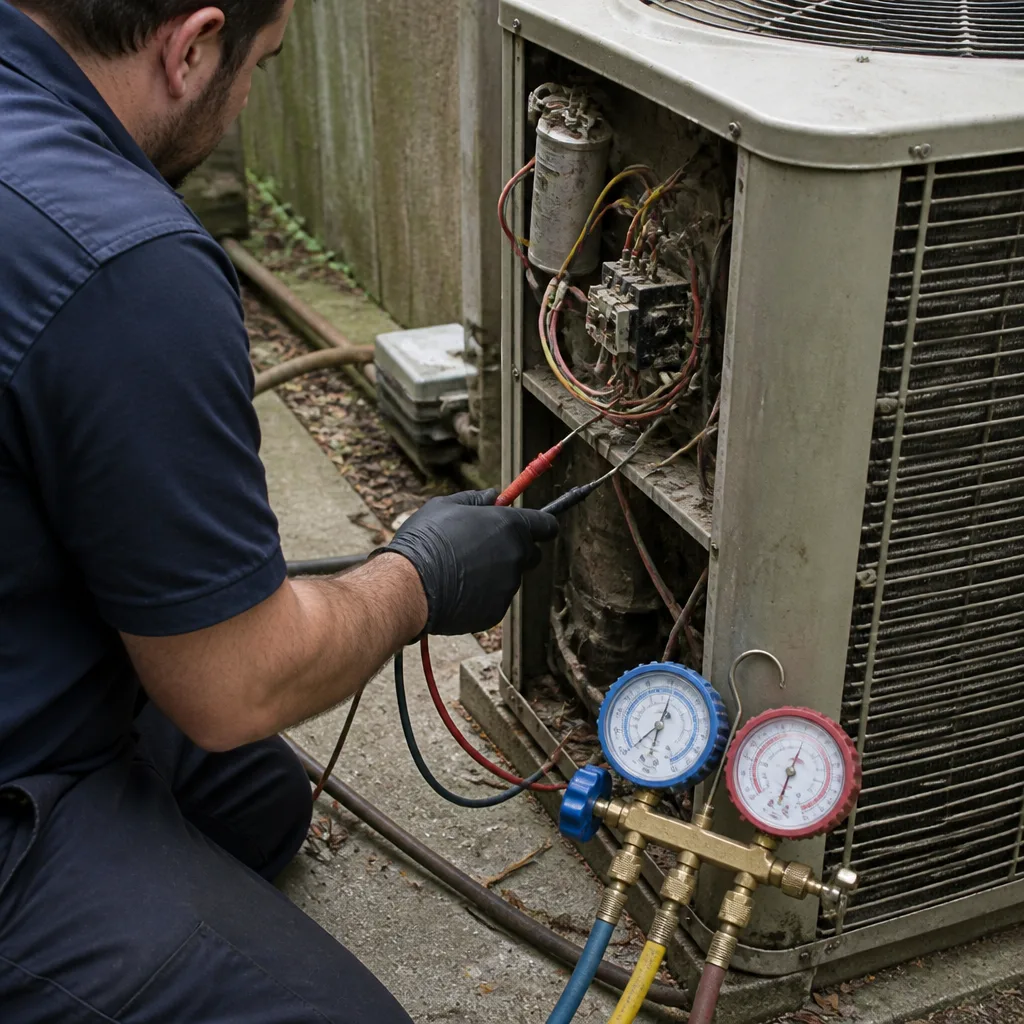 Before
 After
 Before
 After
 Before
 After
When to Call a Professional
Some decisions you can research on your own. Others need a trained eye. Call a professional when your system is failing and you’re not sure whether to repair or replace, when you’re getting conflicting advice about equipment sizing, when you suspect your ductwork is undersized for the cooling you’re asking for, or when you’re choosing a brand and want someone who actually works on all of them to check local parts availability with you. Electrical and refrigerant work carries real hazards, so leave diagnostics and repairs to trained technicians rather than opening panels yourself. Stallion AC Repair offers free estimates in Grand Prairie – call Grand Prairie service at (866) 942-9965. We work on Carrier, Trane, Lennox, Goodman, and five other leading HVAC brands, and we’ll give you a straight repair-or-replace answer.
Frequently Asked Questions
There’s no single best brand. The right choice depends on local parts availability, technician familiarity, and whether the product line fits your home’s load and ductwork. A value-tier brand with strong local support often beats a premium brand with thin distribution. Call (866) 942-9965 for a free estimate tailored to your home.
Ask the contractor who distributes the brand locally, whether common failure parts like control boards and blower motors are stocked or shipped in, and how long a typical part takes to arrive. That five-minute check tells you more than any ranking. We’re glad to walk through it with Grand Prairie homeowners.
Not automatically. Premium equipment performs better only when it’s matched to the right ductwork and load. On undersized ducts, a premium variable-speed unit can underperform a mid-tier single-stage system on properly sized ducts. Match the equipment to the house first, then the brand to your budget.
Because the equipment can only move as much air as the ducts can carry. Undersized ducts create high static pressure and reduce airflow, which hurts comfort and efficiency no matter what brand is installed. Correctly sized ducts let even a basic unit perform well.
Yes, if the contractor is trained across multiple brands. We work on Carrier, Trane, Lennox, Goodman, Rheem, York, Daikin, Bryant, and American Standard, so a single relationship can follow your whole system through installation, repair, and replacement. Call (866) 942-9965 to talk through your equipment.
Common causes include poor installation, skipped product registration, and failure to keep up required maintenance. Labor is typically not covered even when parts are, so ask about those terms before you buy. Our technicians have up to 12 years of experience and can explain the warranty terms for the equipment we install.
The Bottom Line
Brand reputation is mostly marketing. What actually keeps your home comfortable in Grand Prairie is local parts availability, a technician network trained on your equipment, and matching the brand to your home’s size and duct configuration. Premium equipment rewards you when the ducts and load support it; a solid value-tier unit on proper ductwork can beat a fancy one on bad ducts. Check parts availability before you buy, read the warranty exclusions, and keep a multi-brand relationship so one contractor can follow your whole system through its life. That’s the honest path to low long-term ownership cost.
Ready to choose with confidence? Call (866) 942-9965 for a free estimate. We answer 24/7, with fast dispatch from 7am to 7pm, Sunday through Friday.
Written by the team at Stallion AC Repair.