
Last updated November 16, 2026
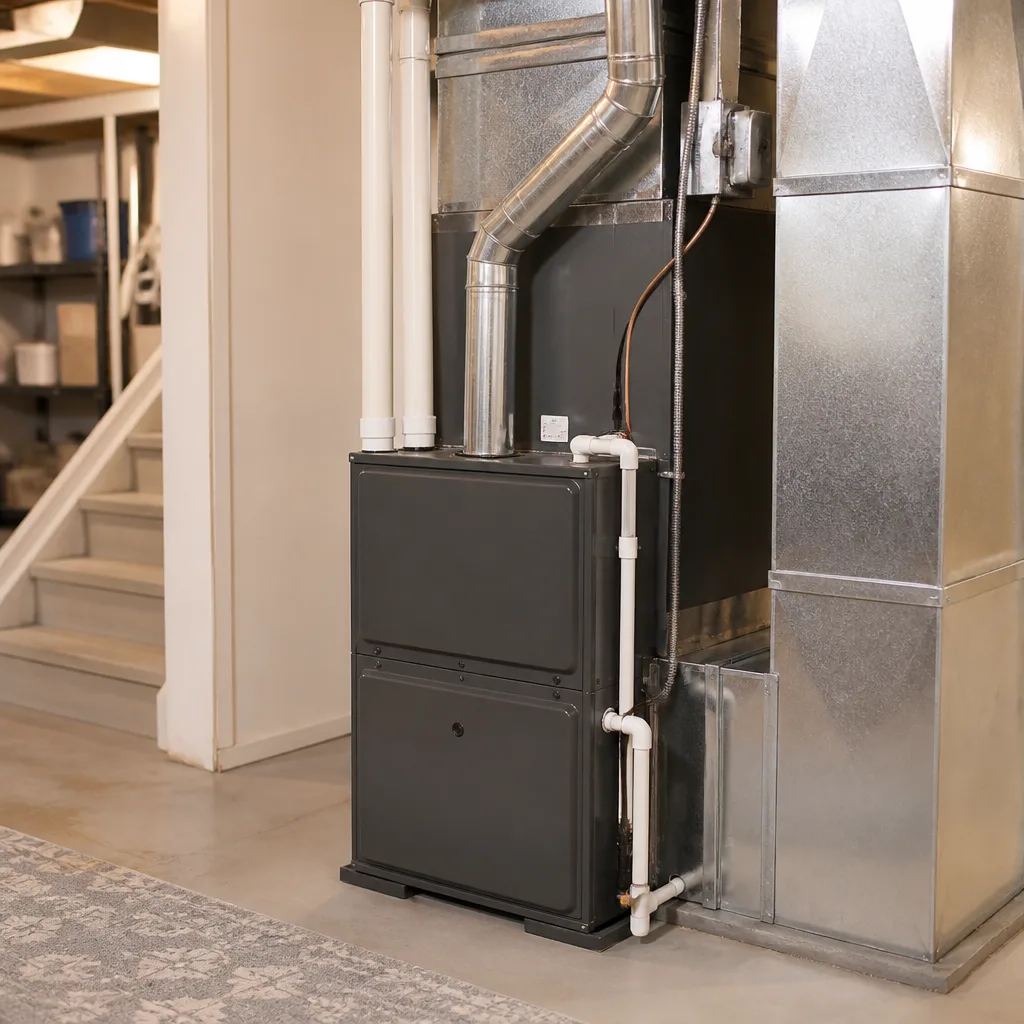 Furnace & heating
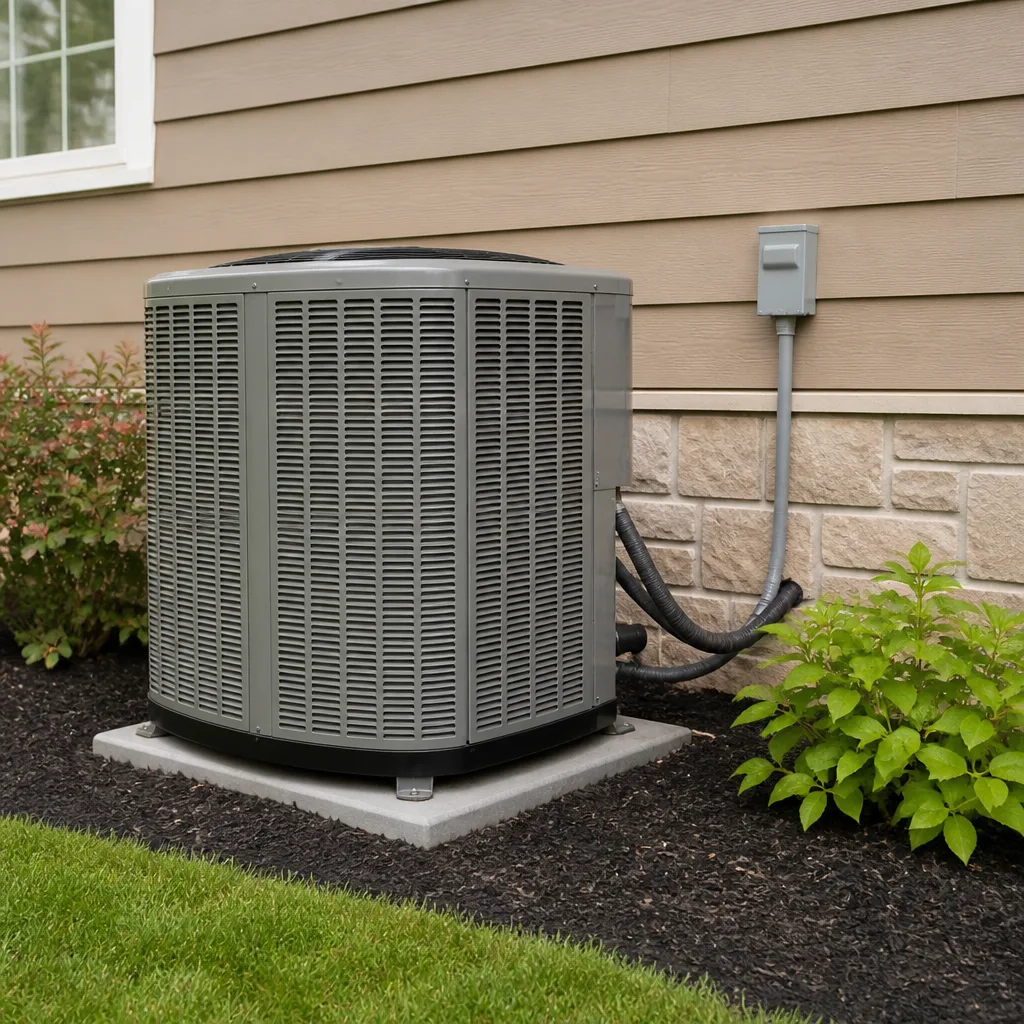 AC repair
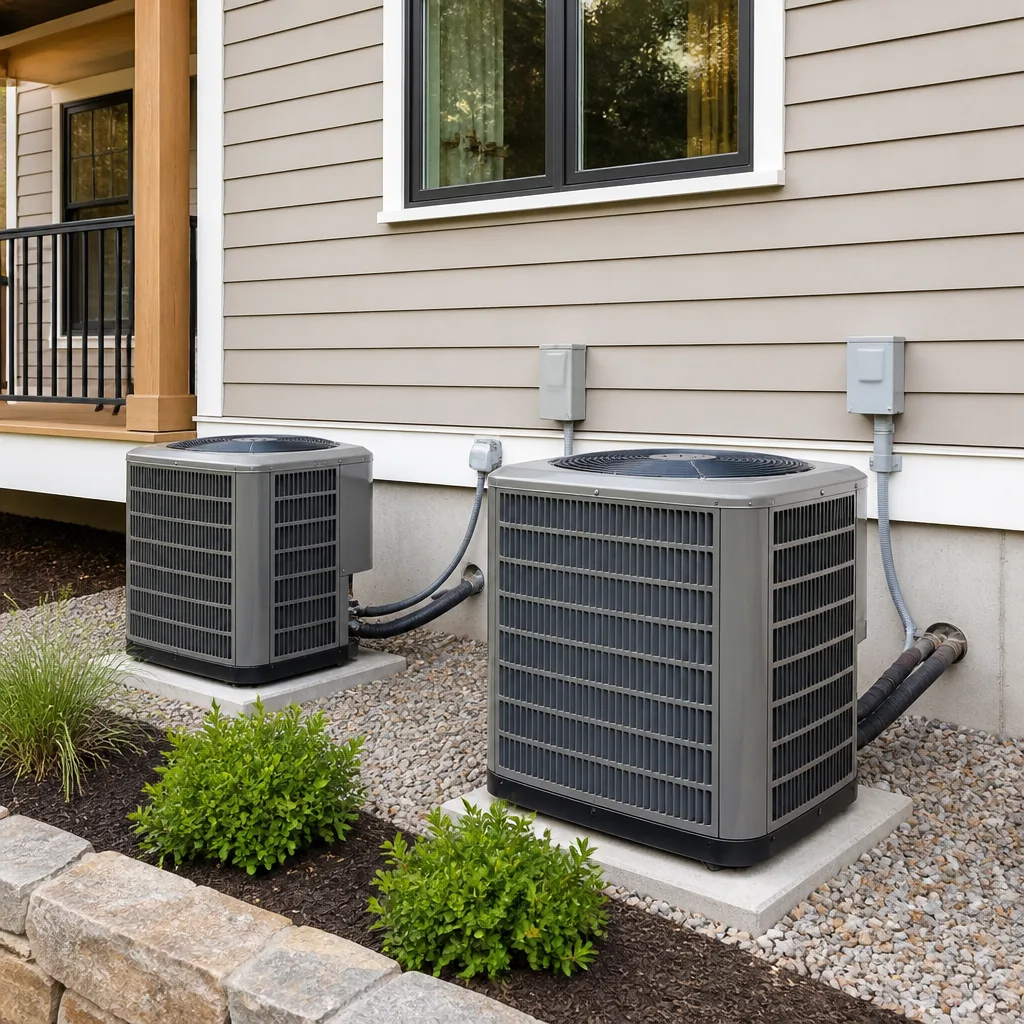 Heat pumps
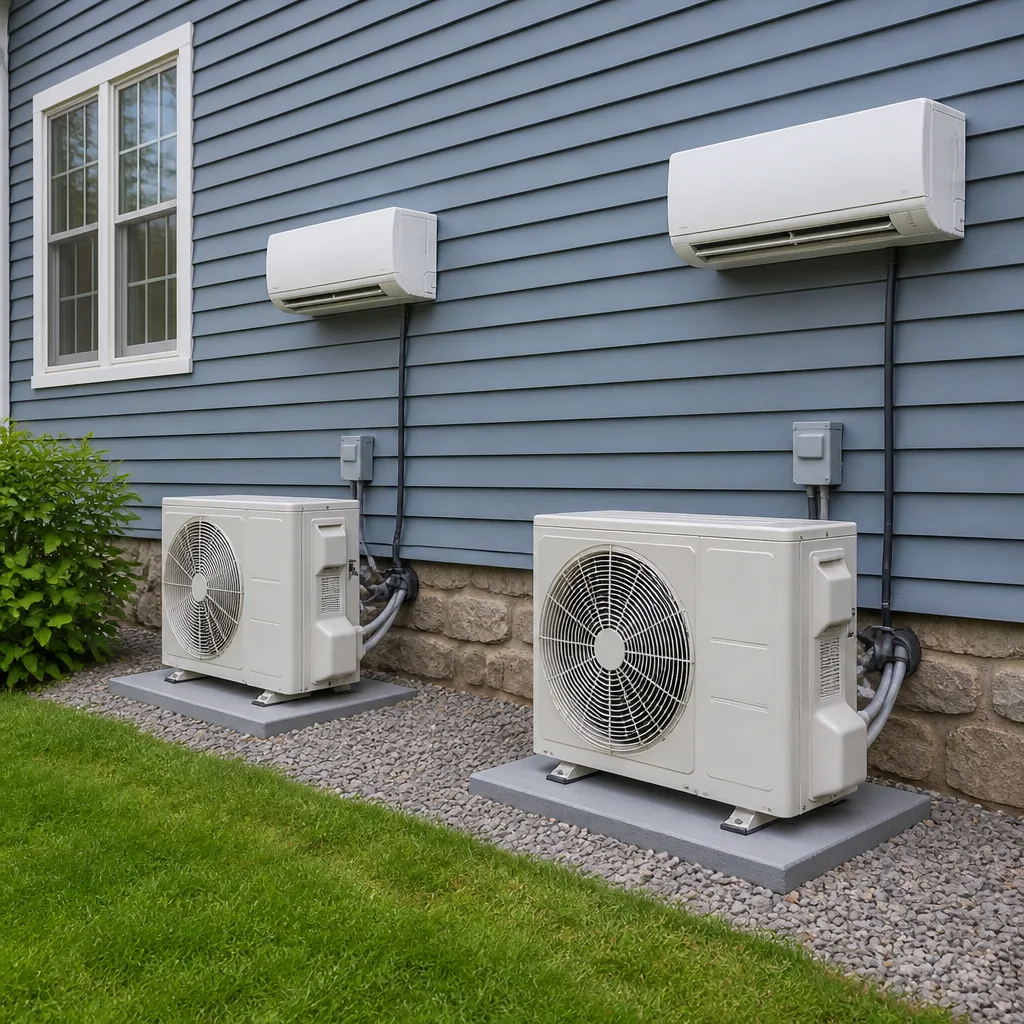 Ductless mini splits
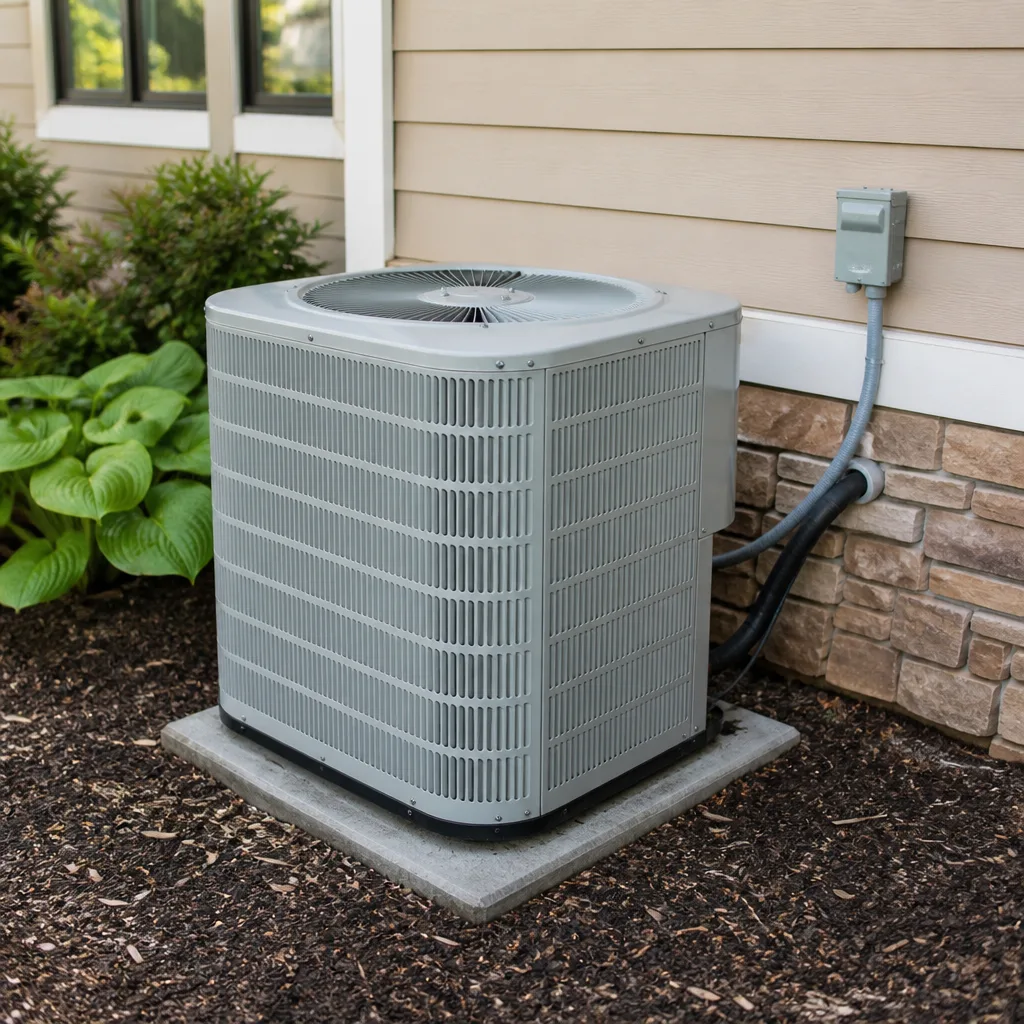 Carrier
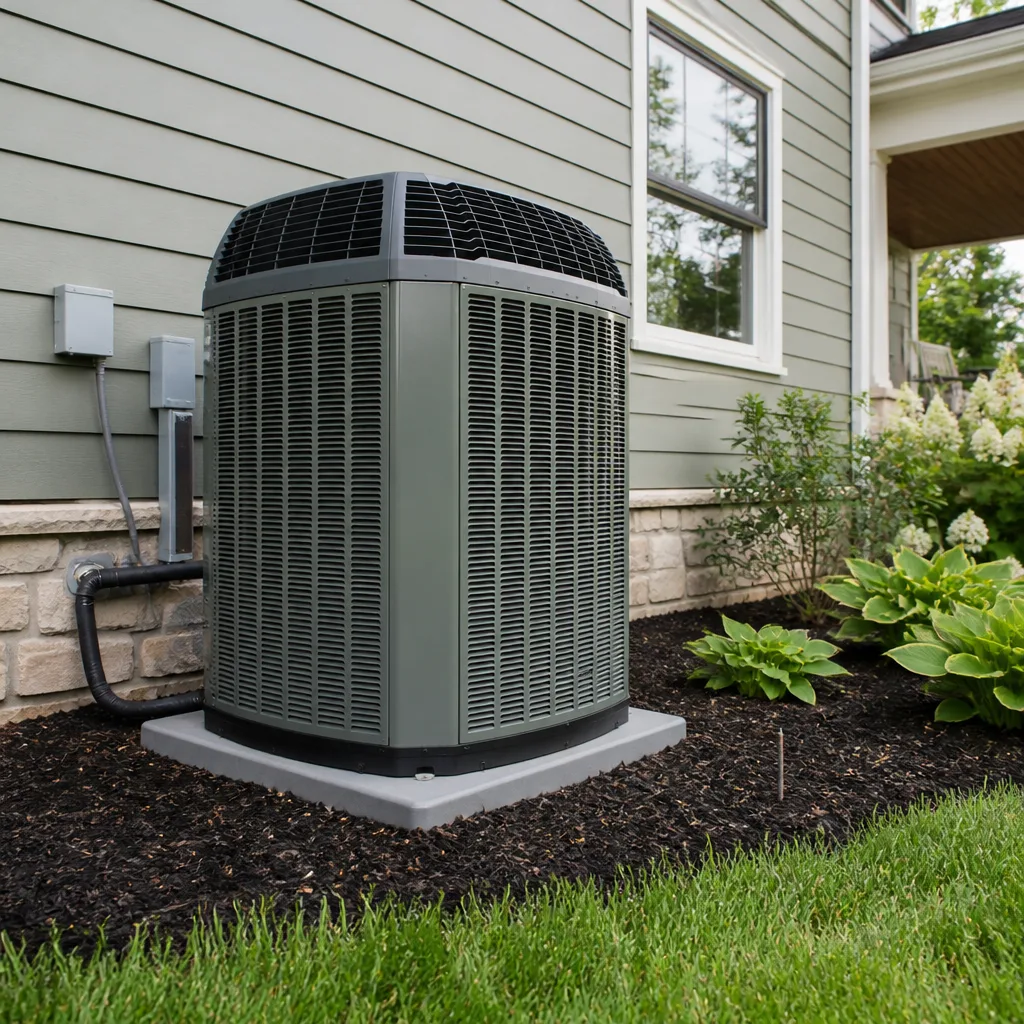 Trane
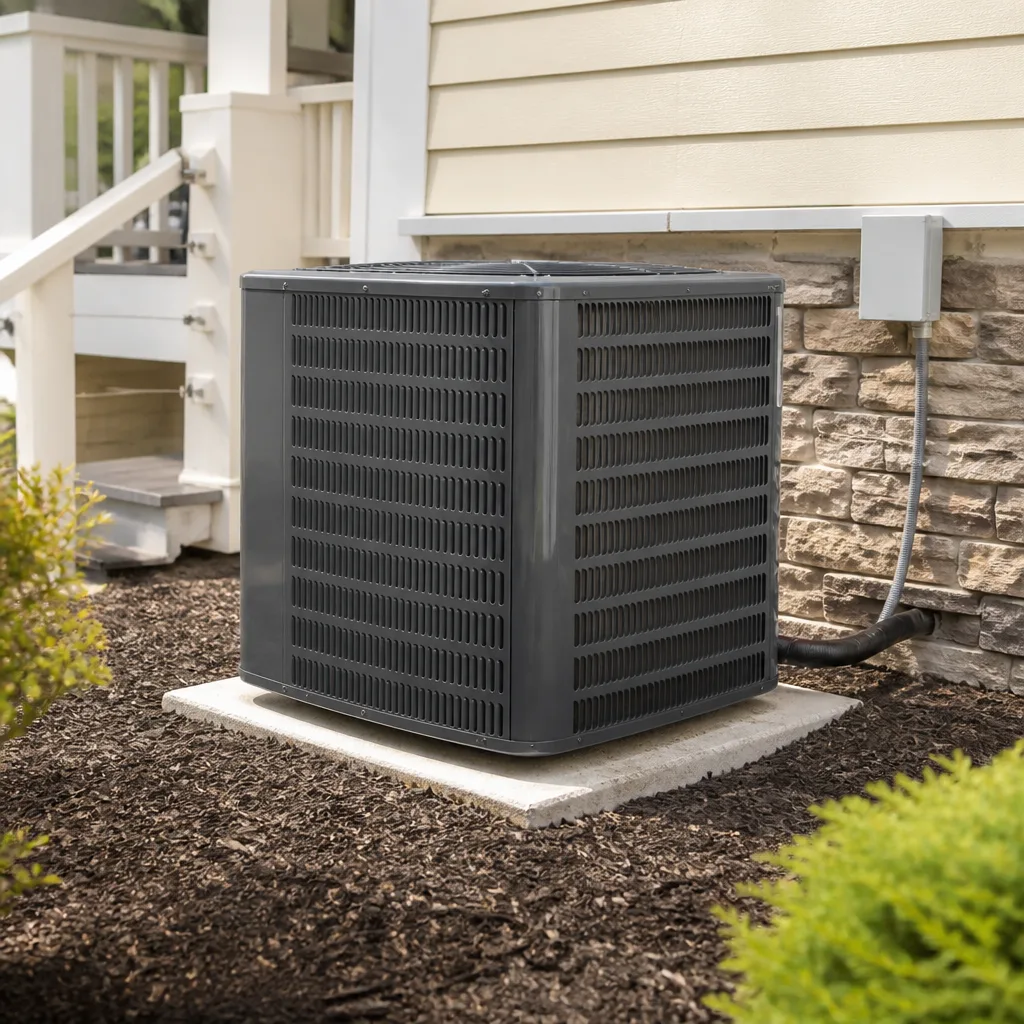 Goodman
Seasonal tune-up and full diagnostic on your Carrier, Trane, or Goodman system - readings shown to you before any repair is proposed
Diagnosis first, numbers second - you approve the repair price before a single part goes in.
Get your free estimateThe Complete Furnace Replacement Guide for Grand Prairie Homeowners
Most furnace buying advice you’ll find online was written for somebody in Minnesota. It assumes months of sub-freezing weather, a system that runs constantly from November to March, and a heating load that justifies spending extra on the highest efficiency equipment money can buy. Grand Prairie doesn’t work that way. Our winters are short and mostly mild, with a handful of hard freezes that remind everyone why the furnace matters. That difference changes almost every recommendation in this guide: the size you need, the efficiency tier that makes financial sense, when to schedule the work, and how to think about brand. By the end, you’ll know how to approach a furnace replacement in Grand Prairie without overpaying for capacity or efficiency your climate will never use.
Quick Answer
A furnace replacement in Grand Prairie usually comes down to three decisions: sizing the unit to your home’s actual heat load (not the old unit’s label), choosing an efficiency tier that matches a short North Texas winter, and timing the work before the first hard freeze rather than during it. Most Grand Prairie homes are well served by a properly sized 80% to 96% AFUE furnace, and the right choice depends more on your ductwork and how long you plan to stay than on brand hype. The written estimate, not a phone quote, sets the final price.
If you want a straight answer on repair versus replace before you commit to anything, call (866) 942-9965. We answer 24/7, and estimates are free.
Styles & brands we work with
- AC repair
- Furnace & heating
- Heat pumps
- Ductless mini splits
- Carrier
- Trane
- Goodman
Table of Contents
- Why Grand Prairie’s Climate Zone Changes the Furnace Conversation
- What AFUE Rating Actually Makes Sense in Grand Prairie?
- How to Size a Furnace for a Grand Prairie Home
- Permits and Inspections: What Grand Prairie Requires
- How Your Ductwork Decides Between a Swap and an Upgrade
- Which Brands Hold Up in the DFW Market
- When to Schedule Your Replacement
- Repair or Replace? How to Decide
Why Grand Prairie’s Climate Zone Changes the Furnace Conversation
Grand Prairie sits in ASHRAE Climate Zone 2A, a hot-humid zone where your furnace typically runs fewer than 2,500 hours a year. That’s the single most important fact in this entire guide, and it’s the one most national buying advice ignores. Guides written for Zone 5 or Zone 6 climates assume a furnace that runs most of the year and a heating bill that dominates your energy budget. In Grand Prairie, heating is the secondary season. Cooling is the main event.
What that means in practice:
- Your furnace is a supporting player. It has to perform well on the handful of cold nights that matter, then sit idle without developing problems.
- The payback math on high-efficiency equipment is different here. A premium-efficiency furnace saves money in proportion to how much you run it. Run it less, and the savings shrink.
- Durability matters more than peak efficiency. A furnace that sits idle for eight months and then gets called into service during a hard freeze needs to start cleanly and hold. That’s a mechanical quality question, not an efficiency one.
- Sizing errors hurt more. An oversized furnace in a mild climate short-cycles constantly, which wears parts and wastes fuel. In a cold climate the same oversizing is masked by constant demand.
This is the lens we use on every replacement assessment in Grand Prairie. It’s not that efficiency is irrelevant. It’s that the efficiency conversation has to be tied to your actual run time, not a national average borrowed from a colder map.
What AFUE Rating Actually Makes Sense in Grand Prairie?
AFUE stands for Annual Fuel Utilization Efficiency. It’s the percentage of fuel energy a furnace converts to heat. An 80% AFUE furnace sends 20% up the flue; a 96% AFUE furnace sends 4%. On paper, higher always looks better. In Grand Prairie’s climate, it rarely pencils out above a certain threshold.
Here’s how the tiers break down for our climate zone:
| Efficiency Tier | AFUE Range | Typical Fit in Grand Prairie |
|---|---|---|
| Standard | 80% – 82% | Good match for mild winters and homes with older venting. Lowest upfront cost. |
| Mid-efficiency | 90% – 95% | The sweet spot for many Grand Prairie homes. Solid efficiency without paying for the top tier. |
| High-efficiency | 96%+ | Rarely pays back in this climate unless the home is large, well sealed, and you plan to stay long term. |
Two things drive the real-world answer. First, high-efficiency furnaces are condensing units, which means they produce condensate and need a drain path plus PVC venting. That can mean additional install work depending on where your furnace sits. Second, your run hours are low. A furnace that runs 2,000 hours a year burning gas saves you very little by moving from 92% to 96% efficiency. The price jump from 80% to 92% is usually easier to justify than the jump from 92% to 98%.
We’ll walk through the math with you before you buy. The right system for your home is the one that matches your budget, your ductwork, and your actual usage, not the one with the biggest number on the box.
How to Size a Furnace for a Grand Prairie Home
Oversizing is the most common mistake in rushed furnace replacements. A technician glances at the old unit’s label, matches the BTU number, and calls it a day. That’s how twenty-year-old sizing errors get baked into new equipment and how a Grand Prairie home ends up with a furnace that heats the house in ten minutes and shuts off for the next forty.
Proper sizing follows a load calculation. That means measuring heat loss from the actual house: square footage, ceiling height, window area, insulation levels, air leakage, and the design temperature for this climate. It’s not a formula you can run off a square-foot chart, and it’s not the same answer for two houses on the same block.
- Measure the conditioned space. Every room, including closets and hallways connected to the system, gets accounted for.
- Assess the envelope. Windows, doors, attic insulation, and how leaky the house feels on a windy day all change the load.
- Compare against the existing unit. If the old furnace looks wildly oversized, that’s a flag worth investigating, not a number to copy.
- Match the blower to the ductwork. A correctly sized furnace with an undersized duct system will still run hot and noisy.
- Document the short-cycle risk. In our climate, an oversized unit runs short bursts, wears out its igniter and inducer faster, and never reaches steady-state efficiency.
If a contractor quotes a replacement without measuring your house or asking about insulation, that’s the sign to slow down. The right size beats the biggest size.
Permits and Inspections: What Grand Prairie Requires
Furnace replacement is permitted work in Grand Prairie and most North Texas cities. A gas appliance swap changes the fuel connection, the venting, and often the electrical supply, so the city wants to see the install before it’s buried behind drywall and ductwork. Municipal rules change, so confirm the current requirement with Grand Prairie’s building department before work starts.
What usually triggers the need for a permit:
- Replacing the furnace itself, even with a same-size unit
- Changing the venting configuration
- Adding or modifying the gas line
- Any change to the electrical circuit serving the unit
Why this matters for your timeline: unpermitted work can create problems when you sell, and it can void portions of the manufacturer’s warranty. The more practical issue in Grand Prairie is scheduling. If the contractor doesn’t know the local permit process, the job stalls at the inspection stage. A straight swap in an existing location is typically fast. A swap that also changes venting type, adds a condensate drain, or moves the unit takes longer and needs the inspection scheduled in advance.
A contractor who handles permits routinely knows how to sequence the work so the install, inspection, and startup happen without leaving you without heat. That’s a Grand Prairie-specific advantage, and it’s worth asking about directly before you sign anything.
How Your Ductwork Decides Between a Swap and an Upgrade
Here’s the question most homeowners never get asked: what shape is your ductwork in? In a straight swap, the new furnace connects to the existing ducts exactly as they are. In a system-wide upgrade, the ducts get reworked alongside the equipment. The right call depends on the age and condition of what’s already there.
Signs your ductwork is dragging down a new furnace:
- Rooms that never got comfortable with the old system and probably won’t with the new one
- Loud, whistling airflow at some registers and weak airflow at others
- Visible flex duct that’s crushed, uninsulated, or sagging in the attic
- Duct runs from an era when houses used fewer, larger supply points
- Any signs of disconnected sections or leaks at joints
If the ducts check out, a straight swap is the smarter spend. New equipment on good ducts gives you reliable heat at a lower price. If the ducts are failing, putting a new furnace on top of them means you’ll spend the money twice: once on the equipment and again when the ductwork finally becomes unavoidable.
In our experience, the honest answer comes from looking, not guessing. That’s why we assess the ducts before we quote the replacement, whether we’re doing furnace repair work or a full replacement. A repairable 15-year-old furnace on good ducts can be worth keeping. A two-year-old furnace on failing ducts is money down the drain.
Which Brands Hold Up in the DFW Market
Brand matters, but not in the way most buying guides suggest. In a short-winter climate, the two factors that matter most for long-term satisfaction are parts availability and technician familiarity. Both are functions of how common a brand is in your local market, not of marketing claims.
We work on Carrier, Trane, Lennox, Goodman, Rheem, York, Daikin, Bryant, and American Standard, and we’ve seen how each one behaves over a full equipment lifecycle in North Texas. A few general observations from that experience:
- Daikin has built a strong local parts and support footprint in the DFW market, and its value-tier equipment has been a solid fit for budget-conscious Grand Prairie homeowners.
- Carrier and Bryant share engineering lineage, so a technician familiar with one is generally comfortable with the other. Both are common in DFW and well supported for parts.
- American Standard tends to hold up well mechanically, and its value-tier lines offer a reasonable middle path.
- Trane and Lennox sit at the premium end. Excellent equipment, but you’re paying for efficiency headroom that a Grand Prairie winter may never use.
The brand conversation is where we earn our keep: we sell what fits your goals, not just what’s convenient. Premium and value-tier are both genuinely available, and a Grand Prairie home can be well served by either when the equipment is sized correctly and installed with the local climate in mind.
When to Schedule Your Replacement
Timing matters more than most homeowners expect. In Grand Prairie, the first hard freeze of the season creates a rush of emergency calls, and a furnace that fails on that night is a furnace nobody can replace until the demand clears. Scheduling the work in the shoulder season (fall, before the cold settles in) is the way to avoid being the person calling on the coldest night of the year.
The sequence we recommend:
- Get the assessment early. If your furnace is over 15 years old or already showing signs of trouble, don’t wait for the first cold snap to look at it.
- Get a written estimate. The number you get on the phone and the number on the written estimate should match. If they don’t, ask why.
- Confirm the install date in writing. Replacement is scheduled work, not same-day work. It’s load-calculated, ordered, and installed on a set date.
- Handle permit timing with the contractor. Ask who pulls the permit and when the inspection gets scheduled.
- Line up any paperwork. If you’re working through a warranty, rebate, or utility program, get the paperwork started before the install.
If your current furnace is down right now and you’re weighing repair against replacement, call us. We answer 24/7, and a call outside dispatch hours gets booked into the next opening, Sunday through Friday, 7am to 7pm.
Repair or Replace? How to Decide
Replacement isn’t always the answer. Some 15-year-old furnaces in Grand Prairie have years of useful life left, and some five-year-old units have duct or sizing problems that make repair pointless. The honest answer depends on the specifics of your house, not a rule of thumb pushed by whoever is quoting the job.
Factors that lean toward repair:
- The furnace is under about 12 years old and the fix is affordable
- The existing ducts are in good shape
- The failure is a single component (igniter, inducer, flame sensor, control board)
- You’re not planning to move soon and the current unit is holding temperature reliably
Factors that lean toward replacement:
- The unit is over 15 years old, or major components (heat exchanger, blower, control board) have started failing in clusters
- Repair costs start to approach the price of a new system
- The existing ducts are failing or undersized and would need rework regardless
- The equipment is unavailable or parts lead times are long for that model
- You want the efficiency and reliability improvements a modern unit offers
In our experience, a brand-specific assessment tells you a lot. Knowing the failure modes and parts history of your Carrier, Bryant, American Standard, or Daikin unit helps us give you a real answer instead of a sales pitch. Repair or replace? We’ll give you a straight answer.
Common Mistakes to Avoid
- Matching the old unit’s BTU number without a load calculation. An oversized furnace from a previous install is a mistake repeated, not a number to preserve. Short cycling and uneven heat follow.
- Assuming the highest AFUE is always the best buy. In a Grand Prairie winter, the savings from 96%+ equipment rarely catch up to the higher upfront cost. Match the tier to your usage.
- Skipping the ductwork assessment. A new furnace on failing ductwork never delivers what it promises. Rework the whole system or accept that the equipment is only as good as what it connects to.
- Letting a contractor skip the permit. Unpermitted work can complicate a sale and complicate warranty coverage. Ask who pulls the permit before work starts.
- Scheduling the replacement on the first hard freeze. In Grand Prairie, that’s the night every other homeowner is calling too. Plan the work in the shoulder season.
- Buying on brand name alone. A well-installed value-tier unit in a Grand Prairie home is often a better use of money than a poorly installed premium unit. Installation quality drives performance more than the logo on the door.
- Ignoring the written estimate. The written estimate sets the final price, so read it carefully, and make sure the scope matches what was discussed. Verbal numbers are not quotes.
See the difference
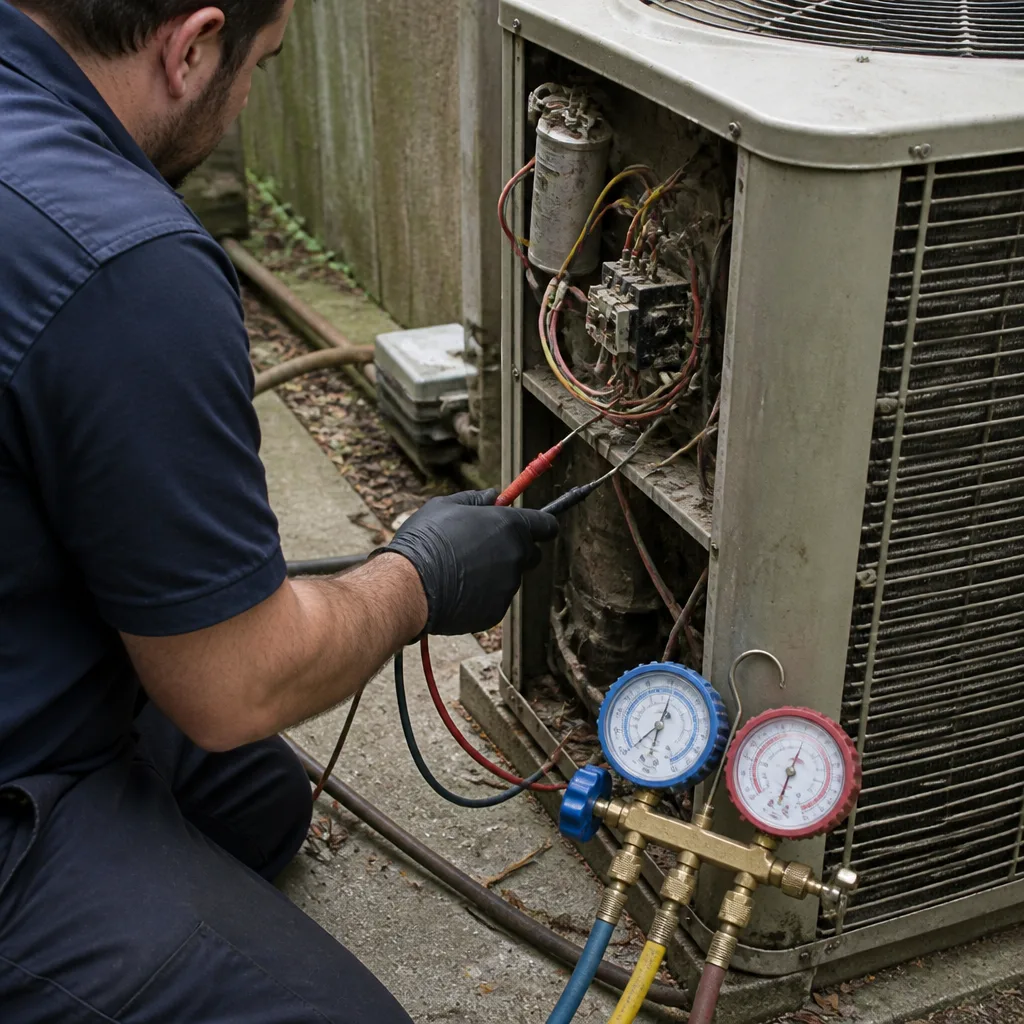 Before
 After
 Before
 After
 Before
 After
When to Call a Professional
Furnace work involves gas connections, venting, electrical supply, and combustion safety. For a homeowner, the boundary is clear: check the filter, clear the area around the unit, and confirm the thermostat is calling for heat. Beyond that, call a licensed professional. Gas leaks and cracked heat exchangers are not DIY projects.
Call us when any of these happens: your furnace won’t ignite, the flame goes out shortly after starting, you smell gas, you hear loud banging or screeching at startup, your carbon monoxide detector goes off, or your heating bill jumped without a usage change. Call us also if you’re staring at a 16-year-old unit and trying to decide whether to repair or replace it. Stallion AC Repair offers free estimates in Grand Prairie, and we’re the team that handles the full equipment lifecycle, from tiny repairs to full replacement. Call (866) 942-9965. We answer 24/7. Fast dispatch from 7am to 7pm, Sunday through Friday.
Frequently Asked Questions
Furnace replacement pricing depends on the unit size, the efficiency tier, whether the ductwork needs rework, and whether venting changes are required. There’s no single number that fits every Grand Prairie home. A written estimate based on a load calculation and a duct assessment is the only accurate quote. Call (866) 942-9965 for a free estimate. Estimates are free and the written estimate sets the final price.
A mid-efficiency furnace in the 90% to 95% range is often the best fit for a Grand Prairie home, because a short North Texas winter rarely justifies the price jump to 96%+ condensing equipment. If your home is large, well sealed, and you plan to stay long term, higher efficiency can make sense. If you’re in a smaller, older home with older venting, an 80% to 82% furnace may be the honest answer. Call (866) 942-9965 and we’ll run the comparison for your house.
Yes, furnace replacement is typically permitted work in Grand Prairie and most North Texas cities, and the rules can change, so confirm with Grand Prairie’s building department before scheduling the job. The permit covers the gas connection, venting, and electrical work. Ask the contractor who pulls the permit and when the inspection is scheduled before work begins. Our team handles the permit sequencing as part of the replacement. Call (866) 942-9965 for details.
A straight swap in the same location is usually a one-day job once the equipment is on site, but the total timeline includes the load calculation, equipment ordering, and permit scheduling. A replacement that changes venting type, adds a condensate drain, or involves duct rework takes longer and needs the inspection scheduled in advance. Plan the job in the shoulder season, not the night of the first freeze.
No. Furnace replacement is scheduled work. The job involves sizing the equipment to your home, ordering the correct model, and coordinating the permit and installation. Same-day service applies to repair calls, not replacements. If your furnace is down right now, call (866) 942-9965 and we can diagnose the problem and get you scheduled for the replacement on the next available install date. We answer 24/7. Fast dispatch from 7am to 7pm, Sunday through Friday.
We work on nine leading HVAC brands: Carrier, Trane, Lennox, Goodman, Rheem, York, Daikin, Bryant, and American Standard. If your home has one of these, a technician familiar with that specific equipment will be the one assessing it. We don’t claim compatibility with brands outside this list. Grand Prairie homeowners who want a straight repair or replace answer can call (866) 942-9965.
The Bottom Line
Furnace replacement in Grand Prairie is a climate-specific decision, and the national guides that dominate the search results don’t reflect it. Size the unit with a load calculation. Pick an efficiency tier that matches a short winter. Look at your ducts before you decide between a swap and an upgrade. Handle permits and inspections through a contractor who knows the local process. Schedule the work in the shoulder season, not the night of the first freeze. And when you weigh repair versus replace, get an assessment grounded in your specific equipment and your specific home, not a generic rule. That’s how you spend the right amount on the right furnace, and it’s the approach we take on every job.
One contractor for your furnace, your AC, and everything in between. We work on AC installation and furnace replacement with one team, one point of contact, and the same brand-specific knowledge whether it’s July or January. Built to perform season after season.
If you’re ready for a real estimate, call (866) 942-9965. We answer 24/7. Fast dispatch from 7am to 7pm, Sunday through Friday. Estimates are free, and the written estimate sets the final price. Our technicians have up to 12 years of experience, and we’ll give you the straight answer on repair or replace.
Written by the team at Stallion AC Repair.