
Last updated November 16, 2026
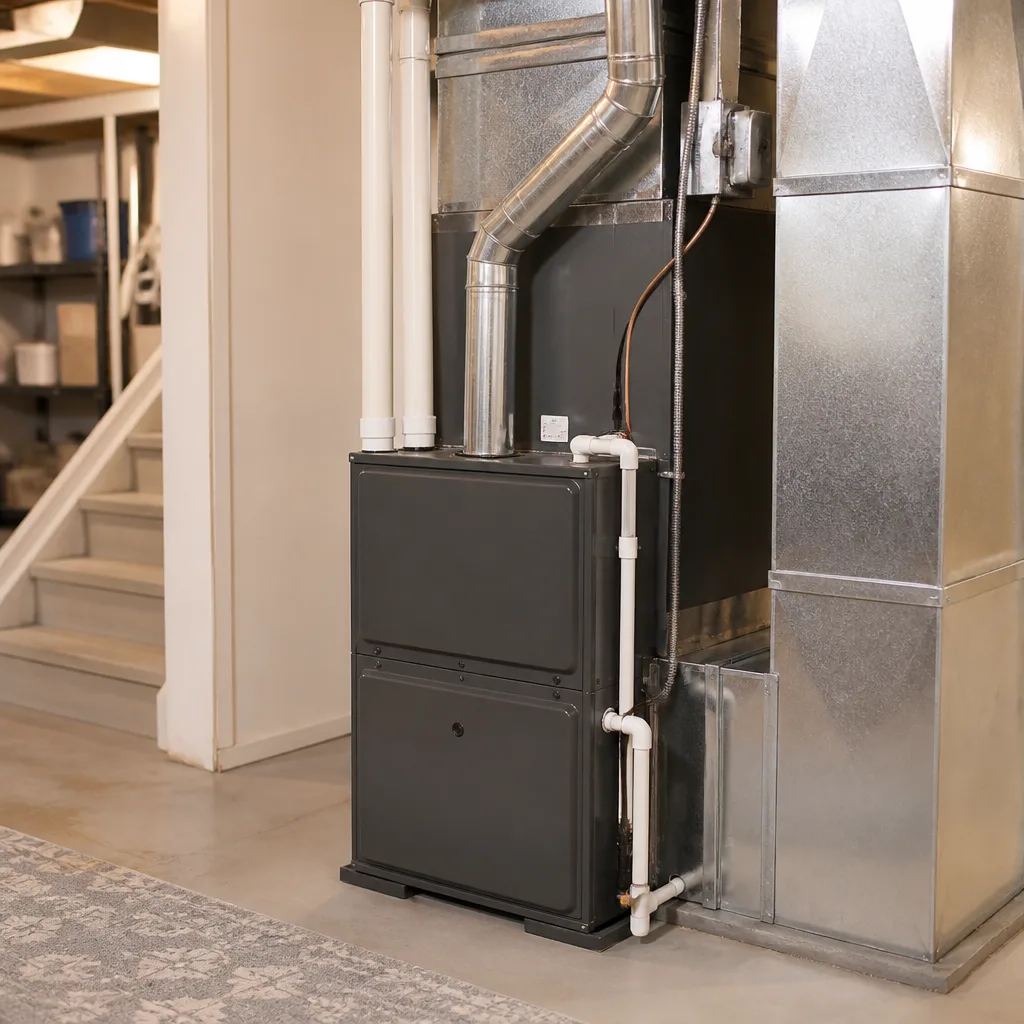 Furnace & heating
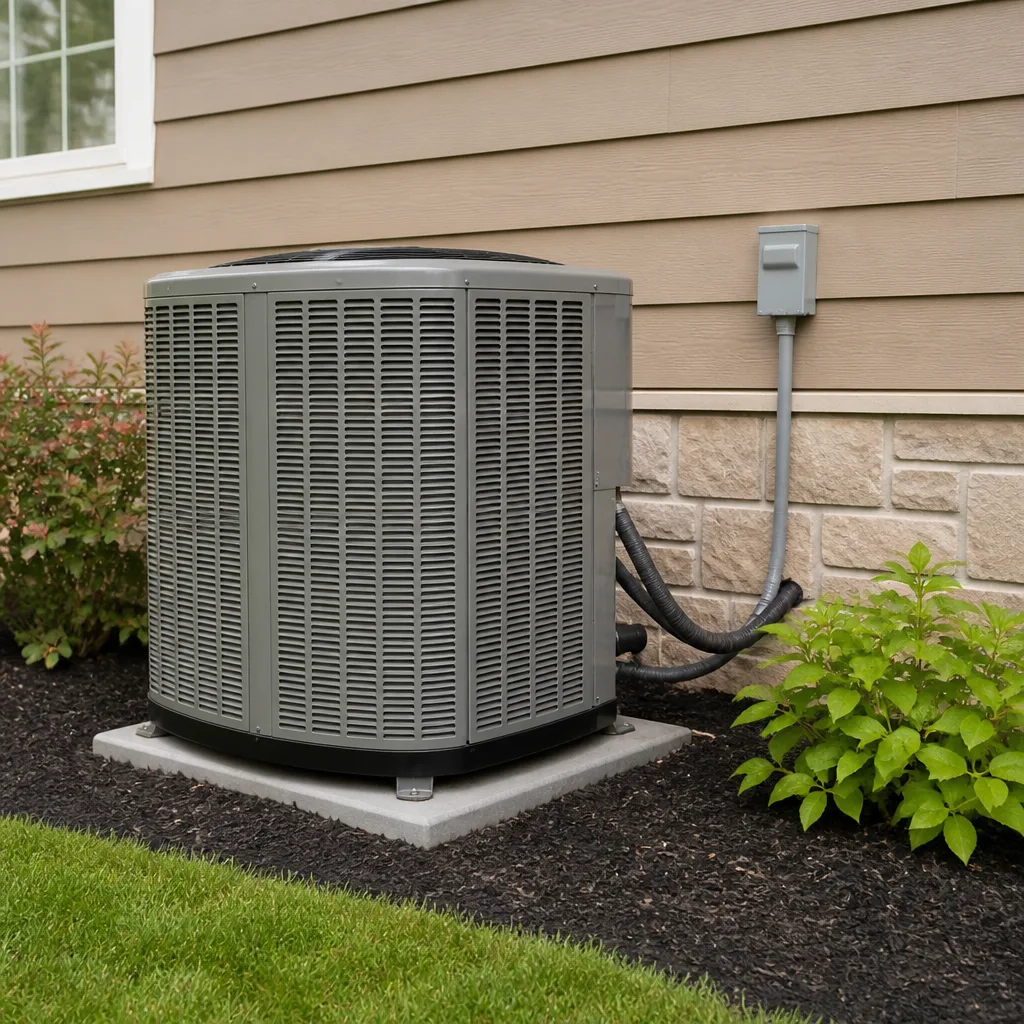 AC repair
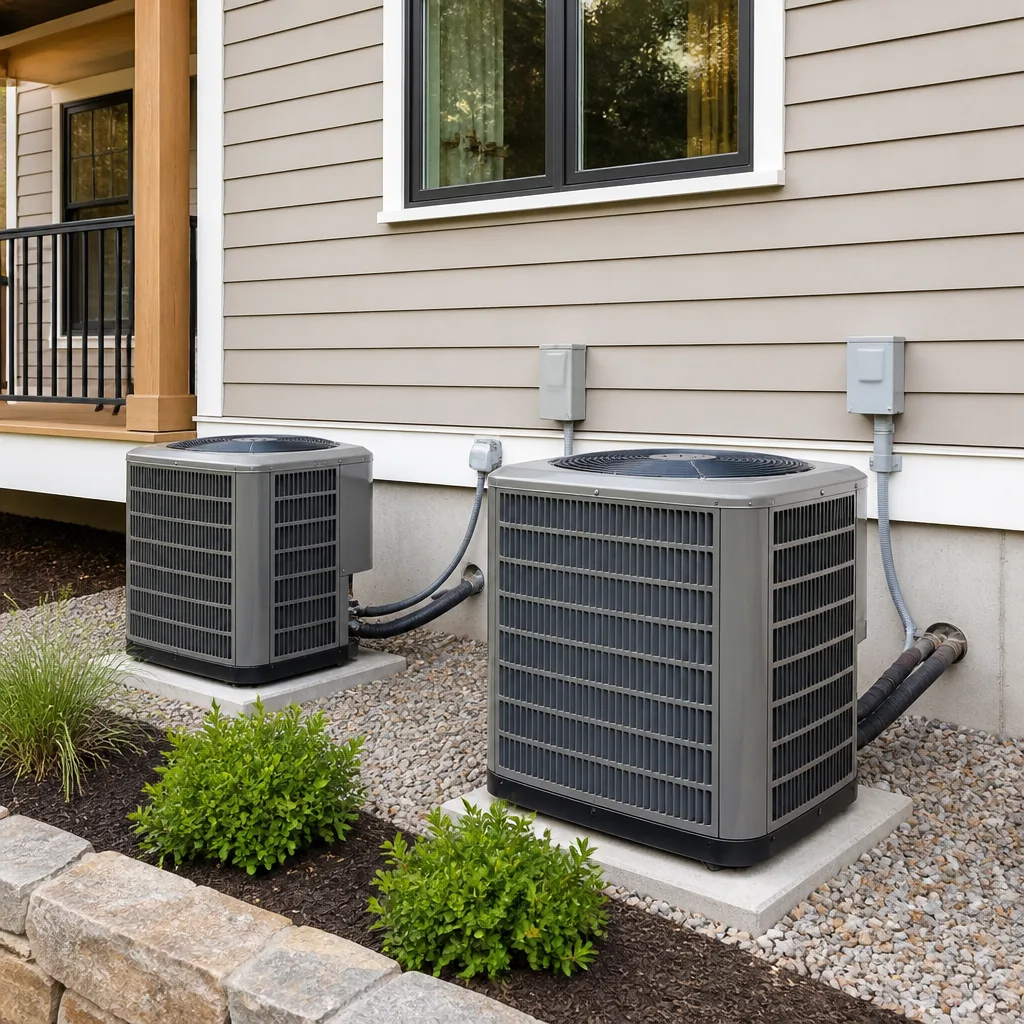 Heat pumps
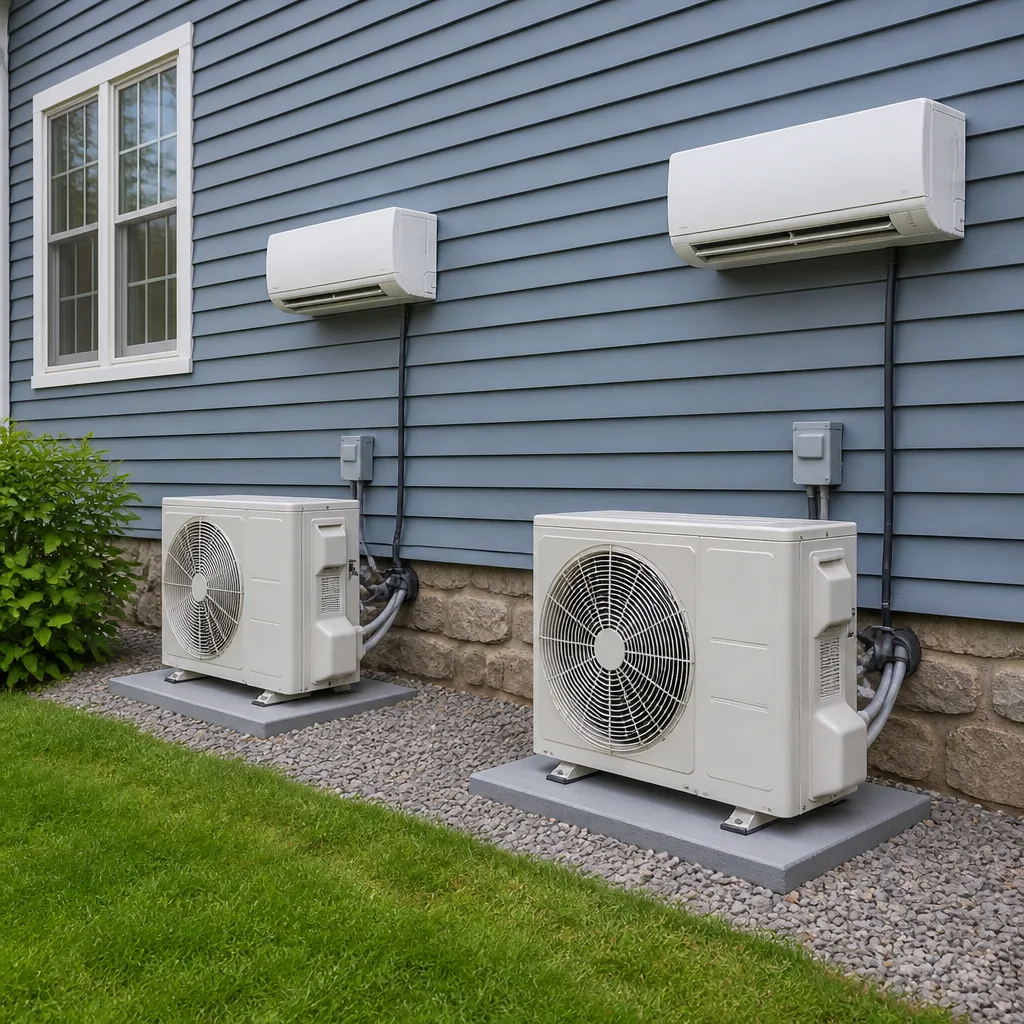 Ductless mini splits
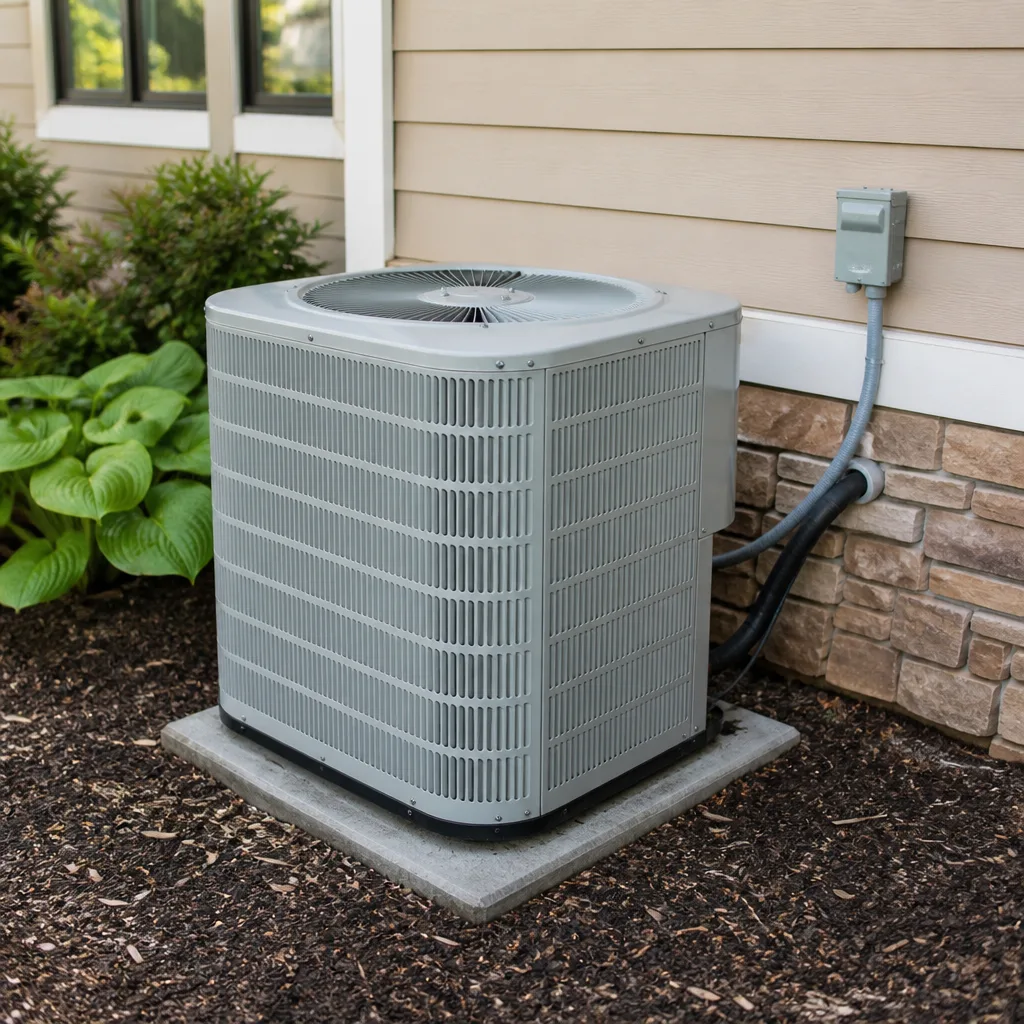 Carrier
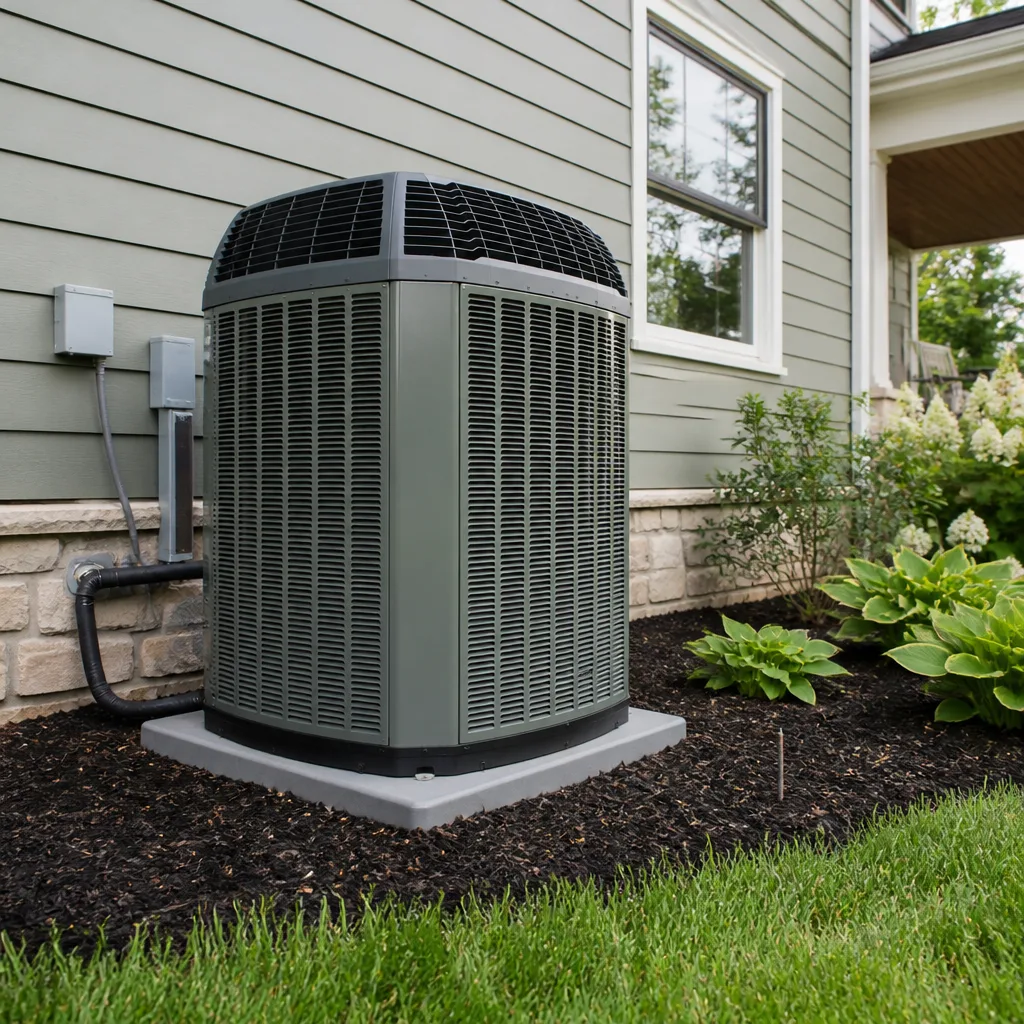 Trane
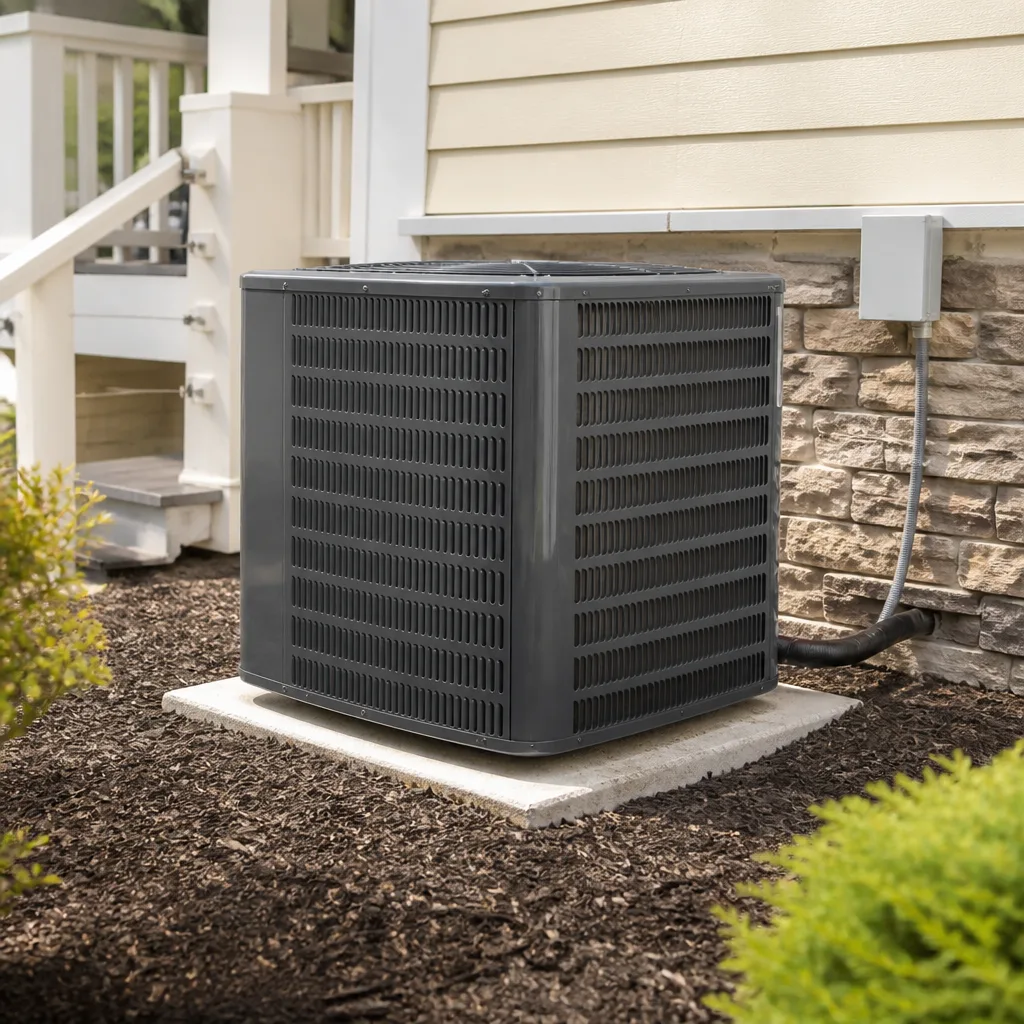 Goodman
Seasonal tune-up and full diagnostic on your Carrier, Trane, or Goodman system - readings shown to you before any repair is proposed
Diagnosis first, numbers second - you approve the repair price before a single part goes in.
Get your free estimateFurnace Replacement Troubleshooting in Grand Prairie: Common Problems and How to Fix Them
A cracked heat exchanger sounds like a death sentence for your furnace, and plenty of contractors will treat it as one. But the right answer depends on the unit’s age, where the crack sits, and what a replacement actually costs compared to a repair. Some cracks are genuinely unsafe and demand a new furnace. Others get flagged on a ten-minute visual pass and quoted as a full replacement before anyone has tested anything. In our experience around Grand Prairie, the gap between a real replacement and a misdiagnosed repair is often thousands of dollars. This guide walks you through the fault codes, the heat exchanger decision, the airflow problems that get blamed on the furnace, and the questions to ask before you sign.
Quick Answer
Most furnace replacement recommendations in Grand Prairie fall into one of two buckets: legitimate ones driven by a failed heat exchanger, an aging unit with repeated failures, or a furnace that’s simply undersized for the house, and premature ones triggered by a diagnostic code the technician didn’t chase or an airflow problem that lives in the ducts, not the box. Before you agree to replacement, get a written diagnostic breakdown, see the failed part yourself, and compare repair cost to replacement cost with the unit’s age in front of you. Anything else is guessing with your money.
Styles & brands we work with
- AC repair
- Furnace & heating
- Heat pumps
- Ductless mini splits
- Carrier
- Trane
- Goodman
Table of Contents
- What Fault Codes Actually Mean on Carrier, Trane, and Lennox Furnaces
- Cracked Heat Exchanger: Repair or Replace?
- Short-Cycling That Isn’t a Furnace Problem
- What to Ask a Technician to Show You Before Replacement
- Post-Replacement Problems in the First 30 Days
- Why Grand Prairie Homes See Specific Furnace Failures
- Repair or Replace: A Straight Framework
- Common Mistakes to Avoid
What Fault Codes Actually Mean on Carrier, Trane, and Lennox Furnaces
Modern furnaces blink their problems at you, and those blinks have precise meanings. The trick is that the same visible symptom lands under different codes across brands, and a code describes what the control board sees, not what’s actually broken. A code that says “pressure switch stuck open” doesn’t mean the pressure switch failed; it usually means the inducer isn’t pulling enough draft, the flue is blocked, or the hose is cracked. Here’s what the flashing light is generally telling you on the major brands we work on, and what technicians should test before anyone says the word “replacement.”
- Carrier codes: Look up the number on the control board. Codes in the 30s usually point to pressure switch or draft issues; codes in the 40s point to the control board’s own limits, ignition lockout, or flame sensing.
- Trane codes: Trane units often run a two-flash sequence for pressure switch faults and a three-flash for high-limit trips. Trane’s high-limit code is the one most often skipped; it can mean a filter left in too long, a partially closed damper, or a blower wheel that’s coated with dust.
- Lennox codes: Lennox boards often differentiate between flame proving failure and flame rollout, and the two require very different diagnoses. Flame rollout means combustion gas went somewhere it shouldn’t; flame proving failure usually means a dirty sensor or a flame that isn’t reaching the burner properly.
- American Standard and Bryant codes: Same family as Trane and Carrier respectively, but the exact flash pattern can differ by model year. Always decode the board, not the internet.
Any of these codes can show up in a Grand Prairie home with a perfectly functional furnace behind them. A code is a starting point. It’s not a verdict. If a technician reads a code, declares the unit dead, and quotes a replacement on the spot, that’s a call to get a second opinion before you commit. Our team at Stallion AC Repair decodes the board, tests the actual component, and gives you a straight answer about whether that code means replacement or a $200 repair.
Cracked Heat Exchanger: Repair or Replace?
A cracked heat exchanger is the single most consequential finding a furnace inspection can turn up. It’s also the finding most prone to being either overstated or missed entirely, because the difference between a hairline crack in a low-stress zone and a full split on the primary drum isn’t always visible without proper inspection. Here’s how to think about it before you agree to a replacement.
Step 1: Understand what the heat exchanger does
The heat exchanger sits between the burners and the air moving through your ducts. Combustion gases stay inside it; your heated air flows around it. If it cracks, those two streams can mix, and carbon monoxide can end up in the living space. That’s a serious safety issue, not a small one, and no guide replaces a proper inspection by a trained technician. Our article on furnace repair covers the basic checkup process.
Step 2: Evaluate by unit age
Age matters more than almost anything else. A furnace under 10 years old with a crack may be repairable or under a manufacturer’s warranty on the heat exchanger. A furnace over 15 to 20 years old with a crack usually tips toward replacement, because the rest of the unit is on borrowed time and the repair cost eats into the value of a system you’ll be replacing anyway.
Step 3: Look at the crack’s location and extent
- Secondary tube cracks: Often smaller and sometimes repairable if access is good and the surrounding metal is sound.
- Primary drum cracks: Larger and typically replacement territory, especially when the crack is near the burner face.
- Full splits or holes: No repair exists; the unit is done.
- Multiple cracks: Repair costs climb past the value of the equipment.
Step 4: Compare repair cost to replacement value
A single small repair on a young furnace is worth doing. A heat exchanger swap on an older unit usually costs enough that a new furnace from a brand like Carrier, Bryant, or American Standard makes better sense per year of service. Both paths are legitimate; the question is which one leaves you with a furnace that’s going to keep working for the next decade.
Short-Cycling That Isn’t a Furnace Problem
Short-cycling is the furnace version of a car engine cutting out at speed. The unit fires, heats for a few minutes, shuts off, then fires again a few minutes later. It’s exhausting to listen to and it wears the equipment down. What surprises plenty of Grand Prairie homeowners is that the furnace is often functioning correctly while the system around it is choking it.
Here’s what usually gets missed:
- Undersized or blocked return air. The furnace needs a specific cubic feet per minute of airflow. If the return duct is too small or the filter is restricted, the unit hits its high-limit switch and shuts off to protect itself. The limit is doing its job; the duct is the problem.
- Closed or blocked supply registers. A few registers closed in unused rooms can push static pressure high enough to trip the high limit. Open them and see if the cycling stops.
- Dirty blower wheel. The blower pulls less air than it should, which in turn makes the heat exchanger run hotter than designed. Cleaning is a repair, not a replacement.
- Oversized furnace. A furnace installed larger than the home’s heat load can’t modulate down far enough and cycles on short runs. This is a sizing decision made at the previous install, not a fault of the current unit, but it does mean a properly sized replacement is the real fix.
Replacing a furnace because it short-cycles, without diagnosing why, is one of the most expensive mistakes we see. If the ductwork or the return air is the actual problem, a new furnace inherits the same issue and cycles exactly the same way. In our experience, a good airflow measurement and duct inspection is the step that separates a repair from a replacement.
What to Ask a Technician to Show You Before Replacement
You’re not obligated to accept a replacement recommendation on faith. A professional will welcome the questions, and someone who won’t answer them is telling you something important. Here’s the short list of what to request, in order, before you sign off on a new furnace.
- The diagnostics printout or full fault-code history. Not one code in passing, but the full sequence. If the control board has stored multiple codes over time, that’s data.
- The failed component itself. Have them show you the cracked heat exchanger, the burned control board, the seized inducer, or the scorched ignitor. If it’s a heat exchanger, ask for a scope or camera image of the crack if access is limited.
- The airflow and static pressure reading. If the recommendation is driven by short-cycling or high-limit trips, a static pressure reading tells you whether the duct is the issue.
- A written estimate broken out by component. Equipment, labor, permits (if required in your city), and any modifications should be line items. A single number is not an estimate; it’s a pitch.
- A clear repair-versus-replace comparison. Ask the technician to price the repair alongside the replacement so you can see the gap. If they can’t or won’t, that’s a warning sign.
- The brand and model of the proposed replacement. A quality install starts with a furnace sized to the house. Ask how they’re figuring the heat load.
If any of these questions gets you a hard pitch instead of an explanation, walk. Our technicians work on Daikin, Carrier, Bryant, American Standard, and five other leading brands, and we’ve never needed to dodge a question to sell a replacement. Straight answers, every time.
Post-Replacement Problems in the First 30 Days
Even a well-installed furnace can throw a curve in the first month. The issues that come up are usually specific, and almost always traceable to something done or not done on install day. Recognizing them early keeps small problems from becoming expensive ones.
Wrong sizing
An oversized furnace heats too quickly, hits the thermostat setpoint, and short-cycles the same way the old unit did. An undersized unit runs nonstop on cold nights and never quite catches up. Both are sizing errors, and both show up in the first weeks of heating season, not the first hour. If your new furnace is cycling hard, the first thing to check is the heat load calculation on the install paperwork.
Old duct connections
New furnaces almost never line up perfectly with old ductwork, and the transition is where leaks and disconnects happen. You’ll notice it as a cold room that wasn’t cold before, or a whistling sound near the plenum. A sealed transition should have been part of the install; if it wasn’t, that’s a warranty conversation.
Refrigerant line issues on combo systems
If your new furnace sits next to a cooling coil, the lineset and coil connections get disturbed during the swap. Refrigerant leaks or a slow loss of cooling capacity in the first month are worth a callback. It’s not the furnace; it’s the joint between the furnace install and the AC side. This is exactly why having one contractor for heating and cooling pays off.
Condensate drain problems on high-efficiency units
High-efficiency furnaces produce condensate, and the drain trap and line have to slope correctly. A trap that’s installed backward or a line that sags will produce a water leak that shows up in the first week of running. Callback, not replacement.
Thermostat configuration
New furnaces often need a thermostat configured for the new equipment’s staging, fan speeds, and cycle rate. A furnace that runs too long or too short on a brand-new install is often a thermostat setting, not a mechanical problem.
If a Grand Prairie homeowner calls us within the first 30 days because the new furnace isn’t behaving, we treat it as a service call on the install, not a mystery. Thermostat settings, duct connections, and drain slopes get checked first before anyone blames the equipment.
Why Grand Prairie Homes See Specific Furnace Failures
Grand Prairie sits in a stretch of North Texas where the heating season is short but real, with occasional hard cold snaps that push a furnace harder in one week than it runs in the other three months combined. That pattern explains a few local failure modes:
- Ignitors that sit idle for months then fail. Silicon nitride ignitors and hot surface ignitors age in cycles. In a Grand Prairie home, a furnace can sit dormant much of the year and then demand ignition dozens of times in a cold week. The ignitor that worked last winter can fail on the first cold morning of this one. It’s a common reason a furnace “won’t start” but the unit itself is fine.
- Dust-laden blower wheels. Longer cooling seasons mean the blower runs more hours on the AC side than a northern house ever sees. That airflow pulls dust, and the wheel gradually coats. A coated blower wheel reduces airflow, which trips high limits, which gets misdiagnosed as a failing furnace.
- Combustion air restrictions that worsen over the dry season. Attic and closet installs common in Grand Prairie housing are sensitive to nearby storage and lint. A furnace squeezed into a closet can pull restricted combustion air and fault on draft.
- Oversized equipment from previous installs. Sizing shortcuts happen everywhere, but they show up fast in a climate where an oversized furnace only has to run a few minutes to hit the setpoint. That’s a sizing conversation, not a brand problem.
Homes in neighborhoods around Grand Prairie, from older construction near downtown to newer subdivisions on the edges of the city, tend to share a few traits: attic or closet furnace locations, tight return duct sizing, and equipment that’s often 15-plus years old. None of those guarantee a replacement. All of them make proper diagnosis essential. Our Grand Prairie service page goes into what we see on the ground.
Repair or Replace: A Straight Framework
Here’s the framework we use with every customer, and it works in almost any Grand Prairie home independent of brand:
- How old is the furnace? Under 10 years, lean toward repair unless the heat exchanger is badly cracked or the repair cost exceeds half the price of a new unit. Over 15 years, replacement usually wins.
- What’s the repair? A $200 ignitor on a 15-year-old furnace is worth doing. A $1,200 heat exchanger on the same unit probably isn’t.
- How often has it failed? Two repairs in two years is a pattern. Three repairs in three years is a decision.
- Is the size right? If the furnace has been short-cycling since it was installed and the ductwork can’t be fixed cheaply, replacement with correct sizing is the actual fix.
- What’s the efficiency gap? An older 80% furnace vs. a modern high-efficiency unit has a real operating cost difference across years of service. Run the numbers, but don’t let a salesperson run them for you.
We price the repair alongside the replacement so you can see both sides. Repair or replace? We’ll give you a straight answer, grounded in the actual unit in front of us, not the ticket size on the invoice. And if a repair is the right call, we’ll say so even when a replacement would pay us more.
For homes that need new cooling equipment alongside the furnace decision, AC installation is a single-visit conversation, since combo systems need both sides sized together.
Common Mistakes to Avoid
- Accepting a replacement quote based on one fault code. A code is a symptom. Any technician who reads a single code and stops investigating is skipping diagnosis. Ask for the component test results before you sign.
- Not getting the repair priced alongside the replacement. A written estimate that only lists replacement is a quote, not a recommendation. Insist on seeing both numbers.
- Replacing a furnace that’s failing on airflow, not heat. Short-cycling driven by duct design doesn’t get fixed by new equipment. It gets fixed by new ducts, or by correct sizing on the new unit. If the technician doesn’t measure static pressure, the diagnosis is incomplete.
- Choosing a brand because it’s what the contractor stocks. Premium brands like Carrier, Trane, and Lennox have real strengths, and value-tier options like Goodman get the job done. Ask why a given model fits your home and budget, not just what’s easy to install.
- Skipping the heat load calculation. A furnace sized by square footage alone is a guess. Ask to see the load calculation on paper, especially in a home where the previous furnace short-cycled.
- Not checking whether the existing ductwork matches the new furnace. Furnaces deliver specific airflow, and ducts sized for an old unit may not fit a newer one. Ask about airflow compatibility before install day.
- Forgetting to check whether the install includes proper commissioning. A new furnace should be tested on startup for gas pressure, temperature rise, static pressure, and combustion. If those readings aren’t in the handover, ask for them.
See the difference
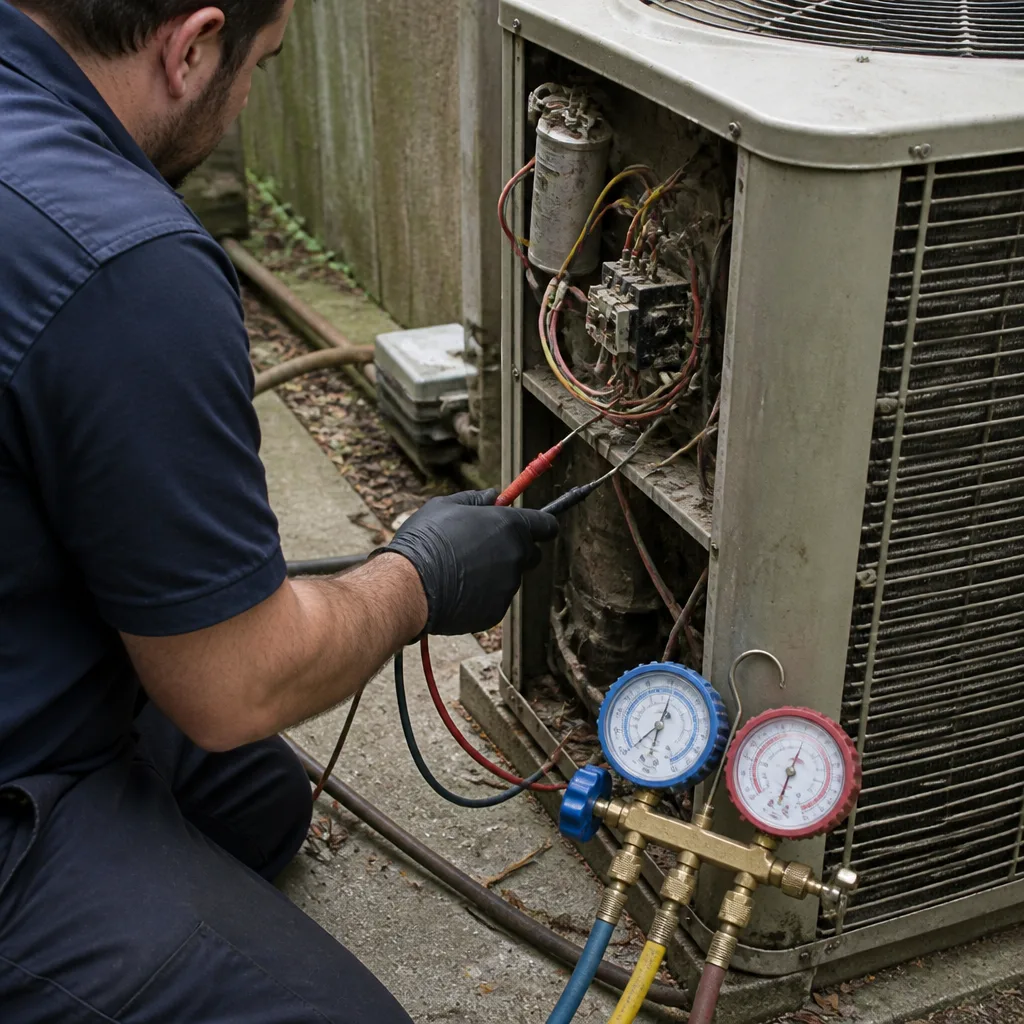 Before
 After
 Before
 After
 Before
 After
When to Call a Professional
Some issues need a trained technician, full stop. If your carbon monoxide alarm has sounded, if you smell gas, if the furnace has visible flame rollout or a burning smell, or if you’ve seen a cracked heat exchanger, shut the unit down and call. The same applies to any fault code you can’t safely trace, any ignition failure that repeats, and any short-cycling that doesn’t resolve with a fresh filter and open registers. Beyond safety, the diagnosis matters: if a technician quotes a full replacement, you want a second opinion before committing thousands of dollars. Stallion AC Repair offers free estimates across Grand Prairie. Call (866) 942-9965. We answer 24/7. Fast dispatch from 7am to 7pm, Sunday through Friday. Our technicians have up to 12 years of experience, work on equipment from nine leading brands, and carry a written estimate for every job.
Frequently Asked Questions
You know replacement is the right call when the repair cost approaches half the price of a new unit, the furnace is over 15 years old, the heat exchanger has a crack in a primary zone, or the unit has failed repeatedly across multiple seasons. A young furnace with a single failed part is almost always a repair. Any honest technician will price both options and let you decide with the numbers in front of you. Call (866) 942-9965 for a free estimate that includes both.
No. Some cracks, especially small ones in secondary tubes on a young furnace, can be repaired, though that’s a decision for an experienced technician after a proper inspection. Primary drum cracks, multiple cracks, or any crack on an aging unit almost always mean replacement. Carbon monoxide risk is real, so a cracked heat exchanger should never be left without a professional’s evaluation. If you’re unsure, get a second opinion before you commit to a new furnace. Call (866) 942-9965.
Short-cycling on a new furnace almost always traces back to sizing, duct connection, or thermostat configuration, not a defective unit. An oversized furnace heats too fast, a disconnected duct transition creates pressure imbalance, and a thermostat set for the wrong cycle rate makes the unit cycle on the wrong logic. Call the installer back and describe the pattern. A call within 30 days should be treated as a service call on the install, not a mystery. Call (866) 942-9965.
We work on Carrier, Trane, Lennox, Goodman, Rheem, York, Daikin, Bryant, and American Standard. That covers the majority of equipment in Grand Prairie homes and lets us diagnose your specific model’s fault codes accurately instead of guessing. Knowing the brand before arrival means faster diagnosis and a straight answer, whether it’s repair or replacement. Call (866) 942-9965.
The price depends on the furnace’s size, efficiency level, brand, and whether duct or venting modifications are needed. We don’t quote ranges over the phone because they aren’t accurate without a heat load calculation, and any quote that doesn’t include one is a guess. The written estimate you receive sets the final price, with the estimate free and upfront. Call (866) 942-9965 to schedule.
Yes, we offer same-day service when the schedule allows, and we answer 24/7. Fast dispatch from 7am to 7pm, Sunday through Friday. If your furnace has failed and temperatures are dropping, treat it as urgent. Call (866) 942-9965 and describe the symptom, the fault code if you can see one, and the age of the unit.
The Bottom Line
Most Grand Prairie furnace replacement recommendations are honest, and some aren’t. The difference is whether a technician diagnosed the actual failure, measured airflow, priced repair against replacement, and showed you the failed component before quoting a new unit. A cracked heat exchanger isn’t always a death sentence; short-cycling often isn’t a furnace problem; and a fault code is a clue, not a conclusion. On any replacement decision, demand the diagnostics, ask for the repair price alongside it, and get the installation sized correctly. If the answers hold up, you’ve got your replacement. If they don’t, you’ve got your money back in your pocket. Call Stallion AC Repair at (866) 942-9965 for a free estimate. One contractor for your furnace, your AC, and everything in between, built to perform season after season.
Written by the team at Stallion AC Repair.